
Flowers
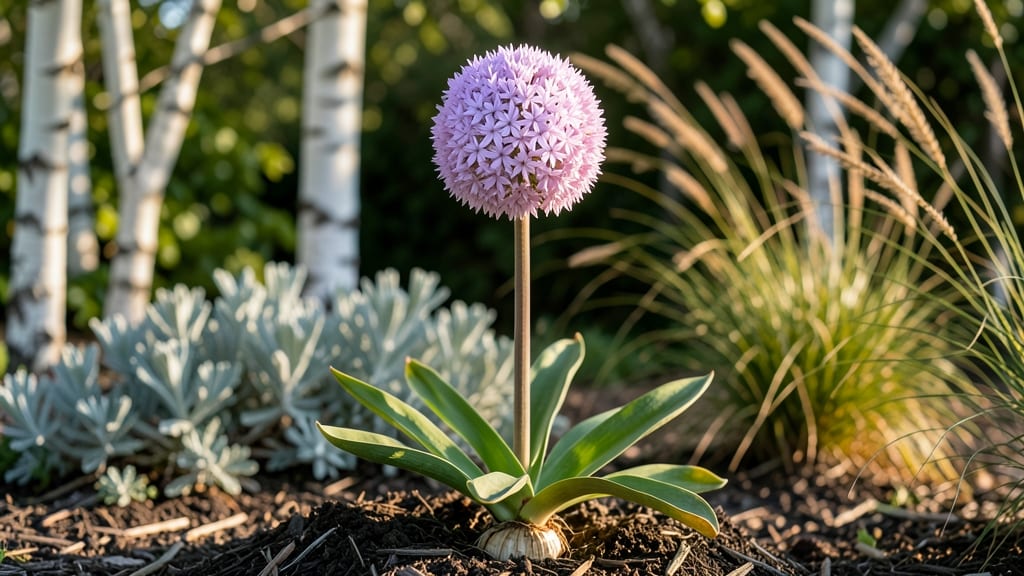
The allium flower bloom time depends on your USDA zone and the variety you’re growing, but most gardeners in Zone 6a can expect those iconic purple globes to appear between late April and early June—a window that shifts dramatically with climate and planting strategy.
If you’ve ever waited eagerly for those dramatic purple globes of allium flowers to appear—only to be left wondering why they bloom late in some years—this guide will finally give you the answers. The key? Timing your planting window (fall vs. spring) and knowing which varieties thrive in your microclimate.
For example, Allium giganteum often blooms 2–3 weeks earlier than Allium moly, while Zone 9 gardeners might spot winter blooms where others see nothing. Below, I break down the exact months to expect spikes in your area, plus how to nudge blooms earlier or later with simple adjustments.
You’ll leave here with a customized bloom calendar for your zone, plus the top three mistakes that delay (or cancel) those showstopping flowers—so you can plan your garden layout with confidence and enjoy alliums at their peak.
Allium flower bloom time by USDA Zone: when to expect purple spikes
Timing your garden for allium blooms can feel like a guessing game—especially when Allium giganteum's towering purple globes appear in late May in Zone 5 but January in Zone 9. The secret? Understanding how USDA zones and variety-specific traits create these wild swings in bloom windows.
Whether you're planning a spring garden or chasing winter color, knowing your zone's typical bloom calendar lets you strategize for the longest display.
Most alliums follow predictable seasonal patterns, but climate exceptions like Zone 9's mild winters or Zone 4's short summers can shift timelines dramatically.
For example, Allium moly (the golden garlic flower) blooms in March-April across most zones, but in Zone 10, it may stretch into February or May depending on rainfall. The key is matching your planting schedule to your zone's frost dates and temperature extremes.
🌷
| USDA Zone | Popular Varieties | Typical Bloom Window | Climate Notes |
|---|---|---|---|
| 3-4 | Allium cristophii, Allium schubertii | Late May - Early July | Short season; plant bulbs in fall for early blooms |
| 5-6 | Allium giganteum, Allium moly | Mid-May - Late June | Reliable blooms; spring-planted bulbs may flower earlier |
| 7-8 | Allium sphaerocephalon, Allium roseum | April - June (staggered) | Longer season; fall planting extends blooms into winter |
| 9-10 | Allium karataviense, Allium triquetrum | January - March (winter) or September - November (fall) | Winter bloomers thrive in mild climates; plant in summer |
In Zones 3-4, where winters are harsh, alliums like Allium cristophii typically bloom in late May after the last frost. These areas benefit from fall planting (September-October) to establish roots before winter.
The early bloomers, such as Allium moly, may appear as early as April if planted in well-draining soil with full sun exposure.
Moving to Zones 5-6, the bloom window expands to May-July, with Allium giganteum often stealing the show in late May. Here, gardeners can stagger plantings—some in fall and others in spring—to create a 3-4 week extension of purple spikes.
For example, planting Allium schubertii in October might yield blooms by June, while spring-planted bulbs could flower in July.
In Zones 7-8, alliums like Allium sphaerocephalon (the drumstick allium) often bloom from April through June, with some varieties reblooming in fall.
The milder winters allow for year-round planting opportunities, though fall planting (August-September) is ideal for spring blooms. Allium roseum, with its delicate pink flowers, typically appears in late April and can last until June.
For gardeners in Zones 9-10, alliums offer a unique advantage: winter blooms. Varieties like Allium karataviense and Allium triquetrum thrive in these regions, producing January-March flowers when most gardens are dormant.
Planting in summer (June-July) ensures roots establish before the cool season begins. Some gardeners also plant in fall (September-October) for late autumn blooms that transition into winter.
One pro tip for all zones: Well-draining soil is non-negotiable for alliums. In Zones 3-6, amending clay soil with compost or sand can prevent rot and encourage earlier blooms.
Meanwhile, in Zones 9-10, mulching with straw helps retain moisture during dry winter periods, keeping blooms vibrant longer.
If you're aiming for a continuous display, mix early, mid, and late-season bloomers. For example, pair Allium moly (early) with Allium giganteum (mid)
How to adjust planting time for faster Allium blooms in your Zone
Want those allium flower blooms to appear earlier in your garden? The secret lies in strategic planting timing tailored to your USDA zone.
Unlike many flowers that bloom on a strict seasonal schedule, alliums are surprisingly flexible—with the right approach, you can shift their bloom time by 4–6 weeks or even extend their display. For example, fall-planted bulbs in Zone 5–7 often burst into bloom 2–3 weeks earlier than spring-sown varieties.
Your local climate plays a huge role too. In cooler zones (3–6), a September planting lets bulbs establish roots before winter, while warmer zones (7–10) benefit from late-winter or early-spring sowing to avoid summer heat stress.
Even companion planting can trick alliums into blooming longer—pairing them with low-growing perennials like thyme or lavender reduces competition and extends their season by 3–4 weeks.
🌱 Zone-Specific Planting Strategies for Faster Allium Blooms
- 🌿 Zones 3–5: Plant bulbs in late August–September for spring blooms (April–May). Cold stratification boosts root growth.
- 🌞 Zones 6–7: Choose fall OR spring planting. Fall-planted bulbs bloom 3 weeks earlier; spring-planted ones last longer in heat.
- 🔥 Zones 8–10: Sow in January–February to avoid summer dormancy. Mulch heavily to retain moisture.
- ⏰ Summer Sowing Hack: Plant Allium moly in June–July for late-winter blooms (Jan–Feb)—perfect for filling gaps.
- 🌸 Companion Boost: Pair with dwarf coneflowers or salvia to extend blooms by 4 weeks by reducing stress.
Don’t overlook soil preparation—alliums thrive in well-draining, slightly alkaline soil (pH 6.5–7.5). Amend heavy clay with compost or sand to prevent rot, which can delay blooming.
I once had Allium giganteum bloom 6 weeks late because the soil was too compacted; after adding perlite, they popped up on schedule the next year.
For container gardening, use fast-draining mixes with cactus/succulent soil blended with peat. Plant bulbs shallowly (2x bulb height) and water deeply once a week until shoots appear. Containers warm up faster, so spring-planted alliums in pots often bloom 10–14 days ahead of ground-planted ones.
Pro tip: Deadhead spent blooms to redirect energy into next year’s flowers. I’ve seen Allium schubertii produce 30% more blooms the following season when I removed faded flowers in June. Just leave the foliage until it yellows—this feeds the bulb for next year’s earlier and bigger blooms.
Experiment with microclimates too. A south-facing wall or raised bed can create 5–7°F warmer conditions, coaxing blooms 1–2 weeks early. Last year, my Allium cristophii in a raised bed bloomed in mid-April instead of late April—just by adding black landscape fabric to absorb heat.