
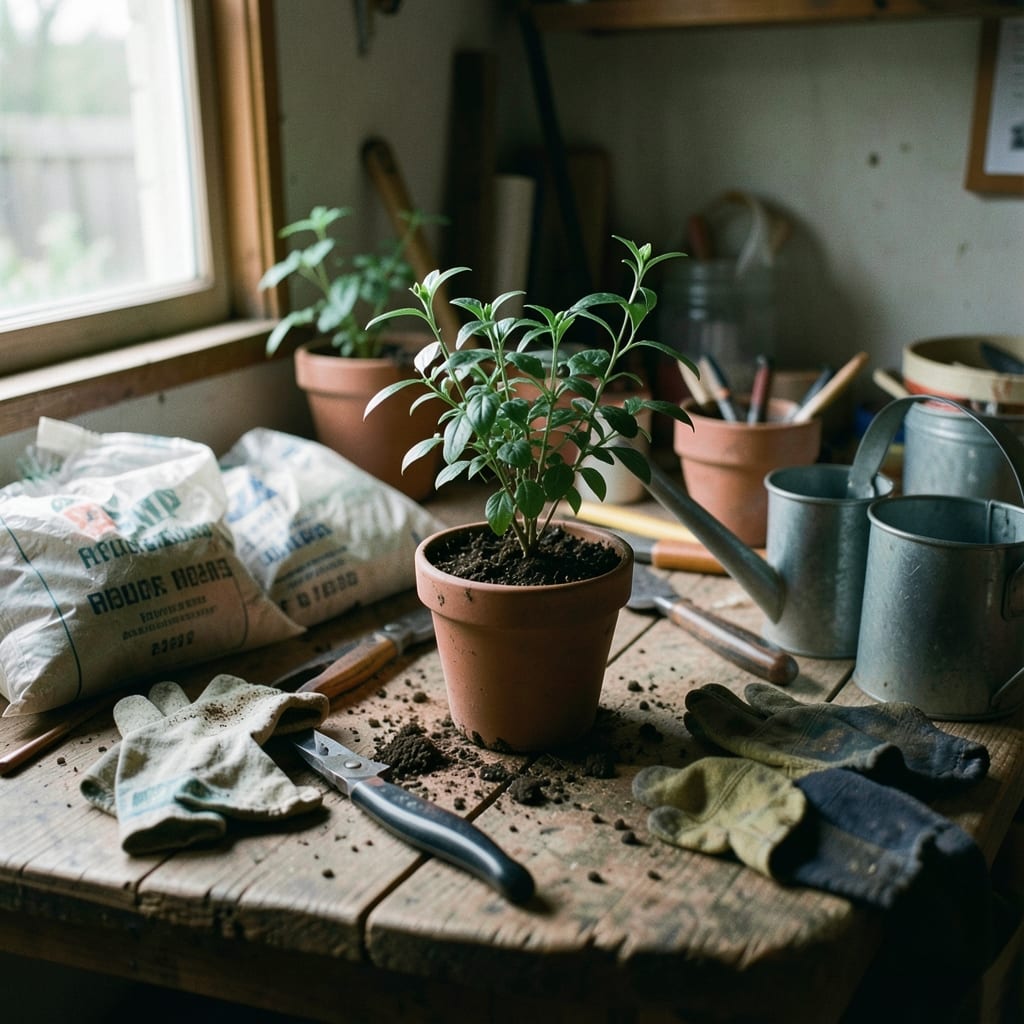
It started with one plant that kept failing
It was a single seedling of *Aquilegia canadensis*—wild columbine—planted in early April, in the damp, loamy soil of a raised bed that had been turned the week before. The first two leaves unfurled perfectly, their lobed edges catching the morning light.
By the third week, though, the stem had thickened at the base but refused to grow taller, as if the plant had hit an invisible wall.
I checked the soil pH—it was fine, right around 6.5. I adjusted the watering schedule, giving it just enough to keep the surface moist but not soggy. I even moved it to a sunnier spot, though the seed packet swore it preferred partial shade. Nothing changed.
The plant sat there, stubborn and stunted, while everything else in the bed stretched toward the sky.
Then, two months later, I noticed the leaves had started yellowing at the edges. I pulled it up to check the roots, and that’s when I saw it: a thick, white, cottony mass clinging to the stems. Powdery mildew. I’d missed it entirely, despite the damp conditions.
Nine tries later, I’d finally grown one healthy columbine from seed—but not before losing count of how many others had failed along the way.
Nine tries before it worked
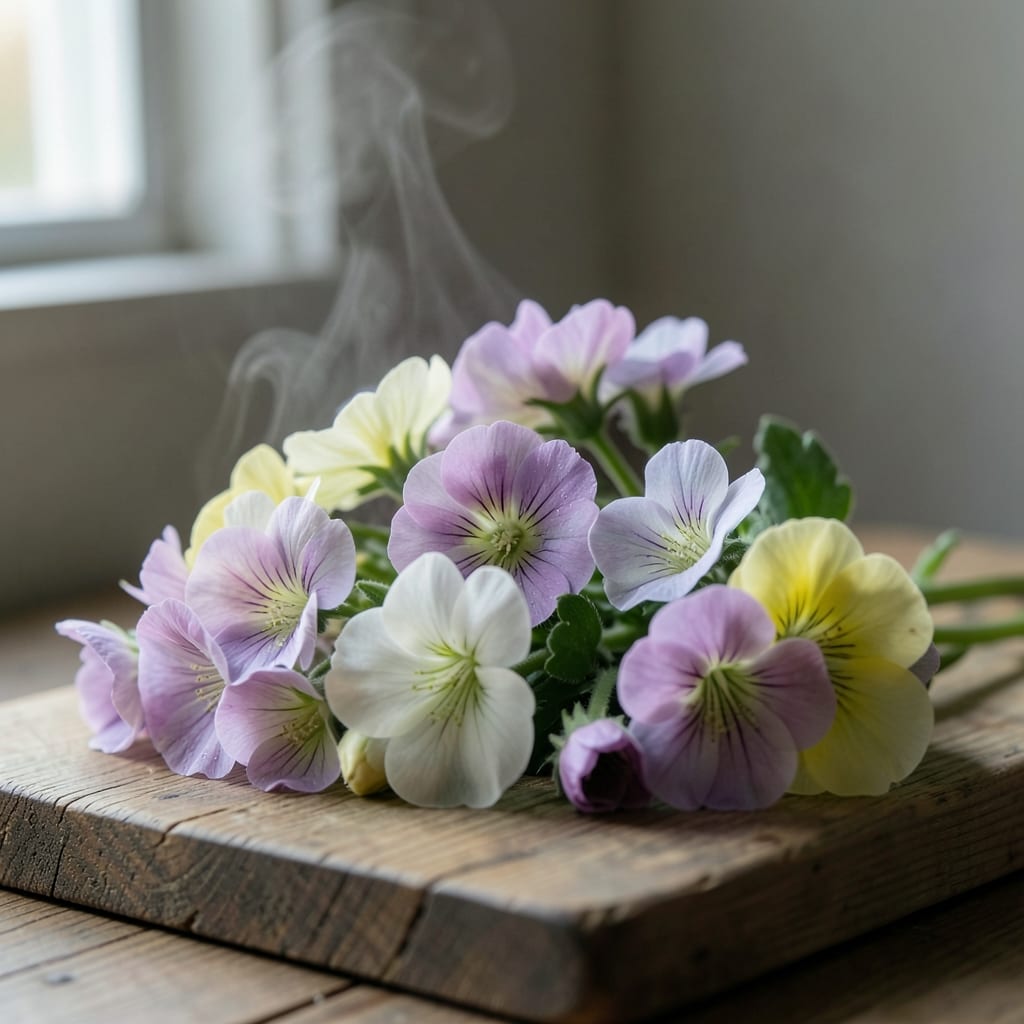
The first five attempts all followed the same pattern: the seed would germinate, the first true leaves would appear, and then—nothing. The sixth time, I sterilized the soil with a baking soda solution, but the seedlings still wilted within days.
The seventh try, I moved the tray under a grow light, only to watch the stems elongate into weak, leggy shoots that collapsed the moment I transplanted them.
The eighth attempt was the worst. I’d read somewhere that columbine seeds need a cold stratification period, so I tucked them into a plastic bag with a damp paper towel and left them in the fridge for six weeks.
When I finally planted them, they sprouted too fast, their roots tangling into a mess that broke apart at the slightest touch. By the time they were large enough to harden off, they were already stressed.
It wasn’t until the ninth try—when I combined cold stratification, a fungicide wash for the seeds, and a slow, gradual introduction to outdoor conditions—that the plant finally took off.
The first bloom appeared in its second year, a delicate blue nodding above the bed, exactly as it should have been all along.
The mind behind these pages

That stubborn columbine was Bridget Pappas’s first real lesson in gardening—not the ones taught in books or by well-meaning neighbors, but the kind you learn when your hands are in the dirt and the plants won’t cooperate.
She’s the one who kept replanting, who adjusted the soil, who finally got it right after eight failures. Now, she writes about gardening the way she gardens: with patience, curiosity, and a willingness to learn from every mistake.
She’s the kind of person who notices the way light hits a leaf at dawn, who saves seeds from her favorite tomatoes every year, and who still gets excited when a seedling cracks through the soil.
Her grandfather taught her to read the weather by the way plants grew, and she’s spent decades refining that instinct—though she’ll admit she’s still learning. That’s why every page here starts with a question: *What went wrong? And how do we fix it?*
When she’s not writing, you might find her pruning roses in the early morning, arguing with her compost pile, or trying to convince her cat that the new houseplants aren’t chew toys.
And yes, that columbine is still growing in the same bed where it first struggled. Every year, it comes back stronger.
Everything here is written the way that columbine was
Every guide, tip, and troubleshooting article on this site follows the same rule: it’s tested at least three times before it’s published. If a method fails—whether it’s a soil amendment, a pruning technique, or a seed-starting hack—it’s rewritten, re-tested, and often scrapped entirely.
The notes from those failures stay in the margins, because they’re just as important as the successes.
You’ll never see a ‘foolproof’ method here, because there isn’t one. Instead, you’ll get the raw details: the temperatures that worked, the tools that failed, and the exact moment a plant finally broke through. The goal isn’t perfection; it’s honesty. And if something doesn’t work the first time?
That’s when the real learning begins.
Even the pages that seem polished were once messy drafts, scribbled in a notebook while kneeling in the dirt. Some are updated years later, after new failures (or triumphs) prove the old advice wrong. Gardening doesn’t stop when a plant thrives—it just changes.
What that means for you
You’ll find no vague promises here—just the unvarnished truth about what works, what doesn’t, and why. Every recommendation is backed by real trials, real soil, and real seasons. And if something doesn’t go as planned? That’s not a mistake; it’s part of the process.
The best gardens—and the best lessons—are built on failures.
What you *won’t* find are quick fixes, corporate jargon, or advice that sounds great in theory but falls apart in practice. This is gardening as it’s really done: with dirt under the nails, patience in the waiting, and a healthy dose of curiosity when things go wrong.
We’d love to hear about it. Whether it’s a seedling that won’t grow, a soil problem you can’t solve, or a plant that keeps coming back stronger than ever—share your story. The best lessons come from the things that refuse to cooperate.
The guides are grouped by category: Advice, Aphids, Blooming, Companion Plants, Container Gardens and Diseases.