
Blooming
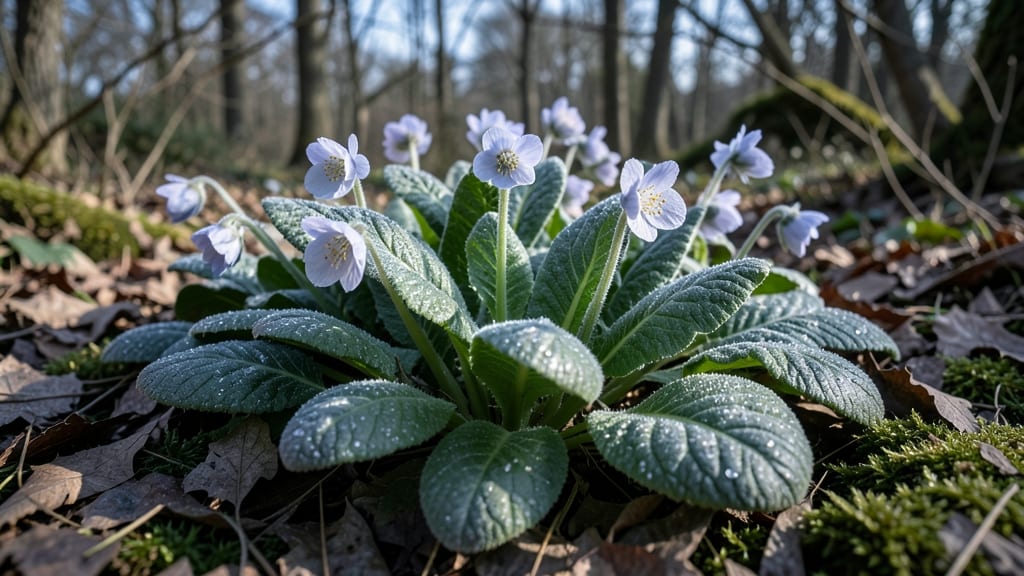
Winter gardens don’t have to be dull—these 10 frost-resistant flowers bloom even in cold months, offering vibrant color and life when most plants sleep. Perfect for gardeners who refuse to surrender beauty to the chill.
Snowdrops: Delicate White Blooms in Deep Frost
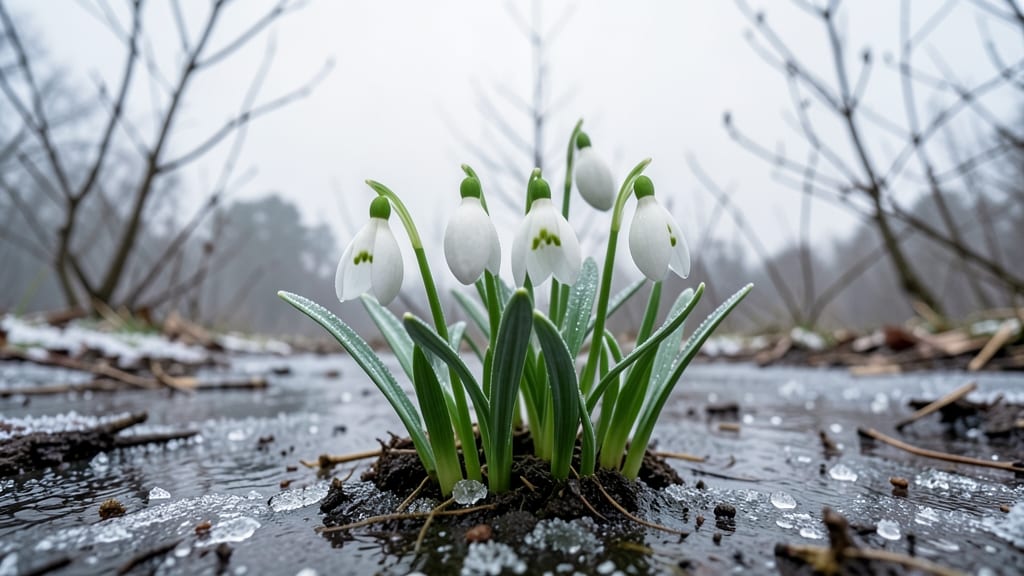
When the ground is still frozen and most gardens lie dormant, snowdrops break through the frost with their graceful, nodding white bells—often appearing as early as December in mild climates. These hardy perennials are nature’s way of whispering that spring is coming, even when the world outside is still wrapped in winter’s grip.
Thriving in USDA zones 3-9, snowdrops prefer partial shade to full sun and well-draining soil, making them ideal for woodland gardens, rockeries, or even under deciduous trees. Their delicate blooms symbolize hope and renewal, and they’re surprisingly low-maintenance: once established, they’ll naturalize and multiply year after year with minimal care. Plant bulbs in fall for a surprise burst of color in late winter.
Perfect for beginner gardeners or those seeking early pollinator support, snowdrops add a touch of elegance without demanding attention. Their resilience and timeless beauty make them a must-have for any winter garden. 🌱
Winter Aconite: Bright Yellow Cheer in Shade Gardens
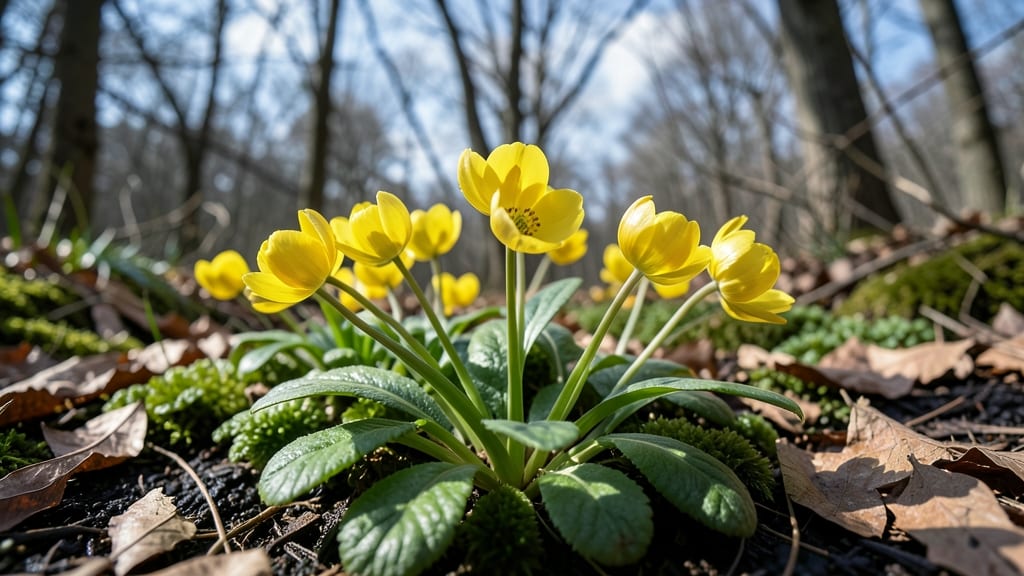
When other flowers are still hibernating, winter aconite (Eranthis hyemalis) bursts into cheerful bright yellow blooms from January to March, proving shade gardens don’t have to be dull. This hardy perennial thrives in partial to full shade, making it a standout for woodland gardens, under trees, or north-facing beds where sunlight is scarce.
Native to Europe, winter aconite tolerates USDA zones 4-9 and naturalizes over time, creating a carpet of early-season color. Its cup-shaped flowers rise above glossy, deep green leaves, while early pollinators—like bees—flock to its nectar before other blooms emerge. Plant bulbs in fall (4-6 inches deep) in well-draining, slightly acidic soil for best results.
Ideal for gardeners with shady spots or those seeking low-maintenance winter interest, winter aconite’s bold color lifts spirits when the garden feels dormant. Pair it with snowdrops or hellebore for a layered effect. ✨
Hellebore: Evergreen Leaves with Late Winter Flowers
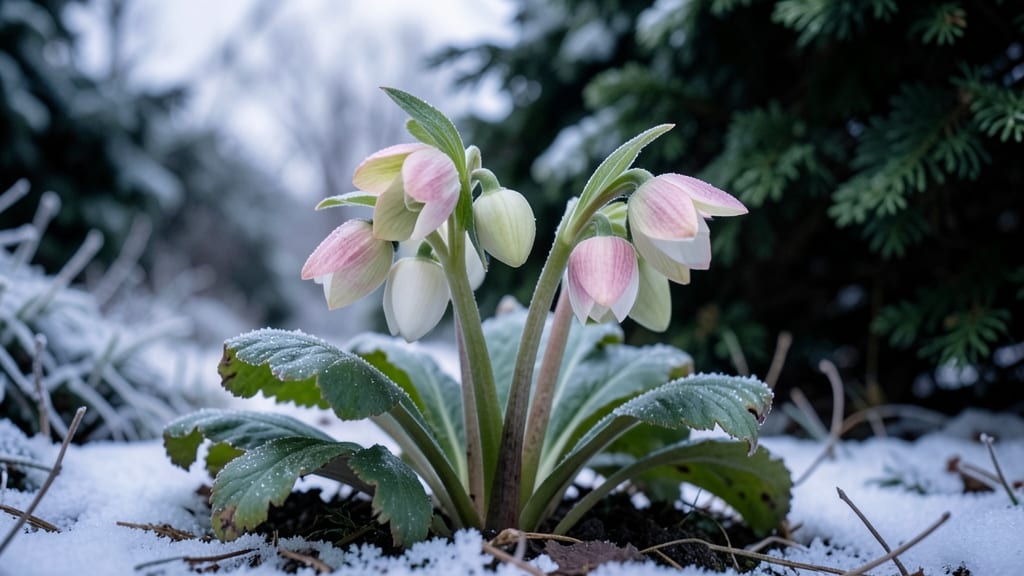
When most gardens are still tucked under snow, hellebore—or Lenten rose—pops up with its delicate, nodding blooms in shades of pink, white, or even green. Unlike other winter flowers that demand constant attention, this shade-loving perennial thrives with almost no fuss, making it a favorite for busy gardeners.
Plant hellebore in partial to full shade and well-draining soil, and it will reward you with blooms from February to April in zones 4-9. Its evergreen leaves add texture year-round, while its unique, upside-down flowers attract early pollinators like bees. Water occasionally—once a week is plenty—since its deep roots make it drought-tolerant once established.
Perfect for woodland gardens, borders, or even containers, hellebore’s low-maintenance nature makes it ideal for beginners or gardeners who want winter color without the upkeep. 🌷
Crocus: Purple and White Stars in Early Spring
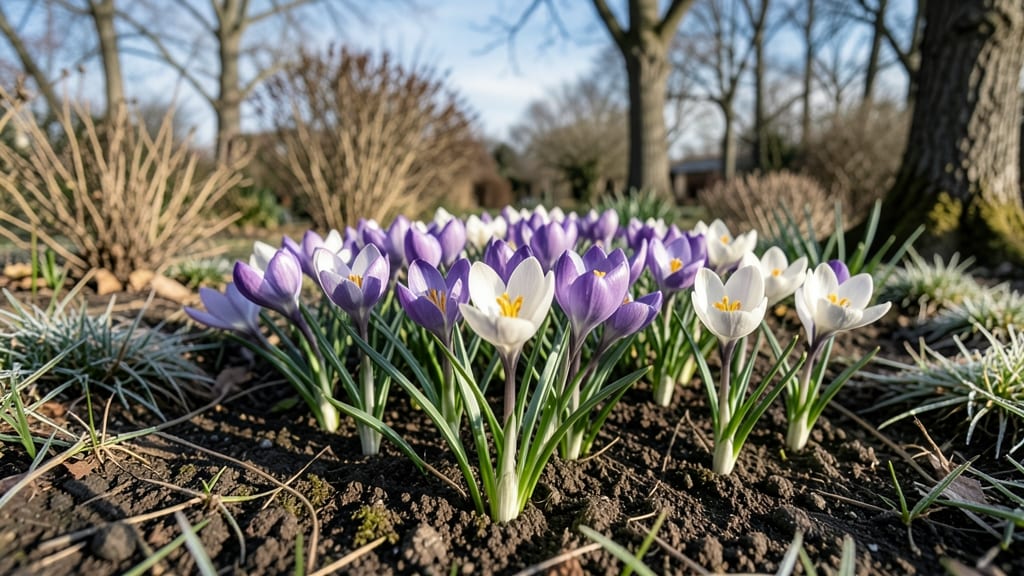
Want to defy winter’s drabness with a burst of color before spring even arrives? Crocus emerges as early as December in mild climates, offering purple, white, and yellow stars that brighten lawns and borders when little else is blooming.
These fast-growing perennials thrive in full sun to partial shade and need minimal care—just plant the corms 3-4 inches deep in well-draining soil in fall or early winter. They’re also pollinator magnets, providing early-season nectar for bees and butterflies struggling through cold months. Most varieties return year after year with almost no maintenance.
Perfect for beginners or busy gardeners, crocus adds instant winter charm with almost zero effort. Plant them in clusters for maximum impact—your garden will thank you! 🌱
Pansies: Frost-Resistant Annuals with Bold Faces
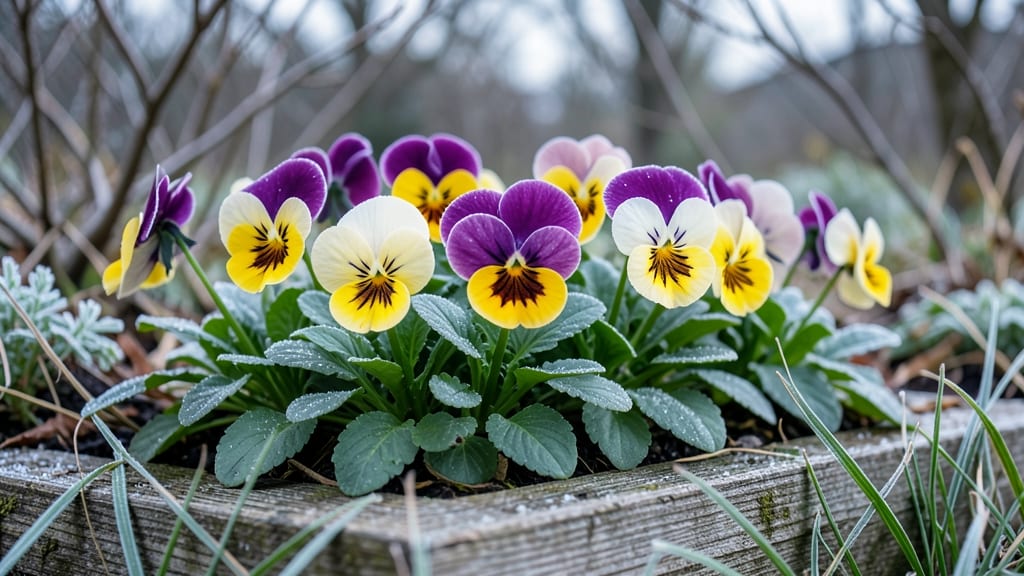
Skip the summer-only color palette—pansies bring bold, cheerful blooms to your garden even when temperatures dip. Their frost tolerance means they’ll keep flowering in cool weather, often thriving until spring frost arrives, and some varieties even survive light freezes.
These edible annuals (yes, you can eat them!) offer a rainbow of colors in shades of purple, yellow, blue, and white, with unique facial patterns that add whimsy to containers, window boxes, or garden borders. Plant them in full sun to partial shade and water consistently to keep the soil moist but not soggy. For extra winter protection, mulch around the base with straw or leaves.
Perfect for urban gardeners with limited space or beginners eager to try edible flowers, pansies deliver instant color and a pop of personality to winter landscapes. 🌻
Winter Jasmine: Golden Clusters Against Bare Branches
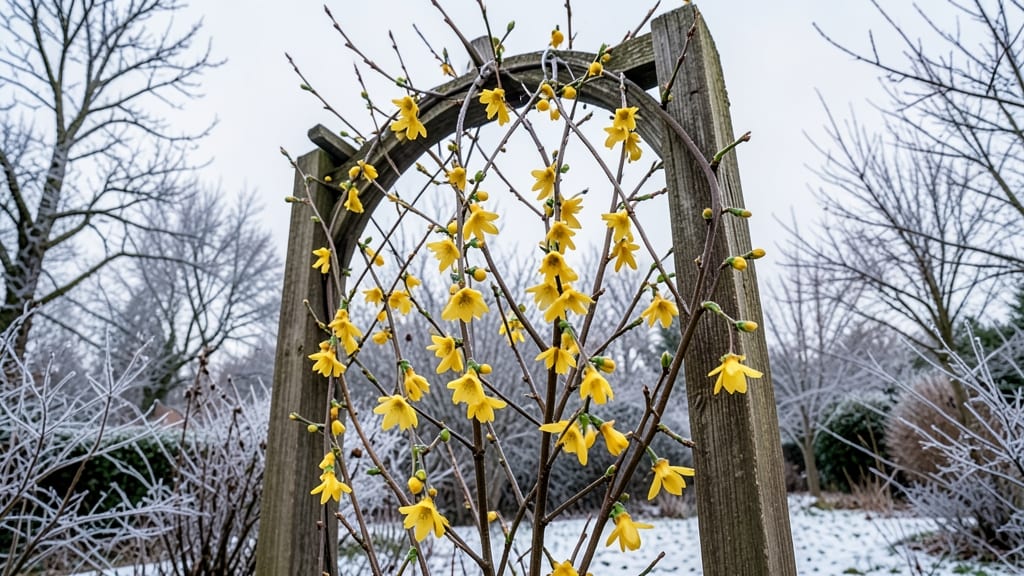
When winter landscapes look stark and bare, winter jasmine bursts onto the scene with its cheerful golden-yellow flowers that appear before leaves emerge. This deciduous shrub thrives in zones 6-9, offering a stunning vertical display when trained on trellises, fences, or arbors.
Plant it in full sun to partial shade and prune back old stems in early spring to encourage new growth and blooms. Winter jasmine is drought-tolerant once established, making it a low-maintenance choice for gardeners who want winter color without fuss. Its late winter blooms (February-March) provide vital early-season nectar for bees.
Ideal for urban gardeners with limited space or those wanting to add height and drama to winter borders, this shrub transforms dreary winter days into vibrant displays. 🌻
Daffodils: Classic Trumpets That Brave the Cold
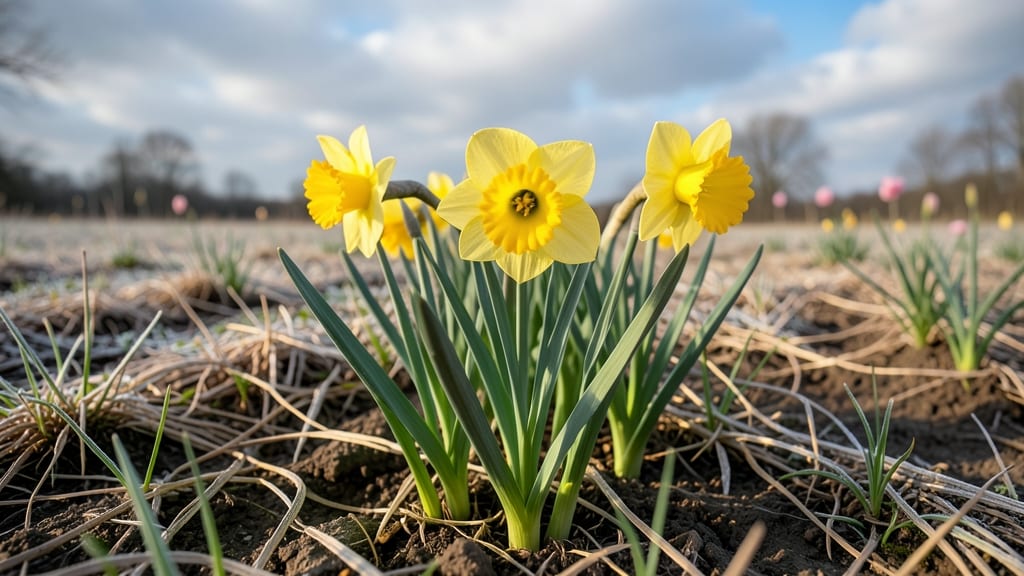
When winter’s chill starts to fade and the first hints of spring appear, daffodils rise like golden trumpets, announcing renewal with their cheerful blooms. Unlike many winter flowers, these hardy perennials thrive in zones 3-8, making them a reliable choice for gardeners across North America.
Plant bulbs in fall for a stunning late winter to early spring display, and enjoy their deer- and squirrel-resistant foliage. Choose from classic yellow varieties or try double blooms in white or pink for added variety. Their naturalizing habit means they’ll multiply year after year with minimal effort.
Perfect for beginners or busy gardeners, daffodils bring instant color to beds, borders, or even containers. Their resilience and early bloom make them a must-have for any winter garden. 🌻
Heather: Purple and Pink Carpets for Full Sun
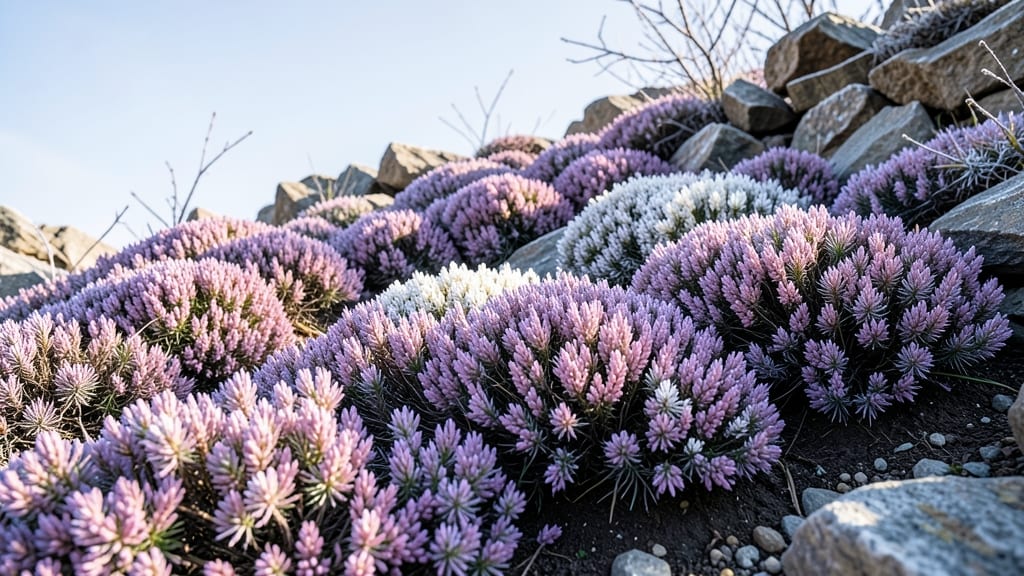
Transform your sun-drenched slopes or rocky beds into a vibrant winter wonderland with heather—these low-growing evergreens burst into purple, pink, or white blooms from late winter through spring, defying the chill. Unlike other winter flowers, heather thrives in full sun and well-drained soil, making it perfect for areas where other plants struggle.
Plant heather in zones 4-8 for year-round greenery with seasonal color, and watch bees flock to its early-season blooms. Prune lightly after flowering to maintain shape, and avoid overwatering—these drought-tolerant shrubs prefer dry conditions. Varieties like Calluna vulgaris (common heather) or Erica carnea (spring heather) offer different heights and bloom times for layered interest.
Ideal for gardeners with sloped or challenging terrain, heather adds texture and color with minimal effort. 🌷
Sweet Box: Fragrant White Clusters for Containers
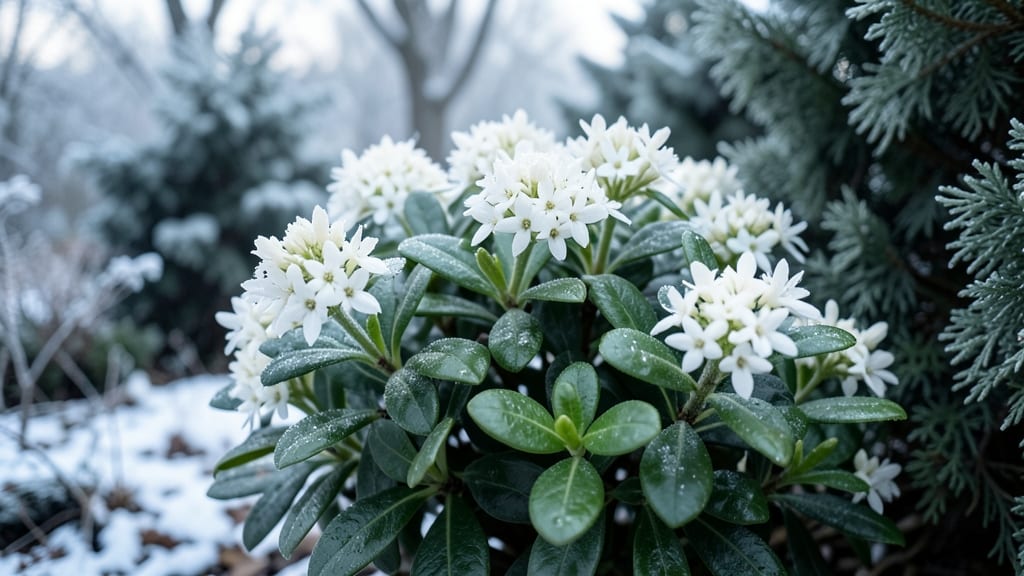
If you crave a fragrant winter garden but lack space for sprawling shrubs, sweet box (Sarcococca) is your secret weapon. This evergreen shrub bursts into clusters of highly aromatic white flowers in late winter—when most gardens are still dormant—making it a standout for small patios, balconies, or even windowsills.
Thriving in zones 7-9, sweet box handles partial shade and well-draining soil, making it ideal for containers. Prune lightly after flowering to maintain its compact shape, and enjoy its leathery, glossy leaves year-round. The scent alone—often compared to jasmine—will draw you outside even on chilly days.
Perfect for urban gardeners or anyone with limited space, sweet box delivers low-maintenance elegance and a sensory experience that’s hard to beat. 🌿
Lungwort: Spotted Leaves with Blue Spring Blooms

If you love shade gardens but still crave color, lungwort (Pulmonaria) is your secret weapon. This underrated perennial delivers silver-spotted leaves year-round and soft blue flowers in late winter—long before most gardens wake up.
Thriving in zones 3-8, lungwort handles partial to full shade and even tolerates dry soil once established. Its unique foliage adds texture, while the early blooms (February-March) attract pollinators when food is scarce. Simply divide clumps every 3-4 years to keep it vigorous—no fuss required!
Perfect for woodland gardens, shady borders, or even under trees, lungwort gives you color and structure without the upkeep of high-maintenance perennials. 💚