
Blooming
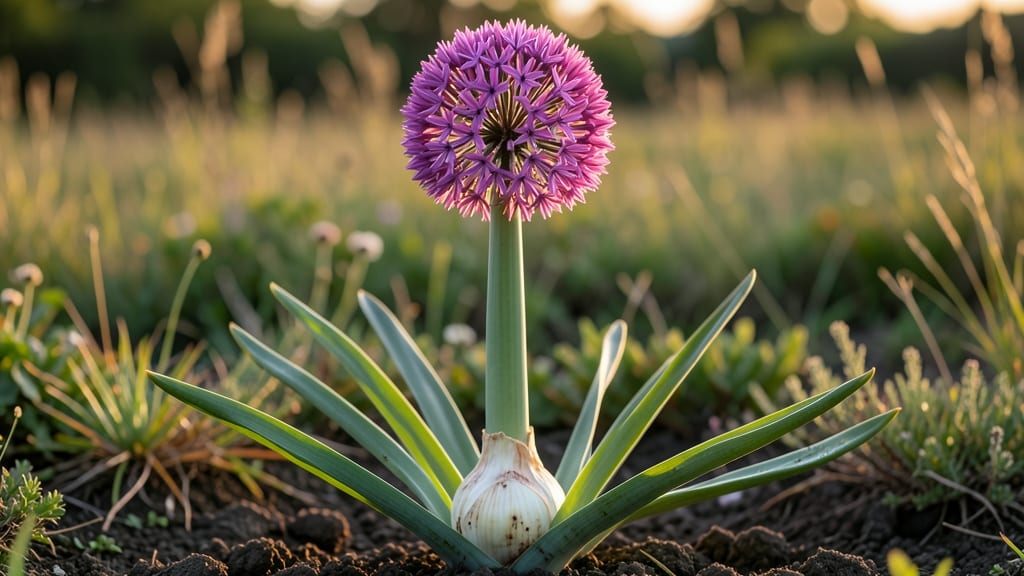
Allium giganteum blooms in late spring to early summer 🌷, but the exact timing depends on your heat zone—and getting it right means the difference between a garden showstopper and a missed season.
If you’ve planted Giant Allium hoping for dramatic purple globes in spring, you may be surprised when blooms arrive early—or vanish entirely.
Heat zones play a hidden role in triggering (or stalling) its flowering cycle, and understanding these patterns can mean the difference between a showstopper garden and a missed season.
In Zone 6a, where most gardeners start, Giant Allium typically blooms in June or July, but colder or warmer zones can shift that window by weeks. A late frost might delay flowering, while a hot snap can rush it—leaving you with flowers that fade too soon.
Below, I break down how heat zones affect bloom time, plus 3 care tips to optimize your Giant Allium’s flowering—including the best planting depth and soil tricks to keep those 5-foot stalks thriving.
Allium giganteum bloom time by USDA heat zones: what to expect
Allium giganteum is famous for its dramatic purple spheres that transform gardens in late spring. But whether you get blooms in May or July depends almost entirely on your USDA heat zone. In cooler zones like 3-5, these alliums often bloom 2-3 weeks earlier than in warmer zones like 8-9. Understanding these patterns helps you plan for the perfect show.
For example, gardeners in the Pacific Northwest (Zone 7) frequently report blooms as early as mid-May, while those in Georgia (Zone 8) may not see flowers until late June.
The difference? Soil warmth and vernalization requirements trigger flowering, and heat zones dictate when these conditions align. Let’s break down what to expect in each zone.
In Zones 3-4, where winters are harsh, Allium giganteum often blooms earliest because the cold vernalization period is naturally satisfied. Gardeners in Minnesota or upstate New York report seeing flowers as early as late May, provided bulbs are planted in fall.
The key is ensuring the soil doesn’t freeze solid—mulch with straw or leaves to insulate roots.
By contrast, Zones 7-8 experience a slower start. In North Carolina or Tennessee, blooms typically arrive in June, but heat waves can push timing back to July. One gardener in Atlanta shared that her alliums bloomed 3 weeks late after a 90°F+ spell in May.
To combat this, she planted bulbs in December instead of February, giving them a head start.
Extreme zones like Zone 9 (e.g., Southern California or Florida) present unique challenges. Without a natural cold snap, bulbs may fail to bloom entirely. To trigger flowering, gardeners here often pre-chill bulbs in the fridge for 6-8 weeks before planting.
Another trick? Planting in partial shade to reduce heat stress on emerging shoots.
Temperature isn’t the only factor—daylength also plays a role. In Zones 5-6, where spring arrives gradually, blooms sync with increasing daylight hours. But in Zones 8-9, where days are long year-round, the plant relies more on soil temperature cues.
This is why late June blooms are common in Texas or Arizona, even though the season feels "early" compared to cooler climates.
If you’re in a transition zone (e.g., Zone 6b/7a), you might see split blooming times—some plants flowering in June and others in July.
To standardize timing, plant bulbs in stages: half in fall and half in early spring. This hedges your bets against unpredictable weather swings.
One pro tip: Monitor soil temperature with a soil thermometer (aim for 50-60°F for bulb growth). In Zones 3-5, this happens by mid-April, while in Zones 8-9, it may not occur until late May.
Adjust watering accordingly—deep soaks every 7-10 days keep roots happy without overwatering.
Finally, don’t overlook microclimates. A north-facing bed in Zone 7 might bloom 2 weeks earlier than a south-facing one due to cooler soil. Use these insights to position your alliums strategically for the most reliable blooms.
With the right zone-specific approach, you’ll turn your garden into a purple paradise every season. 🌷
How heat zones trick or speed up Allium giganteum flowering (science & fixes)
Allium giganteum thrives on precise temperature cues to trigger its spring blooms, but heat zones can confuse or accelerate this process. In cooler zones (3-5), the plant often needs vernalization—a cold period—to break dormancy. Meanwhile, warmer zones (7-9) may push blooms earlier or stunt them entirely due to heat stress. Understanding these physiological triggers helps you adjust planting strategies for reliable purple globes.
Soil temperature plays a critical role in bloom timing. Bulbs planted in 50-60°F soil (ideal for root growth) will develop stronger stems, while soil temps above 70°F can shock the plant into premature flowering or even skip blooming altogether.
This is why gardeners in Southern climates often see early (but weaker) blooms, while Northern gardeners may wait until late spring.
⚠️ callout warning
⚠️ Heat Stress Warning
Allium giganteum bulbs planted in soil >75°F risk:
- Premature blooming (weak stems, short-lived flowers)
- No flowering (bulb diverts energy to survival)
- Rot risk (overheated bulbs spoil faster)
Fix: Use mulch (3-4 inches) of straw or shade cloth in zones 7-9 to keep soil below 70°F during summer.
To optimize bloom time, time your planting based on your USDA zone. In zones 3-5, plant bulbs in fall (September-October) for vernalization. For zones 6-9, wait until late winter (February-March) to avoid summer heat stress.
A simple trick: plant deeper (8 inches) in hot zones to insulate bulbs from extreme temps.
Microclimates can trick heat zones into working for you. For example, planting near north-facing walls or under deciduous trees creates cooler pockets, delaying blooms in warm zones.
Conversely, raised beds warm up faster—ideal for zones 3-5 to jumpstart growth. Test your microclimates by monitoring soil temps with a thermometer for 2 weeks before planting.
Mulching isn’t just for weeds—it’s a heat zone hack. Apply organic mulch (straw, leaves) after planting to regulate soil temps. In hot zones, mulch keeps roots 5-10°F cooler, preventing premature blooms.
In cool zones, remove mulch in late winter to warm the soil and encourage faster growth. Aim for 3-4 inches of mulch, but avoid piling it against bulb necks.
If your Allium giganteum skips blooming, check for heat stress signs: yellowing leaves, weak stems, or bulbs that rot before flowering. In this case, replant bulbs in fall with extra mulch and afternoon shade.
For early bloomers, deadhead spent flowers to redirect energy to next year’s stronger stems. With these science-backed fixes, you’ll coax perfect purple globes—regardless of your heat zone.