
Blooming
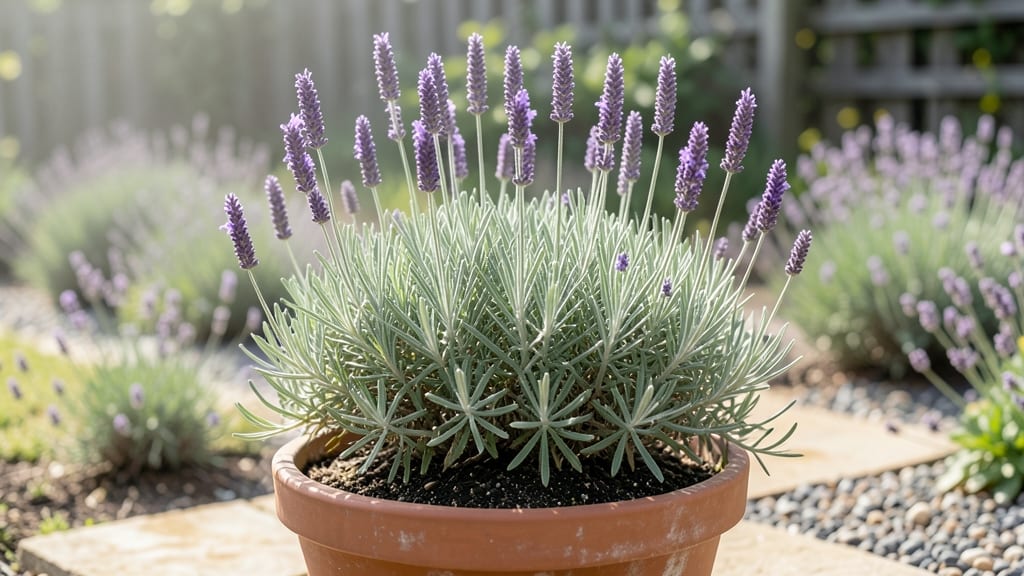
Lavender blooms in Michigan between late June and August, with peak fragrance usually hitting in July—just in time for summer's warmest days. 🌿 I’ve watched my own lavender bushes push out those signature purple spikes right as the air turns crisp, and the timing varies by zone: Southern Michigan sees blooms a week or two earlier than the Upper Peninsula.
Frost dates matter too—if you’re in Zone 5, a late spring frost can delay blooming, while Zone 6 gardeners often enjoy longer flowering periods.
The secret to reliable blooms? Pruning in early spring before new growth appears, and ensuring well-draining soil—lavender hates soggy roots. I’ve found that cutting back dead stems in late winter (after the worst cold passes) gives plants a fresh start.
Companion plants like rosemary or thyme help too—they share similar care needs and keep pests at bay. For Michigan gardeners, this means planning ahead: order plants in early spring or start from cuttings in March or April to give them time to establish before summer heat arrives.
When your lavender finally bursts into bloom, you’ll know it’s working—those fragrant spikes can fill a small yard with scent on a warm afternoon. The key is patience: first-year plants may bloom lightly, but by year two, they’ll reward you with bold, abundant flowers.
Just watch for powdery mildew in humid Michigan summers (a quick spray of neem oil helps) and deadhead spent blooms to encourage more growth. By late summer, you’ll be harvesting stems for drying or enjoying their calming aroma right in your garden.
For winter prep, cut back stems by half after the first frost—this protects against harsh winds and keeps plants healthy for next year’s blooms. Mulch lightly around the base to insulate roots, but avoid piling it too high (lavender dislikes smothering).
If you’re in a colder microclimate, consider protecting young plants with burlap wraps during the worst winter months. With the right care, your lavender will keep blooming reliably for years, turning your Michigan garden into a fragrant sanctuary every summer.
📚 In This Guide
- What you need
- Instructions
- Tips and common mistakes
- Wrapping up and next steps
What you need
- ● Lavender plants: 1–3 English lavender (Lavandula angustifolia) or French lavender (L. x intermedia) (hardier for Michigan’s climate). Choose nursery-grown plants (1–2 years old) for best results.
- ○ Seeds (optional): If starting from seed, select Michigan-hardy varieties like ‘Grosso’ or ‘Munstead.’ Expect a 2–3 year wait for blooms!
- ● Well-draining soil: Amend native soil with 50% sand or gravel (e.g., 2–3 bags of coarse builder’s sand or perlite per 10 sq. ft.). Test soil pH—lavender thrives in neutral to slightly alkaline (6.5–7.5).
- ● Sunlight access: Full sun (6+ hours daily) in a south-facing location. Use a sun calculator to map your yard’s exposure.
- ● Watering tools: Drip irrigation kit (1/4" tubing, emitters) or a soaker hose (avoid overhead watering).
- ○ Water meter (optional but helpful for tracking moisture levels).
- ● Planting tools: Trowel or hand shovel (for transplanting).
- ● Garden gloves (to protect from prickly stems).
- ○ Mulch (optional): 1–2 inches of gravel or crushed stone (retains heat, deters weeds). Avoid organic mulch (e.g., wood chips)—it retains too much moisture.
- ● Fertilizer: Low-nitrogen, phosphorus-rich fertilizer (e.g., 5-10-10 ratio). Apply once in early spring (avoid over-fertilizing—lavender dislikes rich soil!).
- ● Pruning shears: Bypass pruners (sharp, clean) for shaping after blooming. Sterilize with rubbing alcohol between cuts.
- ● Weather prep (Zone 5–6): Frost cloth (for young plants in early spring/fall).
- ● Windbreak (e.g., lattice fence or evergreen barrier) if your yard is exposed.
- ● Companion plants: Pair with rosemary, thyme, or catmint (all love Michigan’s dry conditions).
- ● Harvesting tools: Scissors or pruning shears (cut 1/3 of stems just above a leaf node).
- ● Drying rack: For preserving blooms (e.g., hanging mesh bags or a screen door).
- ● Pollinator-friendly add-ons: Plant bee balm or coneflowers nearby to attract beneficial insects.
Understanding Michigan's lavender bloom schedule
Here's how to predict your lavender's peak fragrance and color—down to the month—based on Michigan's unique growing zones.
🌿 Step 1: Identify Your Michigan Growing Zone
Michigan spans USDA Zones 4a through 6b, and that makes a big difference for lavender. Northern areas (like Traverse City) fall into Zones 4b-5a, where lavender blooms 2-3 weeks later than southern regions (like Detroit, Zone 6a). Check your zone first—it's your bloom clock.
If you're unsure, use this quick test: Look at your winter lows. If temperatures dip below -20°F, you're in Zone 4. Between -10°F and -5°F? Zone 5. Above 0°F? Zone 6. Lavender thrives best in Zones 5-6, where it gets hardy enough to survive winters but still blooms reliably.
☀️ Step 2: Track Sunlight and Soil Prep for Timing
Lavender needs full sun (6+ hours daily) to set blooms, and Michigan's short summers mean you'll need to start plants strong by mid-May. If your garden gets afternoon shade, blooms will push later—or not appear at all. I always test sunlight spots with a white sheet: If it stays bright all afternoon, it's lavender-ready.
Soil prep is key too. Lavender hates wet feet, so amend heavy Michigan clay with 3-4 inches of coarse sand or gravel (mix in the top 6 inches of soil). The goal is fast-draining soil—if water sits for more than 10 minutes after watering, your lavender will struggle to bloom. Test your soil by squeezing a handful: If it forms a tight ball, add more sand.
⏰ Step 3: Watch for First Bud Formation
In Zone 5, buds usually appear late June to early July, while Zone 6 sees them 2-3 weeks earlier. Look for tiny green bumps along the stems—these are your first sign. Here's the thing: If buds form but then brown and drop, your lavender is either stressed from heat (over 90°F) or thirsty (water only when soil feels bone-dry 2 inches down).
Once buds open, count 7-10 days until peak bloom. Michigan's humidity can cause buds to mold before opening, so I always prune off any fuzzy, gray buds immediately. Healthy blooms should stay compact and upright, not flopping over. Cut spent spikes back to new growth right after blooming to encourage a second flush in late August (common in Zone 6).
🌱 Step 4: Extend the Bloom Season with Smart Care
To push blooms later into summer, water deeply once a week (not daily!) and mulch with 1-2 inches of gravel to keep roots cool. In Zone 5, expect a second, smaller bloom in September if you prune after the first flush. Never fertilize lavender—it hates rich soil and will put energy into leaves instead of flowers.
Watch for aphids (tiny green bugs on buds)—they'll ruin your bloom. Spray with neem oil at the first sign. If your lavender blooms sparse or late, it might need more sun or a warmer microclimate. Try planting near a south-facing wall or in a container where you can move it to sunnier spots.
✂️ Step 5: Plan for Next Year’s Blooms
After the first frost (usually late October in Zone 5, early November in Zone 6), cut back woody stems to 4-6 inches tall. This prevents winter dieback and ensures stronger blooms next year. In Zone 4, lavender may need winter protection—wrap plants in burlap or move containers to a sheltered spot.
Here’s the secret: Young lavender (1-2 years old) blooms best. If your plant is over 3 years old, it’s time to divide and replant half. Older plants get woody and bloom less reliably. Michigan’s short growing season means every year counts—so give your lavender the right conditions now, and you’ll get fragrant spikes for decades.
Tips & tricks for perfect Michigan lavender blooms
Michigan's growing zones can make or break your lavender's bloom schedule—here's how to get it right every time.
Zone-Specific Timing: In Zone 5, those late June to early July buds are your first real sign of success. I've learned to set my calendar for July 4th weekend as a rough benchmark for peak blooms—give or take a week depending on your exact location. For Zone 6 gardeners, you'll see buds appear about 2-3 weeks earlier, so start watching in late June. The key is patience: those tiny green bumps take time to develop into fragrant spikes, and rushing the process often leads to disappointment.
Sunlight Strategy: Michigan's short summers mean you can't afford any shade compromises. I always test my garden spots with a white sheet during the hottest part of the day—if it stays bright all afternoon, it's lavender-ready. For containers or garden spots that get afternoon shade, consider moving them to sunnier locations by mid-May. Remember, lavender needs that full 6+ hours of direct sunlight to set buds properly, and Michigan's summers are simply too brief to cut corners here.
Soil Test Trick: The squeeze test is your best friend when preparing Michigan's heavy clay soil. If your soil forms a tight ball when squeezed, you need to add more sand or gravel. I aim for soil that crumbles easily between my fingers—this ensures proper drainage. The 10-minute water test is equally important: if water pools longer than that, your lavender will struggle to bloom. This preparation pays off dramatically when you see those first buds appear in late June or July.
Heat Stress Prevention: Michigan summers can push temperatures over 90°F, which stresses lavender buds. I've found that watering deeply once a week (rather than daily) helps maintain moisture without causing root rot. The gravel mulch trick is another game-changer—it keeps roots cool while preventing soil compaction. When buds do appear, watch for any that turn brown and drop; this is your plant's way of saying "I'm stressed," and usually means it's either too hot or too thirsty.
Pro Tips for When Does Lavender Bloom In Michigan
- Michigan's growing zones can make or break your lavender's bloom schedule—here's how to get it right every time.
- Zone-Specific Timing: In Zone 5, those late June to early July buds are your first real sign of success.
- Sunlight Strategy: Michigan's short summers mean you can't afford any shade compromises.
Frequently asked questions
about lavender blooming in Michigan—because timing, climate, and care can feel like a puzzle! Here’s what you need to know to keep your lavender thriving and fragrant.When does lavender bloom in Michigan’s colder zones (like 4-5)?
In Zones 4-5, lavender typically blooms between late June and early August, depending on the variety. Early bloomers like Lavandula angustifolia may start as soon as mid-June if planted in full sun with well-draining soil. Hardier varieties (e.g., Lavandula x intermedia) often bloom slightly later, around July.
Will Michigan’s winters kill my lavender?
Most English lavender (Lavandula angustifolia) and hybrids (Lavandula x intermedia) survive Michigan winters if they’re planted in well-draining soil and mulched with gravel or straw (never thick organic mulch). Young plants may need winter protection, like burlap wraps or row covers, but established lavender is surprisingly tough!
Can I grow lavender in Michigan’s shorter growing season?
Choose hardy varieties like Lavandula angustifolia ‘Munstead’ or Lavandula x intermedia ‘Grosso’, which thrive in Michigan’s climate. Start seeds indoors 8-10 weeks before the last frost (around March) or buy established nursery plants in spring. Plant after the soil warms to at least 50°F.
Why isn’t my Michigan-grown lavender blooming?
Lavender skips blooms for a few common reasons:
- Overwatering: Lavender hates soggy roots—water only when the top 2 inches of soil are dry.
- Poor sunlight: It needs 6+ hours of direct sun daily; partial shade delays blooms.
- Fertilizer overload: Too much nitrogen = leafy growth, no flowers. Use a low-nitrogen, high-phosphorus fertilizer (or none at all).
- Young plants: Lavender often waits 2-3 years to bloom. Patience is key!
What’s the best alternative to lavender for Michigan gardens?
If lavender struggles in your zone, try these fragrant, low-maintenance alternatives:
- Russian sage (Perovskia atriplicifolia): Drought-tolerant, purple blooms from July to frost.
- Catmint (Nepeta): Blooms May–September, attracts pollinators, and thrives in partial shade.
- Bee balm (Monarda): Vibrant red/pink flowers June–August, loves Michigan’s humidity.
- Yarrow (Achillea): Hardy, blooms June–September, and comes in cheerful colors.
Wrapping up and next steps
Now that you know lavender blooms in Michigan between late June and early August, depending on your hardiness zone, you’re ready to embrace the season’s fragrant charm! 🌿 Whether you’re planning a garden, crafting lavender bundles, or simply enjoying the scent, timing is everything. Next up? Mark your calendar, grab some gloves, and get ready to welcome those purple spikes—your garden (and senses!) will thank you. 🌸
Pro tip: For the best blooms, water deeply but infrequently once established—drought-tolerant lavender thrives on neglect! 💧