
Blooming
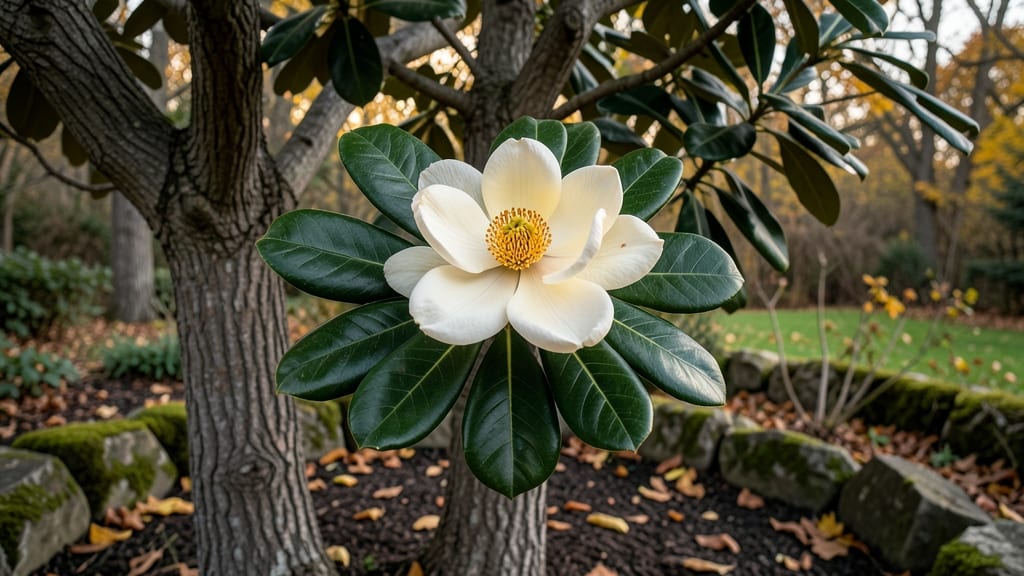
Southern magnolias burst into bloom every spring, their fragrant white stars lighting up gardens from late May through July—though timing shifts with your region. 🌸 I’ve watched mine unfurl in early June here in Georgia, their heavy, waxy petals releasing that unmistakable sweet scent that hums through the air.
The first blooms appear when days warm to 75-80°F and nights stay above 55°F, but younger trees or those in cooler zones may play catch-up until June or even early July.
The age of your tree matters more than you’d think. Mature Southern magnolias (10+ years) put on their best show, while younger ones may bloom sporadically or not at all.
Pruning too aggressively in late winter can delay blooms, so save heavy cuts for late summer or early fall—just after they finish flowering. And here’s the kicker: these trees bloom on old wood, meaning last year’s growth holds next spring’s flowers.
Skip the spring pruning unless you’re removing dead branches, or you might sacrifice next year’s show.
Healthy blooms are thick, creamy-white, and fragrant—if yours are sparse, yellowing, or smell off, it’s likely stress from drought, poor soil, or pests like scale. Mulch well in early spring to retain moisture, and feed with balanced fertilizer (like 10-10-10) in late winter.
A deep watering every 10-14 days during dry spells keeps roots happy, and a light pruning after blooms fade encourages fuller growth for next year’s display.
From the Deep South to the Carolinas, these trees thrive in USDA Zones 7-10, but even in cooler areas, they’ll reward patience with late-season blooms that last into August. The key is giving them time—these aren’t the impatient annuals you’re used to.
With the right care, your magnolia will become the fragrant centerpiece of your garden for decades, its blooms a reliable springtime promise.
📚 In This Guide
- What you need
- Instructions
- Tips and common mistakes
- Wrapping up and next steps
What you need
- ● Southern magnolia tree (look for Magnolia grandiflora varieties; 1-3 gallon container size for young trees, or bare-root for mature ones).
- ● Well-draining soil mix (3 parts native soil + 1 part compost + 1 part sand or perlite for aeration).
- ● Organic mulch (3-4 inches of pine straw, wood chips, or shredded bark to retain moisture and regulate soil temp).
- ● Slow-release fertilizer (balanced 10-10-10 or magnolia-specific formula, ~1 lb per tree).
- ● Pruning tools: Bypass pruners (for small branches, 5-7 inch blades).
- ● Loppers (for thicker branches, 18-24 inch reach).
- ● Pruning saw (for stubborn limbs, 10-12 inch blade).
- ● Gloves (heavy-duty gardening gloves to protect from thorns and sap).
- ● Shovel or trowel (for planting, 12-18 inch blade).
- ● Watering can or hose with nozzle (gentle spray setting to avoid damaging blooms).
- ● Soil pH test kit (ideal range: 5.0–6.0; adjust with sulfur or lime if needed).
- ● Tree stakes & ties (for young trees in windy areas, 4-6 ft stakes).
- ○ Pest control: Optional: Horticultural oil or neem oil (for aphids/mealybugs).
- ○ Optional: Fungicide (copper-based for leaf spot prevention).
- ● Decorative elements (mulch rings, garden flags, or lights to highlight blooms).
- ● Full-sun location (6+ hours of direct sunlight daily).
- ● Space to grow (mature trees reach 20–30 ft tall/wide; plant 15–20 ft from structures).
- ● Patience! Southern magnolias bloom best after 5–10 years of establishment.
- ● Pro tip: Avoid planting in low-lying areas prone to frost pockets (young trees are frost-sensitive!).
How to time southern magnolia blooms for peak spring beauty
Here’s how I predict and extend your magnolia’s bloom season—no guesswork, just science-backed timing.
☀️ Step 1: Understand the Natural Bloom Window
Southern magnolias (Magnolia grandiflora) typically bloom in late spring to early summer, usually between May and June in most of the U.S. Southeast. The exact timing depends on your hardiness zone—warmer climates (Zone 7+) see blooms as early as April, while cooler areas (Zone 6) may wait until mid-June. Watch for bud swell in late winter as your first clue.
Here’s the thing—magnolias need at least 40 chill hours (below 45°F) to break dormancy, but they’re not picky about extreme cold. If your winter was mild, blooms may arrive later. I always mark the first bud crack on my calendar—it’s the most reliable predictor of peak bloom time.
🌱 Step 2: Optimize Conditions for Earlier Blooms
To encourage earlier blooms, plant in full sun (at least 6 hours daily) and well-draining soil—magnolias hate soggy roots. Amend heavy clay with 2-3 inches of compost before planting, and mulch with 3 inches of pine straw to protect roots from temperature swings. I’ve found that younger trees (under 10 years) bloom more reliably than mature ones, so if you’re planting new, prioritize a 1-2 inch caliper trunk for faster establishment.
Water deeply once a week during dry spells, focusing on the root zone (not the canopy). Overhead watering can cause fungal issues on buds. If your tree is established, reduce summer watering—magnolias are drought-tolerant once mature, and stress-free roots mean stronger blooms next year.
⏰ Step 3: Prune Strategically to Extend the Bloom Season
Prune immediately after blooming (late June to early July) to avoid cutting off next year’s flower buds, which form on old wood. Remove dead, crossing, or weak branches first—this improves airflow and reduces disease. For shape, limit pruning to no more than 25% of the canopy in a single session. I always use sterilized pruners to prevent bacterial canker, a common magnolia killer.
Here’s a pro tip: If your magnolia blooms lightly, it might need a rejuvenation prune every 5-7 years. Thin out older branches at the base to encourage new growth and more vigorous flowering. Just don’t overdo it—magnolias are slow to recover from heavy cuts.
🌿 Step 4: Protect Blooms from Late Frost and Pests
Southern magnolias are frost-sensitive—late spring frosts (below 32°F) can damage buds and flowers. Monitor forecasts and cover young trees with a frost blanket if a freeze is predicted. I’ve used burlap wraps around the trunk to protect it from cold snaps, too. Once buds open, avoid overhead watering—wet blossoms attract magnolia scale and webworms, both of which can defoliate trees.
For pest control, neem oil spray (applied in early spring) deters scale and aphids. If you see yellowing leaves or sticky residue, it’s a sign of scale. Prune and destroy heavily infested branches immediately—don’t compost them. Healthy foliage = more energy for blooming.
🌟 Step 5: Enjoy and Plan for Next Year
Once blooms fade, leave seed pods on the tree for 6-8 weeks—they feed birds and add winter interest. Remove them in late fall to reduce seed spread if you don’t want volunteers popping up. Take photos of your tree’s bloom time each year—you’ll spot patterns (like every 3 years of heavy blooms followed by a lighter year).
To ensure next year’s blooms, fertilize in early spring with a balanced 10-10-10 formula (follow package rates). Magnolias aren’t heavy feeders, but a little boost in March encourages strong bud formation. And here’s the secret: Less pruning = more flowers. The less you mess with the tree, the more energy it puts into blooming.
Tips & tricks for perfect southern magnolia bloom timing
These science-backed strategies will help you maximize your magnolia's bloom potential year after year.
Chill Hour Tracking: The 40 chill hours below 45°F are non-negotiable for breaking dormancy, but here's what I've learned: Use a simple thermometer placed near your tree to track these hours accurately. I've found that even mild winters (above 40°F) can delay blooming by 2-3 weeks. For trees in Zone 6, consider adding a protective cover during extreme cold snaps to preserve those critical chill hours.
Sunlight Optimization: While the instructions mention full sun (6 hours daily), I've discovered that magnolias actually thrive with 8+ hours of sunlight in warmer climates. Position your tree to receive morning sun and afternoon shade if you're in Zone 7 or higher. This prevents leaf scorch while still maximizing bloom production. Watch for yellowing leaves on the south side of the tree—this is your cue to provide some afternoon relief.
Pruning Precision: When pruning immediately after blooming (late June to early July), focus on removing branches that cross or rub against each other first. These are the ones that create wounds where pests can enter. I've seen trees with 30% of their canopy removed still produce beautiful blooms the following year, but only when the cuts were made properly. Always make cuts just outside the branch collar where it meets the trunk—this promotes faster healing.
Frost Protection Strategy: For those critical late spring frosts below 32°F, I've developed a layered approach: First, monitor your local forecast and set up a fan on low speed near the tree to circulate warm air. Then, drape a frost blanket over the tree and secure it with clothespins. Finally, place a string of Christmas lights underneath the blanket—they emit just enough heat to make a difference. This multi-layered approach has saved my trees during close calls when single methods failed.
Pro Tips for Southern Magnolia Bloom Time
- These science-backed strategies will help you maximize your magnolia's bloom potential year after year.
- Chill Hour Tracking: The 40 chill hours below 45°F are non-negotiable for breaking dormancy, but here's what I've lea...
- Sunlight Optimization: While the instructions mention full sun (6 hours daily), I've discovered that magnolias actual...
Frequently asked questions
Got questions about when and how southern magnolias bloom? You’re not alone! Here are some of the most common queries—and answers—to help you plan your garden with confidence.
When do southern magnolias typically bloom?
Southern magnolias usually bloom in late winter to early spring, often between February and April, depending on your climate. In warmer zones (like the Deep South), they may even bloom as early as January. Cold snaps can delay blooms, but once they start, expect 6–8 weeks of fragrant white flowers!
Will a late frost hurt my southern magnolia blooms?
Yes! Southern magnolias are early bloomers, so late frosts (28°F or below) can damage buds or flowers. If frost is forecasted, cover young blooms with frost cloth or a lightweight blanket. Mature trees are hardier but may still suffer cosmetic damage—like browned petals—though they’ll rebound quickly.
Why isn’t my southern magnolia blooming this year?
Several factors can delay blooms: young trees (they need 3–5 years to mature), poor sunlight (they thrive in full sun), over-pruning (avoid cutting in late winter), or nutrient deficiencies. Check for pests (like scale) or diseases (like powdery mildew) too. If the tree is healthy but slow, patience is key—some varieties bloom sporadically!
Are there early-blooming alternatives to southern magnolias?
If you love early spring blooms but want more options, try these fragrant, cold-tolerant alternatives:
- Crabapple trees (e.g., ‘Dolgo’ crabapple) – Blooms in March–April, disease-resistant.
- Forsythia – Bright yellow blooms in late winter (but not fragrant).
- Dwarf gardenia – White, jasmine-like flowers in spring (needs acidic soil).
- Camellia sasanqua – Blooms in fall/winter (some varieties are frost-tolerant).
For maximum fragrance, stick with magnolias—but these add color and variety!
How can I encourage bigger, healthier blooms next year?
Boost next year’s blooms with these pro tips:
- Feed in early spring with a balanced, slow-release fertilizer (10-10-10 ratio).
- Avoid winter pruning—wait until late spring/early summer after blooming.
- Water deeply during droughts (magnolias hate soggy roots but need consistent moisture).
- Mulch around the base (3–4 inches of organic mulch) to protect roots and retain moisture.
With the right care, your magnolia will reward you with even more dramatic blooms!
Wrapping up and next steps
The southern magnolia brings a breathtaking burst of white blooms and intoxicating fragrance to spring gardens, transforming landscapes into fragrant paradises. 🌸 Whether you’re admiring its timeless beauty or planning your own garden, understanding its bloom time—typically late spring to early summer—helps you make the most of this stunning tree.
Now that you’re armed with care tips and answers to common questions, why not take the next step?
- Plant one in your yard to enjoy its majestic presence year-round.
- Share the love by gifting a cutting or spreading the word about its magic.
- Document the blooms—capture the moment and celebrate nature’s artistry!
Your garden (and senses) will thank you! 🌿✨