
Trees
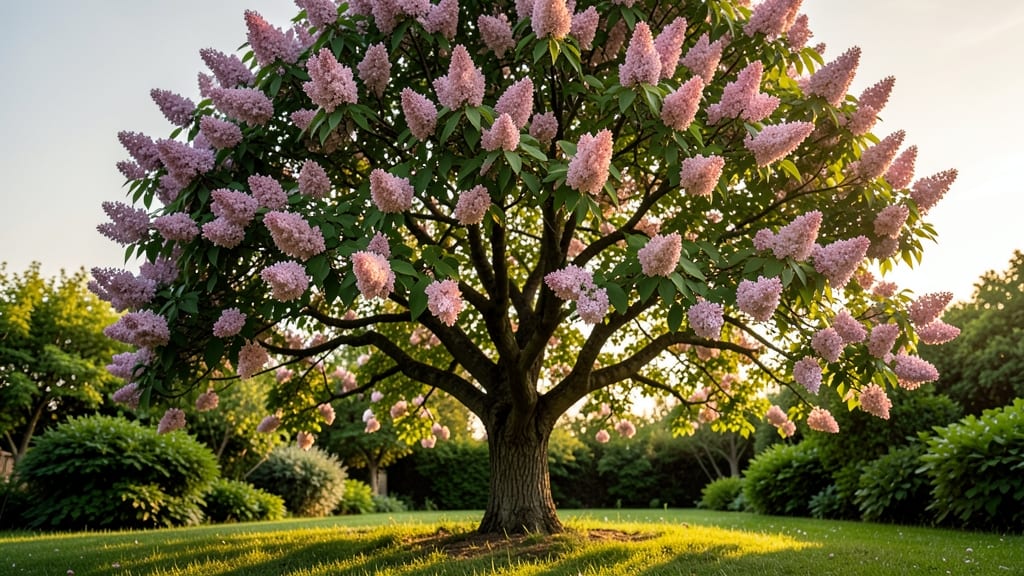
Transform your garden into a summer paradise with these 10 trees featuring vibrant pink blooms. Each variety offers low-maintenance beauty, from drought-resistant species to fast-growing shade providers, perfect for any outdoor space.
Crabapple Tree Pink Perfection
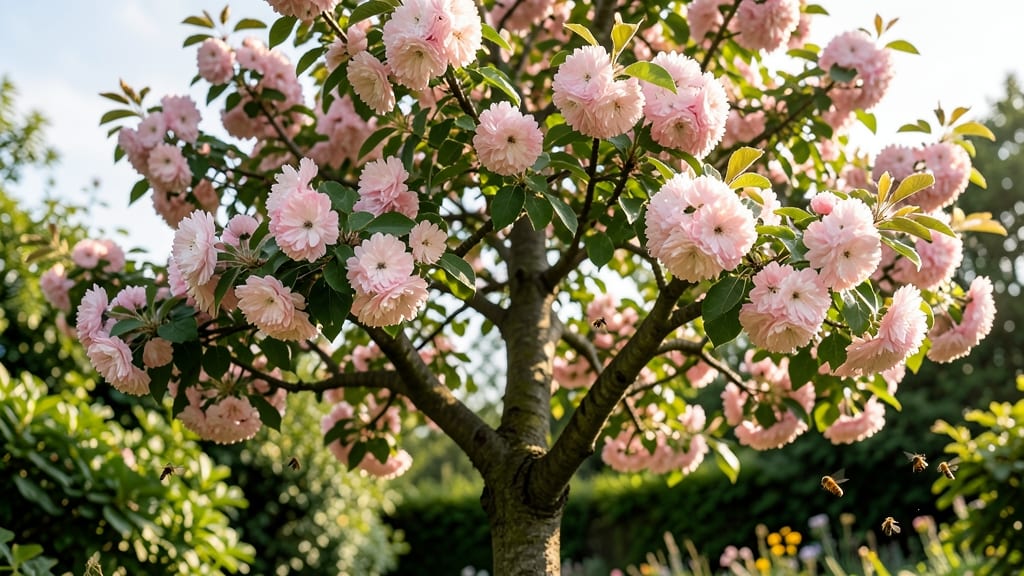
Small gardens deserve big impact, and the crabapple tree delivers with its fragrant pink blossoms that burst into bloom each summer. Unlike its larger ornamental cousins, this compact variety stays manageable at 15-20 feet tall, making it perfect for tight spaces while still attracting pollinators like bees and butterflies.
What sets this tree apart is its seasonal versatility—after the flowers fade, colorful fruit adds autumn interest, and the glossy foliage provides year-round structure. Plant it in full sun for best results, and water deeply during the first year to establish strong roots. The disease-resistant varieties (like 'Adams' or 'Dolgo') require minimal care once established.
Urban gardeners and small-space planners will love how this tree fits neatly into landscapes without overwhelming them. Plus, the sweet scent of its blooms makes it a standout for patios and walkways. 🌻
Japanese Cherry Blossom Tree
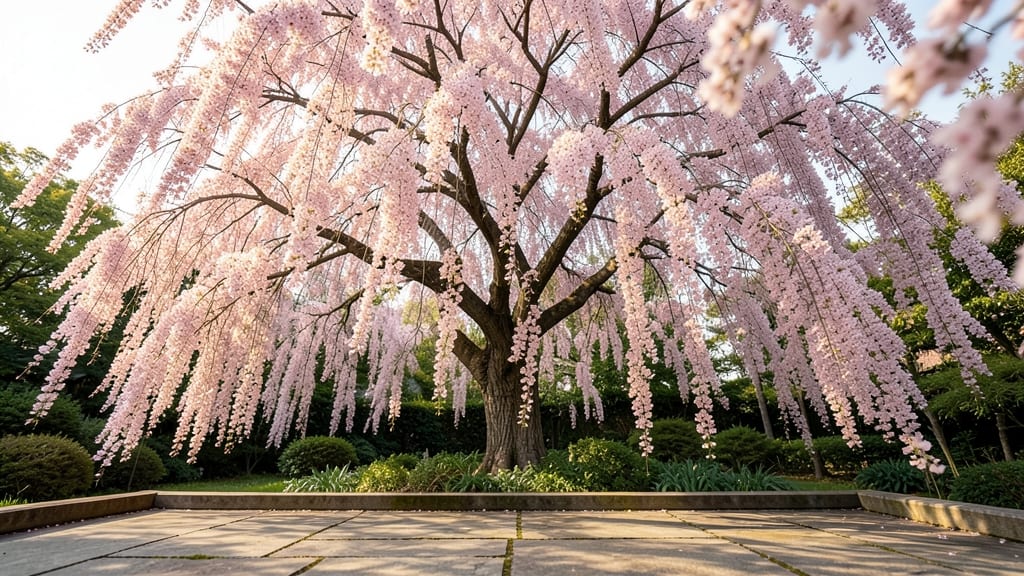
Want to transform your garden into a dreamy, romantic escape? The Japanese cherry blossom tree (Prunus serrulata) delivers ethereal pink blooms that turn any landscape into a serene sanctuary. Its delicate, cascading flowers create a breathtaking focal point, especially when planted near patios or water features.
For optimal growth, ensure your tree gets full sun (6+ hours daily) and is planted in well-drained soil—this tree despises soggy roots. Prune in late winter or early spring to shape the tree and encourage vigorous blooming, but avoid heavy pruning after flowering. With proper care, it rewards you with 3-4 weeks of stunning pink displays in early spring.
Perfect for gardeners who love dramatic visuals with a touch of nostalgia, this tree thrives in USDA zones 5-8. Pair it with hostas or azaleas for a layered, whimsical garden effect. 🌷
Pink Dogwood Tree Beauty
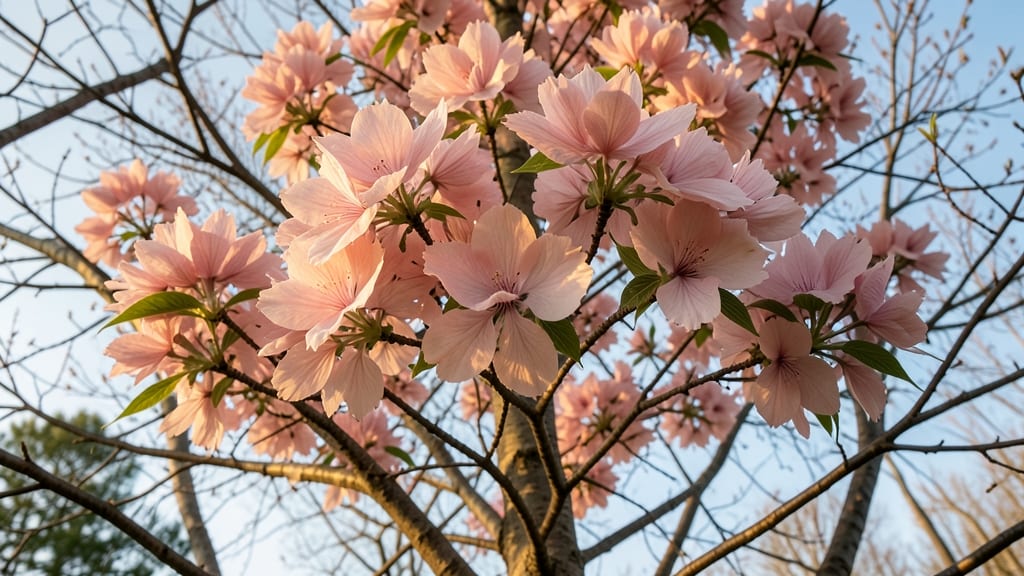
If you love a garden that bursts into color before summer even arrives, the pink dogwood tree is your secret weapon. Unlike many trees that wait for leaves to appear, this classic beauty produces stunning pink bracts in late spring—often before its leaves unfurl—creating a breathtaking early-season show that lasts for weeks.
One of its biggest advantages is its adaptability: it thrives in partial shade to full sun and handles various soil types, from clay to loamy. Plus, its minimal pest issues mean fewer worries about sprays or treatments. For best results, plant it in well-draining soil and water deeply during the first growing season to encourage strong root development.
Traditional gardeners and those seeking timeless elegance will adore how this tree anchors landscapes with its graceful form and vibrant blooms. It’s the perfect choice for gardeners who want beauty with minimal fuss. 🌟
Bradford Pear Tree
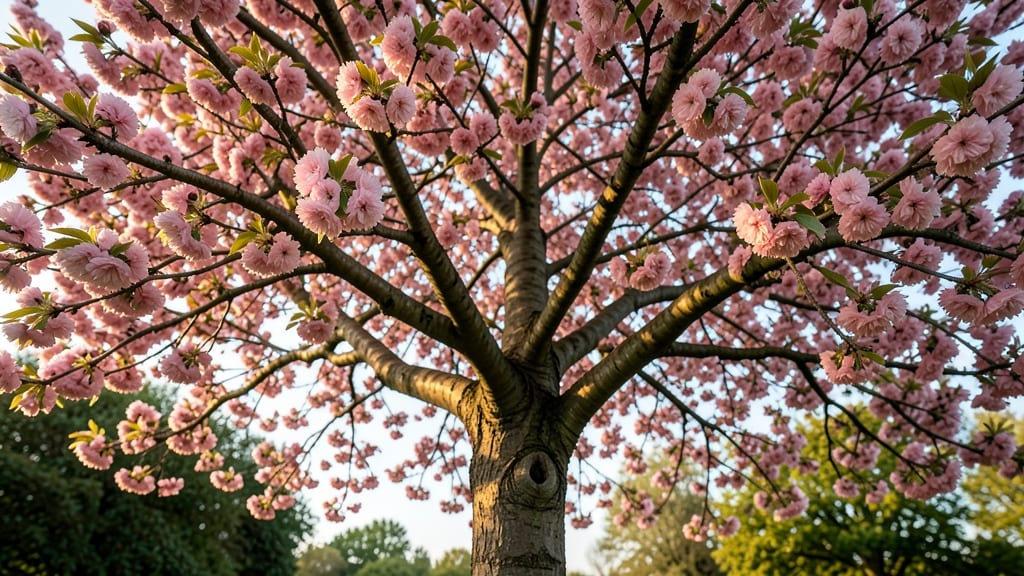
Need instant shade and a burst of spring color? The Bradford pear tree grows faster than most trees—up to 3-4 feet per year—making it a top choice for quick canopy coverage. Its showy pink flowers appear in early spring before the leaves emerge, creating a stunning focal point that lasts for weeks.
However, its rapid growth comes with trade-offs: invasive root systems can damage sidewalks and driveways, while dropped fruit creates messy cleanup. To manage it, plant at least 20 feet from structures and prune annually to control size and shape. This tree thrives in full sun to partial shade and adapts to most soil types, though it prefers well-drained conditions.
Best for urban gardeners or those seeking fast shade, but be prepared for regular maintenance to keep it under control. The trade-off? A tree that transforms bare yards into lush, flowering canopies in record time. 💡
Pink Magnolia Tree
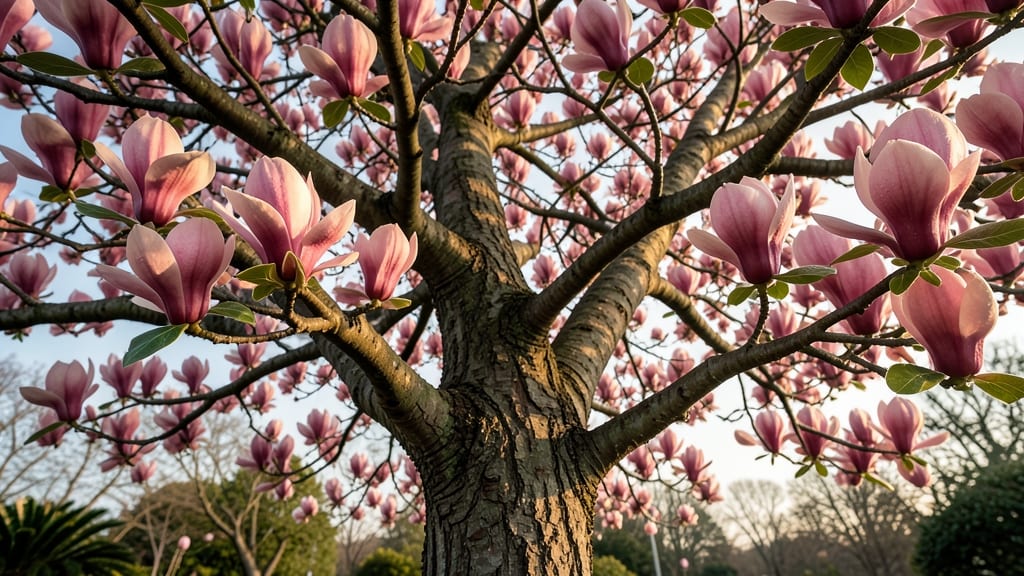
If you crave a garden that feels like a tropical escape without the humidity, the pink magnolia tree (Magnolia × soulangeana) is your secret weapon. Its large, fragrant blooms—ranging from soft blush to vibrant magenta—emerge in late spring and linger for weeks, filling the air with a sweet, intoxicating scent that rivals jasmine.
Unlike sun-loving trees, this magnolia thrives in partial shade, making it ideal for woodland gardens, shaded patios, or as an understory plant beneath taller trees. Its glossy, evergreen-like foliage (in some varieties) provides year-round interest, while the blooms attract hummingbirds and butterflies. For best results, plant in moist, well-drained soil and avoid heavy pruning—this tree rewards patience with dramatic, long-lasting displays.
Perfect for gardeners who love low-maintenance elegance, pink magnolias are especially stunning when paired with hostas or ferns. They’re also a fantastic choice for urban gardens with partial shade, offering a touch of luxury with minimal upkeep. 🌿
Pink Hawthorn Tree
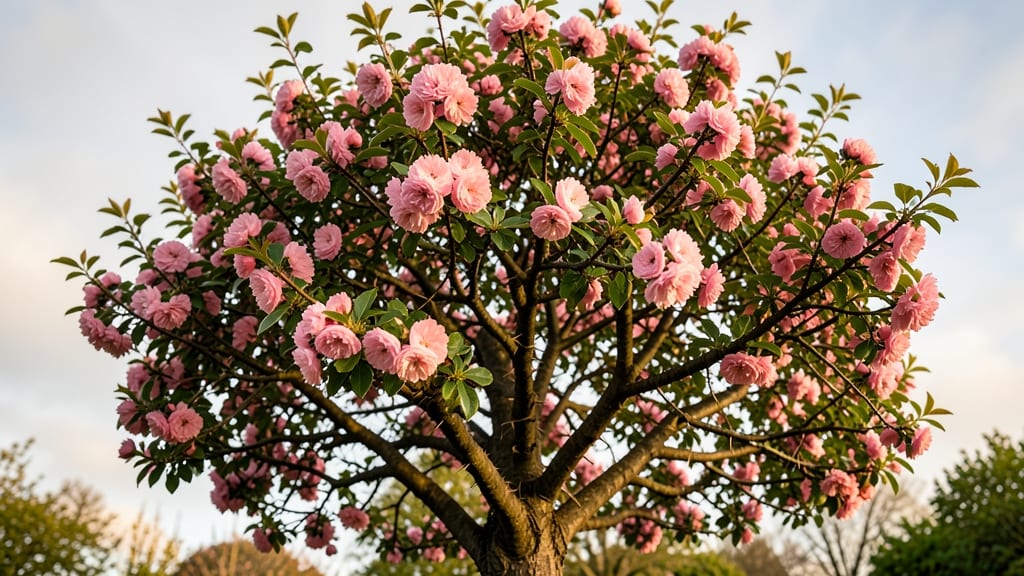
Looking for a wildlife magnet that doubles as a natural privacy screen? The pink hawthorn tree delivers both with its fragrant pink blooms and protective thorny branches—ideal for small gardens where space and security matter.
This versatile tree thrives in full sun to partial shade and handles various soil types, making it low-maintenance once established. Its clusters of pink flowers in late spring/early summer attract bees, butterflies, and birds, while the thorny branches create a natural barrier that deters intruders. Prune lightly after flowering to maintain shape, and watch as this tree becomes a year-round hub for pollinators and wildlife.
Perfect for urban gardeners, small yards, or wildlife enthusiasts, the pink hawthorn offers beauty and function without sacrificing space. 🌿
Pink Flowering Quince
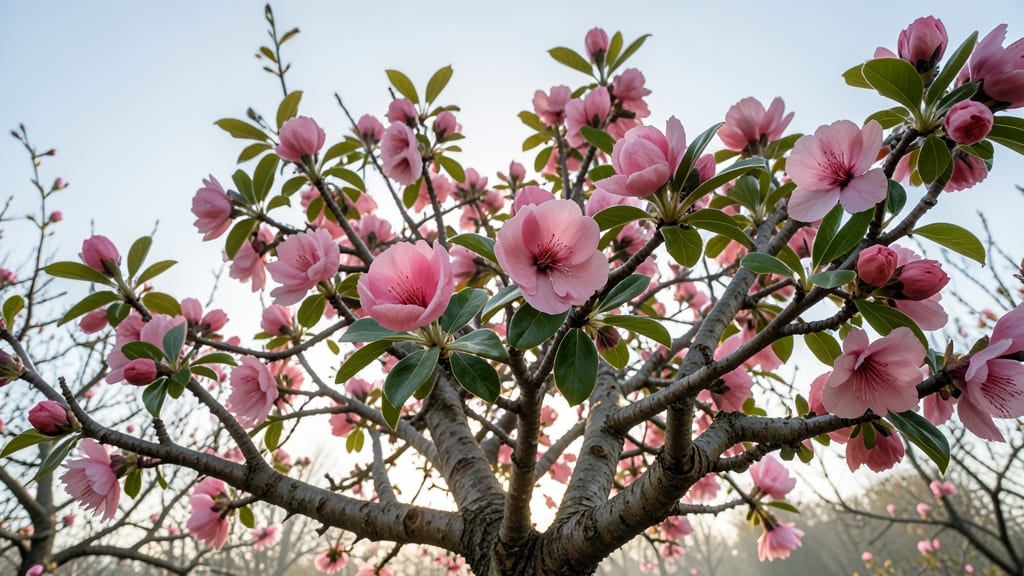
Tired of trees that demand constant attention? The pink flowering quince (Chaenomeles speciosa) is your answer—it thrives on neglect while delivering vibrant pink blooms in late winter or early spring, often before its glossy leaves even appear. This hardy shrub-like tree is a standout for gardeners who want color without the fuss, especially in areas with poor, rocky, or dry soils.
What makes it truly special is its drought tolerance and disease resistance, meaning you won’t waste time battling pests or wilting branches. Plant it in full sun to partial shade for the best floral display, and prune lightly after blooming to maintain shape. The fragrant flowers also attract early-season pollinators, giving your garden a head start on the growing season.
Perfect for cottage gardens, urban landscapes, or even as a low-maintenance hedge, this quince is ideal for beginners and busy gardeners who want year-round structure with minimal effort. 🌱
Pink Crepe Myrtle Tree
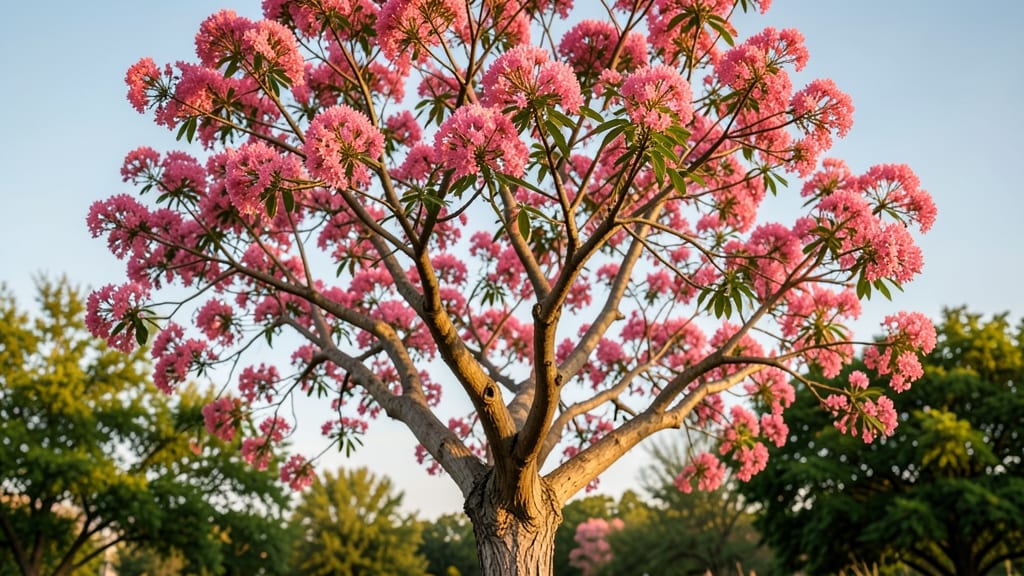
If you're in the southern U.S. and want a tree that thrives in intense heat while requiring almost no water, the pink crepe myrtle is your answer. Unlike many flowering trees that fade quickly, its long-lasting pink blooms appear on bare wood stems, creating a stunning visual contrast that lasts from summer into early fall.
This drought-tolerant tree is perfect for urban landscapes, as it adapts to poor soil and needs minimal maintenance—just prune it back in late winter to encourage fresh growth. Varieties like 'Natchez' or 'Muskogee' produce vibrant pink flowers that attract hummingbirds and butterflies, making it a pollinator magnet. Plant it in full sun (6+ hours daily) for the most dramatic blooms.
City dwellers and low-maintenance gardeners will love how this tree handles heat waves and urban pollution better than many others. It’s the ultimate heat-loving tree that turns summer landscapes into a blooming paradise. 🌻
Pink Serviceberry Tree
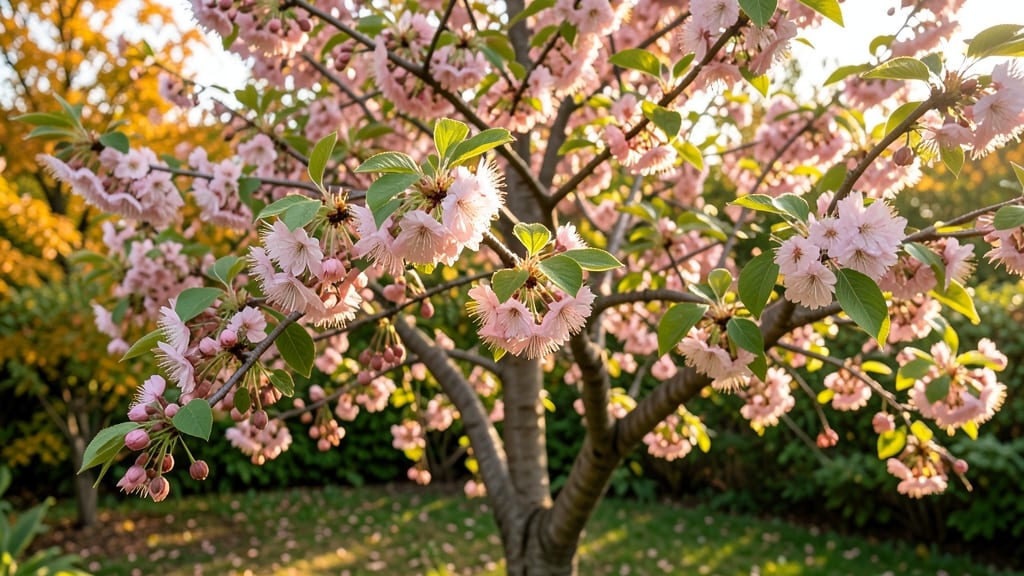
The pink serviceberry tree (Amelanchier) is the ultimate multi-season workhorse—offering delicate pink spring blooms that transition into clusters of sweet, edible berries by summer. Unlike most flowering trees that fade after their initial display, this native beauty keeps giving with vibrant fall foliage and even winter interest from its exfoliating bark.
Plant it in full sun to partial shade with well-drained soil, and you’ll get a tree that thrives in USDA zones 3-9 with minimal fuss. The berries attract birds and wildlife, while the early spring flowers provide nectar for pollinators. For gardeners who love both beauty and functionality, this tree delivers year-round interest without requiring constant maintenance.
Perfect for small gardens, woodland edges, or as a specimen plant, the pink serviceberry combines ornamental appeal with practical benefits that extend beyond the blooming season. 🌱
Pink Lilac Tree

There’s something magical about the scent of pink lilacs wafting through a summer garden—it’s pure nostalgia in floral form. Unlike many summer-blooming trees, lilacs reward you with weeks of fragrant blooms that fill the air with sweet, heady perfume, making them a standout for traditional gardens and cottage-style landscapes.
This versatile tree thrives in full sun (6+ hours daily) and adapts to a wide range of soil types, though it prefers well-drained conditions. Prune immediately after flowering to maintain shape and encourage next year’s blooms, but avoid heavy cuts—lilacs bloom on old wood, so late pruning can reduce future flowers. With minimal care, you’ll enjoy 3-4 weeks of vibrant pink clusters that attract bees and butterflies while adding timeless charm to any space.
Perfect for gardeners who love low-maintenance elegance with a touch of sentimentality, pink lilacs are especially beloved in heritage gardens and suburban landscapes. Their ability to thrive in USDA zones 3-7 makes them a reliable choice for nearly any climate. 🌷