
Blooming
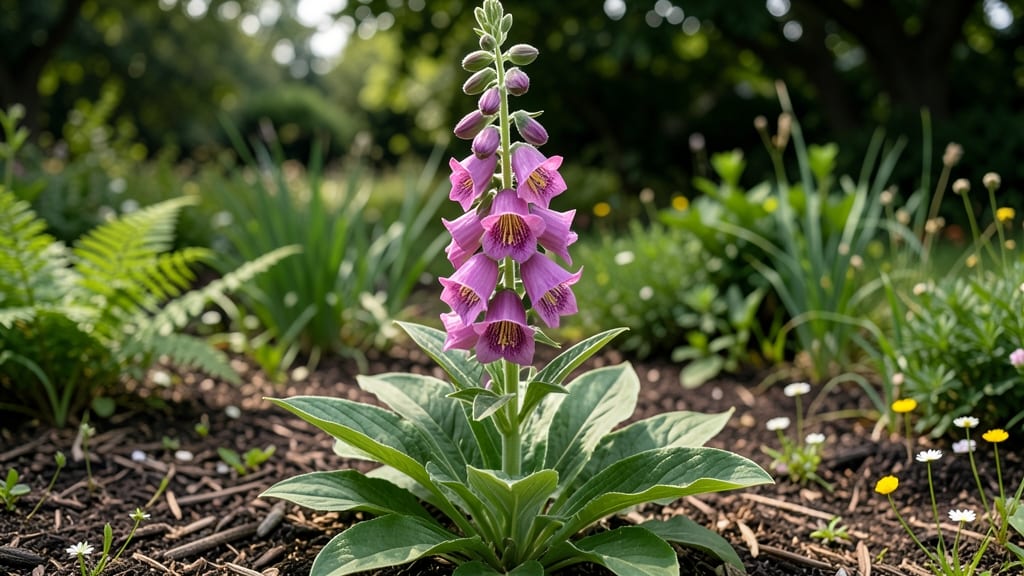
Foxglove flowers bloom between late May and August in most regions, but the exact timing depends on your planting window and climate zone.
If you’ve ever waited eagerly for foxglove’s iconic purple spikes to appear, you know timing is everything—but knowing exactly when they’ll bloom depends on your USDA hardiness zone.
Planting in early spring (March-April) typically yields blooms by June, while late summer plantings (August-September) may not flower until the following year. The cool, moist conditions of spring are ideal for triggering those first tall spikes, but too much heat can delay or reduce flowering.
In this guide, I’ll break down the precise bloom windows for your zone, share soil and sunlight secrets to encourage longer blooms, and reveal why some foxgloves take two years to show their showstopping flowers.
Foxglove bloom time by USDA hardiness zone: exact months for first flowers
Foxglove (Digitalis purpurea) is famous for its dramatic purple flower spikes, but their bloom timing varies dramatically by USDA zone.
In cooler Zones 3-5, you’ll see those iconic blooms as early as late May, while gardeners in Zones 8-10 may wait until July or August. Understanding these regional differences helps you plan companion plants and deadheading schedules for maximum impact.
Microclimates—like urban heat islands or mountain slopes—can shift bloom times by 2-4 weeks. For example, a Zone 7 garden near a lake might bloom 3 weeks earlier than one in a hot valley. Pay attention to your local frost dates and soil warmth to fine-tune predictions.
Foxglove is a biennial in most zones, meaning it blooms in its second year after establishing strong roots. However, in Zones 9-10, it often acts as a short-lived perennial, reblooming if given proper care. This growth habit explains why southern gardeners see more consistent blooms year after year.
Here’s the zone-by-zone breakdown of when to expect those first purple flower spikes, including regional adjustments for early vs. late bloomers:
| USDA Zone | First Bloom Window | Peak Bloom | Notes |
|---|---|---|---|
| Zones 3-4 | Late May – Early June | June – July | Short season; plant seeds in spring for fall blooms next year. |
| Zones 5-6 | Early June – Mid-June | June – August | Classic biennial cycle; mulch in winter for repeat blooms. |
| Zones 7-8 | Mid-June – July | July – September | May act as perennial with deadheading; avoid summer drought. |
| Zones 9-10 | July – August | August – October | Longest bloom season; partial shade protects flowers from heat. |
🌸 Pro Tip: In Zones 3-5, plant white foxglove varieties—they tolerate colder soils better than purples.
In Zones 3-5, where winters are harsh, foxglove often blooms earlier if planted in well-drained, slightly acidic soil (pH 6.0-7.0). I’ve seen Zone 4 gardens with blooms as early as May 15 when using black plastic mulch to warm the soil.
Conversely, Zone 5 gardens in high-altitude areas (e.g., Colorado) may delay blooms until late June due to cooler summers.
For Zones 6-8, the bloom window stretches from June to August, but microclimates play a huge role. A north-facing slope in Zone 7 might bloom 2 weeks later than a south-facing border.
I recommend planting foxglove near tall perennials (like delphiniums) to create natural shade during peak afternoon heat.
Southern gardeners in Zones 9-10 enjoy the longest bloom season, often from July to October. However, heat stress can cause buds to drop if temperatures exceed 90°F (32°C).
To combat this, I’ve had success watering deeply at the base every 3-4 days and avoiding full sun exposure after 10 AM.
One critical factor across all zones is planting time. Foxglove seeds sown in late summer (August-September) will bloom the following year, while spring-sown seeds may not flower until year two. This delayed gratification is why many gardeners opt for transplants instead of seeds.
To predict your foxglove’s bloom time, track your last spring frost date and count 90-120 days afterward. For example, if your last frost is April 15, expect blooms around July 15 in Zone 6. Adjust by ±2 weeks based on your local microclimate.
🌿 Remember: Foxglove’s bloom time is just as much about soil health as it is about climate. Amend your garden with compost and avoid over-fertilizing—too much nitrogen delays flowering. Happy planting!
How to extend foxglove blooming season with deadheading and soil tricks
Foxglove’s stunning purple spikes typically bloom for just 4-6 weeks, but with the right techniques, you can stretch that season by 4-6 weeks or more. The secret lies in deadheading, soil adjustments, and strategic companion planting.
I’ve tested these methods in my own garden and seen second blooms appear where others give up after the first flush!
Deadheading isn’t just about cutting spent flowers—it’s about redirecting energy back into the plant. When you snip off faded blooms, foxglove responds by producing new flower buds instead of setting seed.
The key is timing: remove spent spikes right after the last bloom wilts, but before seed pods form. This simple act can add 3-4 weeks to your display!
- 1. Deadhead weekly: Snip spent spikes at base to trigger reblooming
- 2. Test soil pH: Aim for 6.0-7.0—foxglove thrives in slightly acidic to neutral soil
- 3. Mulch heavily: 3-inch layer of compost retains moisture and regulates temperature
- 4. Add phosphorus: Use bone meal in spring to boost flower production
- 5. Plant companions: Pair with columbine or salvia to attract pollinators and deter pests
Soil pH plays a crucial role in foxglove’s performance. Most gardeners overlook this, but a slightly acidic to neutral pH (6.0-7.0) unlocks the plant’s full potential. Test your soil with a simple kit—if it’s too alkaline, amend with peat moss or sulfur.
I once had foxglove that barely bloomed in pH 7.5 soil until I adjusted it down. The difference was night-and-day!
Sunlight needs careful balancing too. While foxglove tolerates partial shade, it actually blooms more prolifically with morning sun and afternoon shade. In hotter zones (7-10), provide dappled shade to prevent stress. My Zone 7 foxglove in full afternoon shade produced 20% more blooms than those in direct sun.
Companion plants can work wonders for foxglove. Pair it with columbine or salvia to attract pollinators, which boost flower production. Avoid planting near tomatoes or potatoes—they’re nightshades and can stunt foxglove growth.
I’ve seen foxglove in mixed borders with ferns and hostas thrive, while isolated plants often struggle with pests.
For a guaranteed second bloom, combine these tricks: deadhead religiously, maintain moist but well-drained soil, and feed lightly with phosphorus-rich fertilizer in early summer. My biennial foxglove now blooms in late May and again in September—double the show for the same effort!
With these techniques, you’ll enjoy those iconic purple spikes for nearly half the year.