
Blooming
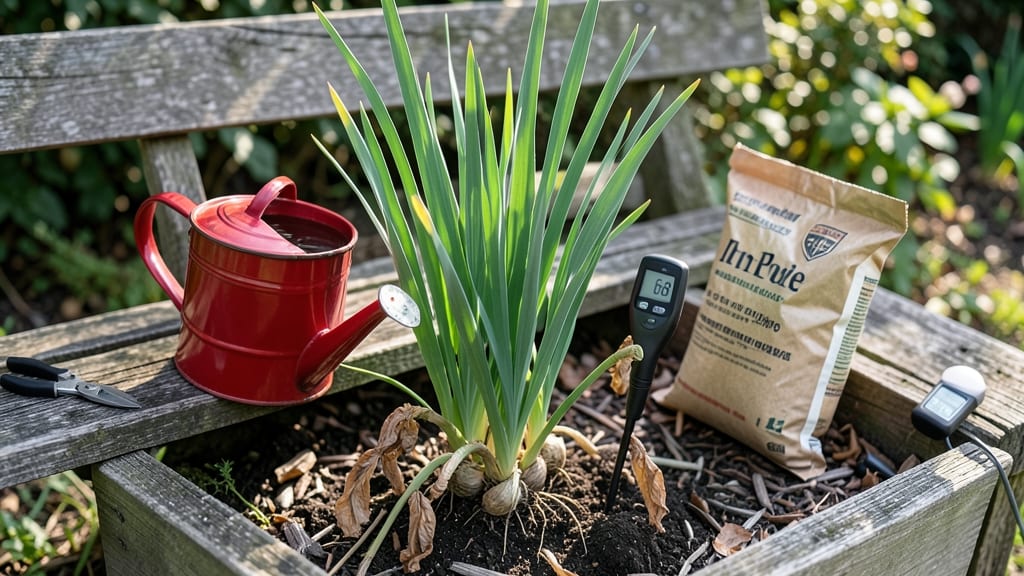
Why didn’t my iris bloom this year? The culprit is often one of three overlooked care triggers: sunlight deprivation, nutrient imbalances, or pushing the plant past its natural dormancy cycle. Most gardeners assume irises just "need time," but the truth is more precise. The first step is checking sunlight exposure—irises demand 6+ hours of direct sun daily, and even partial shade can delay blooming. Then there’s the fertilization mystery: too much nitrogen (the "leafy green" booster) starves flowers, while too little phosphorus (the "bloom trigger") leaves them dormant. Age matters too—older rhizomes often skip blooming until divided. Here’s the fix: prune spent foliage in late summer, feed with low-nitrogen, high-phosphorus fertilizer in early spring, and ensure they get their full sun. Within a season, you’ll see those classic sword-shaped blooms return—vibrant and bountiful—just like they should. Seasonal timing is everything with irises. They need a cool winter dormancy to rebloom, so avoid fertilizing after midsummer or watering excessively in fall. My own irises came back strong after I stopped watering them in September—now they bloom reliably every spring and sometimes again in late summer. For preventive care, divide clumps every 3-4 years to refresh growth, and mulch lightly in winter to protect roots without smothering them. The key is balance: enough sun, the right nutrients, and respecting their natural cycle. Your irises aren’t lazy—they’re waiting for the perfect conditions.
Hidden Reasons Your Iris Skipped Bloom
If your iris plants are looking lush but stubbornly bloom-free this year, don’t assume it’s just bad luck. A few sneaky factors—often overlooked—can sabotage their flowering cycle. Let’s break down the real culprits behind your iris’s silent protest, backed by science and actionable fixes.
Iris thrives on full sun (6–8 hours daily), but many gardeners underestimate how much light their plants truly need. When light drops below this threshold—due to shade from trees, buildings, or even neighboring plants—your iris won’t trigger bloom hormones.
- Why it happens: Iris blooms require photosynthesis-driven energy to produce flower buds. Low light weakens the rhizomes, redirecting resources to leaf growth instead of blooms.
- Actionable fix:
- 🔍 Audit your garden: Use a light meter or observe shadows at different times of day. If your iris gets <4 hours of direct sun, it’s likely the culprit.
- ✂️ Prune aggressively: Trim back overgrown shrubs or trees casting shade. Even partial shade (e.g., morning sun + afternoon shade) can stunt blooms.
- 🌞 Consider relocation: If shade is unavoidable, move potted iris to a sunnier spot before next spring’s growth spurt.
Pro tip: 💡 Southern exposure (in the Northern Hemisphere) is ideal—iris blooms often face east or south for maximum morning light.
Iris is famously drought-tolerant, but watering extremes—whether soggy soil or chronic dryness—can halt flowering. The key? Consistent moisture without waterlogging.
- Why it happens:
- Overwatering: Saturated soil suffocates roots, starving them of oxygen and triggering root rot (a fungal issue). Weak roots can’t support flower production.
- Underwatering: Stress from dry soil forces the plant to conserve energy, pausing bloom development until conditions improve.
- Actionable fix:
- 📊 Test your soil: Stick your finger 2–3 inches deep. If it’s damp, hold off on watering. If bone-dry, give a deep soak (1–2 inches of water) and repeat every 7–10 days.
- 🌧️ Improve drainage: Amend heavy clay soil with coarse sand or grit (1 part sand to 3 parts soil). Elevate rhizomes slightly to prevent rot.
- 🚫 Avoid overhead watering: Wet foliage encourages thrip infestations, which stress plants and reduce blooms.
Pro tip: 🌡️ Mulch lightly (1–2 inches of gravel or bark) to retain moisture without smothering roots.
Iris is not a heavy feeder, but fertilizer mistakes—like overdoing nitrogen or skipping key micronutrients—can derail blooms. Think of it like a diet: too many carbs (nitrogen) = no flowers, just leaves!
- Why it happens:
- Excess nitrogen: Promotes leafy growth at the expense of flowers. Common in lawn fertilizers or overzealous spring feedings.
- Phosphorus/potassium deficiency: These nutrients are critical for flower bud formation. Poor soil or leaching (from overwatering) depletes them.
- Micronutrient gaps: Lack of boron, magnesium, or iron can stunt bloom development, even with balanced NPK ratios.
- Actionable fix:
- 📊 Soil test first: A home test kit (or lab analysis) reveals pH and nutrient levels. Iris prefers pH 6.0–7.0.
- 💊 Feed smart: Use a low-nitrogen, high-phosphorus fertilizer (e.g., 5-10-10 ratio) in early spring (before shoots emerge) and again after blooming.
- 🌱 Boost micronutrients: Add Epsom salt (magnesium sulfate) or a chelated iron supplement if yellowing leaves appear.
Pro tip: ✨ Avoid fresh manure or compost near rhizomes—it can burn roots and disrupt blooming.
Iris is sensitive to timing. A single misstep—like dividing rhizomes in summer or pruning too late—can send your plant into a dormant recovery mode instead of blooming.
- Why it happens:
- Dividing after June: Iris rhizomes need 6–8 weeks to regenerate roots before winter. Dividing in late summer/fall leaves them vulnerable to frost and unable to bloom the next year.
- Pruning after blooming: Cutting back foliage too soon (before it yellows) starves rhizomes of stored energy for next year’s blooms.
- Over-pruning flower stalks: Leaving 1–2 inches of stalk after blooms allows nutrients to return to the rhizome.
- Actionable fix:
- ⏰ Divide in early spring or late summer: May–June is ideal. Discard old, mushy rhizomes and replant firm ones with fan of roots facing down.
- ✂️ Prune foliage correctly: Wait until it turns yellow/brown (usually late summer). Cut back to 2–3 inches above the rhizome.
- 🌸 Leave seed pods (if desired): But remove them after they brown to avoid draining energy.
Pro tip: 🎯 Mark your calendar! Iris blooms on last year’s growth—don’t disturb plants until after they’ve finished flowering.
Hidden invaders like thrips, iris borers, or fungal infections can devastate rhizomes without obvious signs. By the time you notice wilting or stunted growth, your iris
Revive Your Irises Now
Got non-blooming irises? Don’t panic—there’s a fix for every cause! Below, we’ll map the most common reasons your iris failed to bloom this year to practical, step-by-step solutions—plus prevention tips to keep your plants thriving next season.
Problem: Irises need space to grow strong rhizomes (those thick, fleshy roots). When roots get too crowded, energy goes into survival instead of blooms.
How to Fix It: 🔥 Divide and Conquer – Every 3–4 years, dig up your iris clumps in late summer or early fall (after blooming). Use a spade to gently lift the rhizomes, shaking off old soil.
👨🍳 Replant Properly – Trim off leaves that are yellow or brown (keep only the healthy, fan-shaped ones). Cut back old flower stems at the base. Replant rhizomes 1–2 inches deep, with 1/3 of the rhizome above soil (this prevents rot).
💡 Pro Tip: Space rhizomes 12–24 inches apart in well-draining soil. If your soil is heavy clay, mix in sand or compost to improve drainage.
Problem: Too much or too little water stresses irises, stunting blooms. They need consistent moisture but hate soggy roots.
How to Fix It: 🍳 Water Deeply, Not Frequently – Irises prefer 1 inch of water per week, delivered deeply (soak the soil 6–8 inches down). Use a drip irrigation system or water at the base (avoid wetting leaves to prevent disease).
⏰ Adjust for Seasons –
- Spring/Summer: Water 1–2 times per week (more in extreme heat).
- Fall/Winter: Reduce watering—irises enter dormancy and need less moisture.
🎯 Drainage Check – If your garden has poor drainage, raise beds or plant irises on a slope to prevent waterlogging.
Problem: Irises need specific nutrients to bloom. Too much nitrogen (from lawn fertilizer) = lush leaves, no flowers. Too little phosphorus = weak roots and blooms.
How to Fix It: 📊 Feed Smart – Use a balanced, low-nitrogen fertilizer (like 5-10-10) in early spring (just as leaves emerge). Avoid high-nitrogen lawn fertilizers—they’ll give you foliage, not flowers!
💪 Boost Phosphorus – Mix bone meal or rock phosphate into the soil at planting time to encourage root and bloom growth.
✨ Organic Options – Try composted manure or worm castings in early spring for a slow-release nutrient boost.
Problem: Cutting back irises at the wrong time or too aggressively removes energy stores needed for next year’s blooms.
How to Fix It: ✂️ When to Prune:
- After blooming: Remove spent flower stalks at the base (this redirects energy to rhizomes).
- Fall cleanup: Trim yellow or dead leaves (but leave healthy green fans until spring—they store energy!).
🌿 Never Cut Healthy Leaves – Wait until spring to trim any remaining dead foliage (after new growth appears).
Problem: Irises need full sun (6+ hours daily) and cool roots to bloom. Too much heat or shade = weak flowers.
How to Fix It: ☀️ Move to Sun – If your irises are in shade, relocate them to a sunnier spot. Even partial shade can reduce blooms.
🌡️ Cool the Roots – Mulch around the base with 2–3 inches of gravel or straw to keep rhizomes cool in summer.
🔥 Heatwave Help – If your area has extreme summer heat, provide light shade (like a sheer cloth) during peak afternoon sun.
Problem: Iris borers, aphids, or fungal diseases (like leaf spot) can weaken plants, preventing blooms.
How to Fix It: 🐜 Spot & Treat Pests:
- Iris borers: Look for sawdust-like frass or chewed leaves. Treat with neem oil or Bt (Bacillus thuringiensis) spray in early summer.
- Aphids: Blast off with water or use insecticidal soap.
🌿 Prevent Fungal Issues:
- Remove infected leaves immediately.
- Space plants for airflow (prevents moisture buildup).
- Avoid overhead watering (water at the base instead).
Want guaranteed blooms next season?
Follow this simple maintenance plan: ✅ Divide clumps every 3–4 years (late summer/fall). ✅ Fertilize with low-nitrogen, high-phosphorus food in spring. ✅ Water deeply but infrequently (1 inch/week, adjust for seasons). ✅ Prune only spent blooms—never cut healthy leaves! ✅ Monitor for pests and treat early. ✅ Ensure full sun (6+ hours daily).
Final Thought: Most iris blooming issues come down to one (or two) fixable mistakes—overcrowding, watering, or nutrients. Try these solutions this fall, and you’ll likely see stronger rhizomes and bigger blooms next spring! 🌸
Frequently asked questions
Why do my irises have lots of leaves but no flowers?
This is usually a sign of too much nitrogen in your soil. Nitrogen promotes leafy growth at the expense of blooms. Check your fertilizer—high-nitrogen lawn fertilizers are often the culprit. Switch to a low-nitrogen, high-phosphorus fertilizer (like 5-10-10) in early spring to encourage flowering instead.
Can I still get blooms if I planted my irises in partial shade?
Irises need 6+ hours of direct sun daily to bloom properly. While they might survive in partial shade, you'll likely see fewer or smaller blooms. If possible, relocate them to a sunnier spot before next spring's growth cycle begins. Even morning sun with afternoon shade can help, but full sun yields the best results.
How do I know if my irises are overcrowded?
Look for clumps where the rhizomes (thick roots) are growing on top of each other. Healthy iris rhizomes should be spaced about 12-24 inches apart. When they're too close, the plant diverts energy to maintaining the crowded system rather than producing flowers. Divide your clumps every 3-4 years in late summer for best results.
Will cutting back my iris leaves after blooming affect next year's flowers?
Yes! Never cut back healthy green leaves after blooming—they store energy for next year's flowers. Only remove spent flower stalks at the base and wait until the leaves turn yellow/brown (usually late summer) to trim them back to 2-3 inches above the rhizome. This preserves the energy your irises need to bloom again.
Could pests be preventing my irises from blooming?
Common culprits like iris borers, aphids, or fungal infections can weaken your plants. Check for chewed leaves, sawdust-like frass, or yellow spots. Treat with neem oil for pests or remove infected leaves immediately. Proper spacing and avoiding overhead watering can also prevent many issues. Early detection is key to saving your blooms.