
Blooming
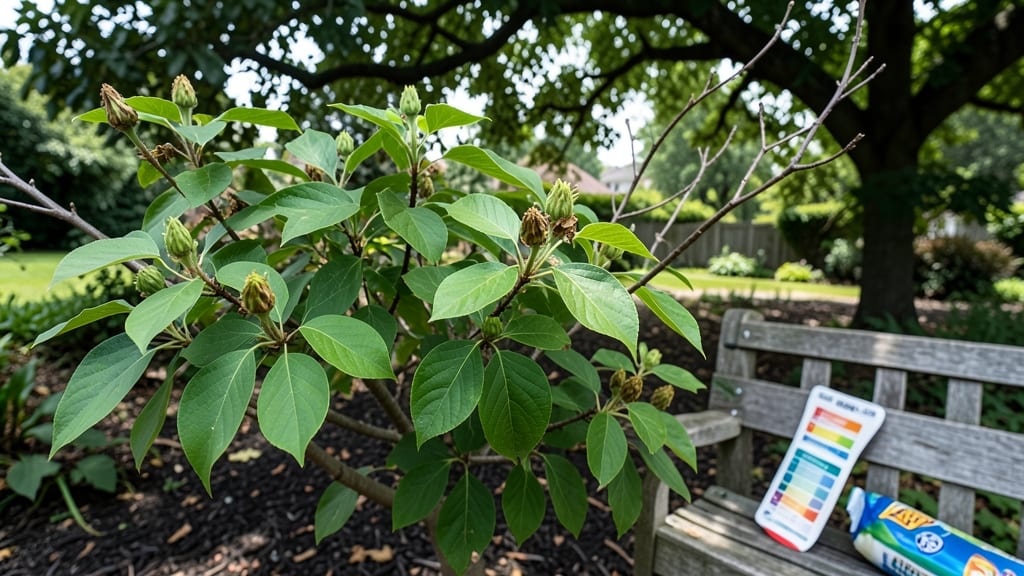
Your dogwood tree didn’t bloom this year—and I’ve been there, staring at bare branches where pink clouds should be. 🌸 The good news? This is almost always fixable with light, heat, and care adjustments that’ll have next season’s blooms looking better than ever.
Most blooming failures come down to three things: not enough sunlight (dogwoods need 6+ hours daily), late-season heat stress, or pruning at the wrong time. I’ve seen trees recover completely after just one season of proper care—it’s all about timing and consistency.
Start by checking your tree’s light exposure and watering habits. Dogwoods hate soggy roots but need steady moisture during bloom season. A light feeding of balanced fertilizer in early spring can also wake up dormant buds. By next spring, you’ll see those iconic blooms returning stronger than before.
If your tree is young or struggling, don’t worry—it might just need a year to recover. The key is patience and the right adjustments now. Let’s get your dogwood back on track for a spectacular next season.
Root Causes Behind Missing Blooms
When your dogwood tree skips its usual spring show, it’s often a sign that something fundamental has gone awry. Understanding these causes helps you take targeted action for a more reliable bloom next season. Here’s why your dogwood might be playing hide-and-seek with its flowers:
---
Dogwoods (Cornus florida) are dormant-season dependent, meaning they need a specific number of cold hours (typically 400–1,000 hours below 45°F) to trigger bud formation.
Without enough chilling: - Bud development stalls before flowers can form. - Mild winters (especially in warmer climates) can disrupt this process. - Unpredictable freezes (like early thaws followed by late cold snaps) confuse the tree’s internal clock.
Actionable fix: - Monitor your local chill hours using a home weather station or [USDA Plant Hardiness Zone maps](https://planthardiness.ars.usda.gov/). - If your area consistently lacks chill hours, consider selecting a low-chill cultivar (e.g., ‘Cherokee Brave’ or ‘Rubra’).
---
Dogwoods thrive in USDA Zones 5–9, but they’re sensitive to: - Sudden heatwaves in late winter/early spring, which can force buds to open prematurely—only for a late frost to fry them. - Heat stress during bloom time (above 90°F), which can cause flowers to wilt or drop before pollination.
Actionable fix: - Mulch heavily (3–4 inches of organic mulch) to regulate soil temperature. - Provide afternoon shade with a lightweight shade cloth (30–50%) during extreme heatwaves. - Avoid pruning in late winter—wait until after blooming to prevent stressing the tree.
---
Dogwoods need consistent moisture, but too much or too little throws off their metabolism: - Drought stress → Reduced energy for flowering (the tree prioritizes survival over blooms). - Soggy soil → Root rot (Phytophthora fungus), which weakens the tree and diverts energy away from flowers. - Fluctuating moisture (e.g., dry spells followed by heavy rains) shocks the roots, stunting growth.
Actionable fix: - Water deeply 1–2 times per week (1–1.5 inches total) during dry spells, focusing on the root zone (not the canopy). - Improve drainage by amending clay soil with compost or sand (test drainage with a simple [percolation test](https://extension.umaine.edu/publications/2080e/)). - Avoid overhead watering—use drip irrigation or soaker hoses to prevent fungal issues.
---
Dogwoods prefer partial shade (4–6 hours of sun daily), but too much or too little light can sabotage blooms: - Too much sun → Leaf scorch and heat stress, reducing the tree’s ability to photosynthesize and store energy for flowers. - Too little light → Weak growth, leading to smaller or no flowers as the tree focuses on foliage instead.
Actionable fix: - Plant in a location with morning sun and afternoon shade (e.g., near a building’s east side). - Thin nearby trees/shrubs to allow dappled sunlight to reach the canopy. - Avoid reflective surfaces (like pavement) that can overheat the tree.
---
Dogwoods are light feeders, but deficiencies in key nutrients can halt flowering: - Nitrogen (N) deficiency → Pale yellow leaves and reduced overall vigor (less energy for blooms). - Phosphorus (P) deficiency → Stunted growth and fewer flower buds. - Potassium (K) deficiency → Weak stems and poor disease resistance, stressing the tree. - Excess fertilizer → Burned roots or overgrowth of leaves at the expense of flowers.
Actionable fix: - Test your soil (use a [DIY kit](https://www.gardenguides.com/soil-testing-kits/) or send a sample to your local Cooperative Extension). - Apply a balanced, slow-release fertilizer (e.g., 10-10-10) in early spring—avoid high-nitrogen formulas. - Use organic amendments like compost or worm castings to improve soil health naturally.
--- Hidden threats can devour buds, leaves, or roots, leaving your dogwood too weak to bloom: - Dogwood borers → Larvae tunnel into the trunk, disrupting nutrient flow. - Powdery mildew → Covers leaves, reducing photosynthesis and energy for flowers. - Anthracnose fungus → Black spots on leaves, causing premature leaf drop and bud death. - Deer or rabbits → Chewing buds or new growth before flowers can form.
Actionable fix: - Inspect the tree annually for sawdust-like frass (borer sign) or fungal spots. - Apply neem oil (for pests) or copper fungicide (for mildew) preventively in early spring. - Use physical barriers (like tree guards) to protect young trees from wildlife.
--- - Young trees (under 5 years) may not bloom yet—they’re focusing on root and trunk development. - Over-pruning (especially heading back branches) removes next year’s flower buds, which form on old wood in dogwoods.
Actionable fix: - Avoid heavy pruning—only remove dead, diseased, or crossing branches. - Prune immediately after blooming (late spring) to preserve next year’s buds. - Be patient—mature dogwoods (10+ years) may bloom less frequently but can recover with proper care.
Revive Your Dogwood’s Blooms
If your dogwood skipped its usual spring show, don’t panic—there are practical ways to coax it back to life. Below, we’ve mapped the most common causes to simple, actionable fixes, along with tips to prevent future disappointments.
---
Cause: Dogwoods thrive in dappled sunlight or partial shade. Too much direct sun or deep shade can stress the tree, delaying—or even preventing—blooms.
Fix It: - 🔍 Assess sunlight: Observe your dogwood’s location from sunrise to sunset. If it’s baking in full sun (especially in hot climates), consider thinning nearby trees or relocating the plant to a spot with morning sun and afternoon shade. - 🌿 Prune strategically: If overhanging branches are blocking light, trim them in late winter or early spring (before buds swell). Avoid heavy pruning now—focus on opening up the canopy gradually. - 🌳 Consider transplanting: If the site is permanently too shady (e.g., under dense evergreens), carefully transplant the dogwood to a sunnier spot in early fall or late winter. Water deeply for the first month post-move.
Prevent It: - 📏 Plant in the right place: Before buying a dogwood, scout the location. Aim for 4–6 hours of filtered light daily. - 🌿 Mulch wisely: Use 2–3 inches of organic mulch (like shredded bark) to regulate soil temperature and retain moisture—but keep mulch 6 inches away from the trunk to avoid rot.
---
Cause: Dogwoods are sensitive to heatwaves and dry spells. Extreme temperatures can cause buds to drop before opening, or flowers to wither.
Fix It: - 💧 Deep watering: Soak the root zone (12–18 inches deep) every 5–7 days during dry spells. Use a soaker hose or drip irrigation to avoid wetting leaves (which encourages fungal diseases). - 🌡️ Shade cloth: If your area experiences scorching summers, drape lightweight shade cloth (30–50% coverage) over the tree during peak heat (10 AM–4 PM). Remove it in cooler months. - 🌿 Improve soil drainage: Amend heavy clay soil with compost or organic matter to help roots absorb water efficiently. Test soil pH (ideal: 5.5–6.5) and adjust with sulfur or lime if needed.
Prevent It: - 💡 Mulch heavily: Extend mulch rings to 3 feet wide to insulate roots and reduce evaporation. - 🌧️ Drip irrigation: Install a slow-release system to deliver consistent moisture, especially in new plantings.
---
Cause: Late frosts, freezing winds, or desiccating winter sun can damage flower buds before they open.
Fix It: - 🌳 Wrap the trunk: Use burlap or tree wrap to shield the trunk from winter sunburn (common in bright, cold winters). Remove it in early spring. - 🔪 Prune damaged branches: After the last frost, trim any branches with dead, cracked, or blackened bark. Sterilize pruners with rubbing alcohol to prevent disease spread. - 🌿 Fertilize lightly: Apply a balanced, slow-release fertilizer (10-10-10) in early spring to encourage new growth. Avoid high-nitrogen fertilizers—they promote foliage over flowers.
Prevent It: - ❄️ Choose cold-hardy varieties: If you’re in Zone 5 or colder, opt for Cornus florida ‘Cherokee Brave’ or Cornus kousa, which tolerate frost better. - 🌿 Plant in sheltered spots: Avoid exposed hillsides or wind tunnels. A fence or building can act as a natural windbreak.
---
Cause: Fungal infections (like anthracnose) or pests (e.g., borers, scale) can weaken dogwoods, causing poor blooming.
Fix It: - 🔍 Inspect leaves: Look for dark spots, wilting, or sawdust-like frass (pest droppings). Scrape a small area of bark to check for tunnels (sign of borers). - 💊 Apply fungicide: Spray with a copper-based fungicide (for anthracnose) in early spring and after rains. For pests, use horticultural oil or insecticidal soap in late winter. - 🌿 Remove debris: Rake up fallen leaves and prune out infected branches to reduce spore/pest populations.
Prevent It: - 🌿 Space plants properly: Give dogwoods 15–20 feet of clearance to improve airflow and reduce humidity (which fuels fungi). - 💡 Prune for airflow: Thin the canopy to let sunlight and air circulate through the center.
--- Cause: Dogwoods need consistent nutrients, especially phosphorus and potassium, for blooming.
Fix It: - 📊 Soil test first: Send a sample to your local cooperative extension for a pH and nutrient analysis. Dogwoods prefer slightly acidic soil (pH 5.5–6.5). - 🌱 Top-dress with compost: Spread 2–3 inches of compost around the drip line (not the trunk) in early spring. Water thoroughly to incorporate. - 💊 Use bloom boosters: Apply a phosphorus-rich fertilizer (like 5-10-10) in early spring, then switch to a balanced formula (10-10-10) in summer.
Prevent It: - 🌿 Avoid over-fertilizing: Too much nitrogen (e.g., from lawn fertilizer) leads to lush leaves but fewer flowers. Stick to bloom-specific formulas.
--- - 📅 Bloom timing: Dogwoods set buds the year before they flower. Focus on care now to ensure next year’s show. - 🌿 Monitor moisture: Dogwoods hate soggy roots.
Ensure drainage is adequate, especially in clay soils. - 🌳 Patience pays: If your tree is young (under 5 years), it may not bloom annually. Give it time to establish.
--- With these fixes, your dogwood should rebound—and next spring, you’ll be rewarded with a dazzling display of white, pink, or red blooms. 🌸✨
Frequently asked questions
My dogwood is over 10 years old—why isn’t it blooming anymore?
Mature dogwoods often bloom less frequently as they age, especially if they’ve experienced stress like drought, disease, or improper pruning. Check for signs of nutrient deficiencies (yellow leaves) or root issues (mushy bark). A light feeding of phosphorus-rich fertilizer in early spring can sometimes revive blooming in established trees.
Can I force my dogwood to bloom earlier by pruning now?
No, pruning at the wrong time can actually prevent blooming! Dogwoods form flower buds on old wood the year before blooming, so prune only after flowers fade (late spring). Cutting now removes next year’s potential blooms. Wait until summer to shape the tree.
What’s the fastest way to tell if my dogwood has enough chill hours?
Check your local USDA Plant Hardiness Zone—dogwoods typically need 400–1,000 hours below 45°F annually. Use a home weather station or your local cooperative extension’s records. If you’re in Zone 8+, consider low-chill varieties like ‘Cherokee Brave’ for more reliable blooms.
Are my dogwood’s buds already damaged if they’re brown and crunchy?
Yes, brown/crunchy buds are usually dead—likely from freeze damage or drought stress. Prune them off now, then focus on deep watering and mulching to protect next year’s buds. Apply a balanced fertilizer in early spring to encourage new growth.
Will moving my dogwood to a sunnier spot help it bloom next year?
Possibly! Dogwoods need 4–6 hours of filtered sunlight daily. If your tree is in deep shade, transplant it to a spot with morning sun and afternoon shade in early fall or late winter. Water deeply for the first 30 days to reduce transplant shock.