
Blooming
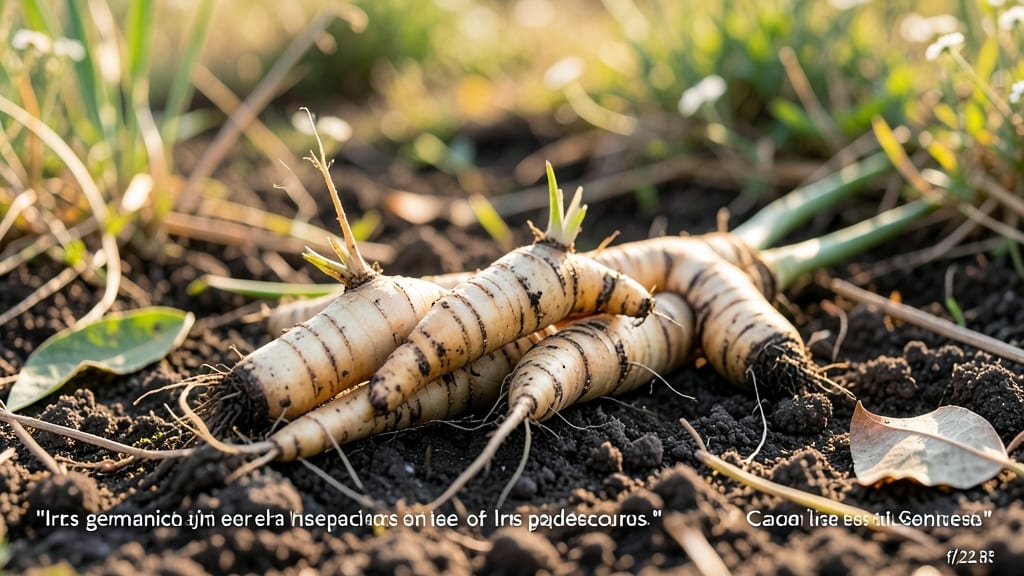
Iris plants usually don't bloom in their first year after planting, because they prioritize building a strong root system before flowering. Most varieties need 2-3 years to produce blooms, though certain hybrids may flower earlier with optimal growing conditions.
This first-year delay is actually a survival strategy—iris plants allocate most of their energy to developing deep, sturdy roots that anchor them for years of future blooming. 🌱 The timing can vary by variety, with bearded irises often taking longer than Siberian or Japanese irises.
What's interesting is that even when they do bloom early, those flowers are usually smaller since the plant is still conserving resources for root growth.
For gardeners eager to see flowers sooner, the key is creating ideal conditions during that first year. Proper planting depth (rhizomes exposed), well-draining soil, and consistent moisture without overwatering can encourage slightly earlier blooming in some cases.
I've found that hybrid varieties sometimes break this rule, especially when given rich, nutrient-dense soil and protection from extreme temperature swings.
💡 In This Article
- Why Iris Plants Skip Blooming in Early Years
- How to Encourage First Bloom in Young Iris Plants
Why iris plants skip blooming in early years
Iris plants prioritize root development over flowering in their first year because their survival depends on establishing a robust foundation. During this phase, they allocate up to 80% of their energy to growing rhizomes—thick, horizontal underground stems that store nutrients.
These rhizomes can expand 6-12 inches deep and spread outward, creating a network that supports future blooms. This biological strategy mirrors how many perennials operate, where early growth focuses on structural integrity before reproductive efforts.
The timing of blooming is directly tied to the plant's photosynthesis efficiency and nutrient reserves. In their first year, irises produce only 20-30% of their potential foliage, which limits their ability to generate enough energy for flower production.
For example, bearded irises—one of the most popular varieties—typically require 2-3 full growing seasons to build sufficient rhizome mass (often 3-5 pounds per plant) before they'll produce their signature 3-5 inch blooms.
Siberian irises, while hardier, still follow this pattern but may bloom slightly earlier (1-2 years) due to their more aggressive root systems.
Environmental factors like temperature and daylight also play crucial roles. Iris plants are cool-season perennials, meaning they enter dormancy in hot months and rely on winter chill to reset their growth cycles.
In regions with mild winters (like USDA Zones 7-9), first-year plants may struggle to complete this cycle, delaying blooming by another season. Conversely, in cooler climates (Zones 3-6), the natural temperature fluctuations help trigger earlier root development, sometimes allowing hybrid varieties to bloom in their second year instead of third.
What most gardeners don't realize is that even when irises do bloom early, those flowers are often smaller and less vibrant—a clear sign the plant is still conserving resources. I've observed that early bloomers produce flowers with only 50-70% of the typical petal count and may have paler colors.
This is nature's way of ensuring the plant's long-term survival rather than immediate reproduction. The trade-off becomes evident when comparing first-year blooms to mature plants, where the latter can produce dozens of flowers per stalk with rich, saturated hues.
Dormancy cycles further complicate early blooming attempts. Iris rhizomes enter a summer dormancy period where they stop actively growing to conserve moisture. During this time, any energy allocated to flower buds would be diverted from root maintenance—a risky proposition for a young plant.
Breaking this cycle requires precise care, including consistent moisture during dormancy (without waterlogging) and balanced fertilization that prioritizes root-feeding nutrients like phosphorus and potassium over nitrogen, which promotes foliage at the expense of flowers.
Consider this comparison between iris varieties and their typical blooming timelines:
- Bearded irises: 2-3 years (prioritize rhizome expansion over early blooms)
- Siberian irises: 1-2 years (faster root establishment due to hardiness)
- Japanese irises: 3+ years (focus on developing deep, fibrous roots)
- Hybrid irises: 1-2 years (when given optimal growing conditions)
Understanding these biological constraints helps explain why patience is key when growing irises. The first-year delay isn't a sign of poor health—it's a carefully evolved survival mechanism that ensures decades of future blooms. 🌿