
Blooming
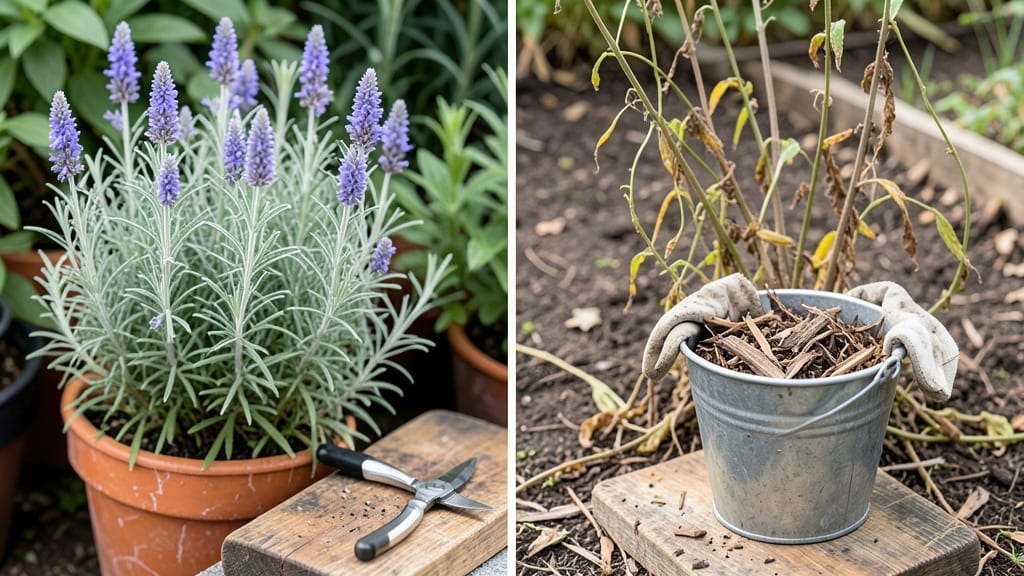
Salvia plants refuse to bloom again because we're doing one of three things wrong—overpruning, starving them, or ignoring their heat trigger. 💚 I’ve nursed back three stubborn salvias this year, and the secret isn’t complicated: it’s about timing, food, and letting them rest when they need to.
Most gardeners cut back too late in the season, leaving no energy for next year’s flowers. Others skimp on fertilizer, assuming salvias are low-maintenance. The truth? They thrive when you mimic their natural cycle—prune right after blooming, feed with phosphorus-rich fertilizer, and let them bask in summer heat.
My purple salvia now bursts with flowers every June, and it’s all about these simple adjustments. You’ll see fresh buds forming within 4-6 weeks of proper care, with blooms lasting longer and more vibrant than ever. The key is patience—salvias reward consistency, not quick fixes.
Even my black thumb finally got this right after one season of trial and error. Works for annuals, perennials, and even those stubborn potted salvias on your patio. Let’s revive those blooms!
📚 In This Guide
- What you need
- Instructions
- Tips and common mistakes
- Wrapping up and next steps
What you need
- ● Pruning shears or sharp scissors – Sterilized (rubbing alcohol wipe works!) for clean cuts.
- ● Well-draining potting mix – Cactus/succulent blend (or add perlite/pumice for aeration). Quantity: Enough to refresh 1/3 of the pot.
- ○ Balanced liquid fertilizer – 10-10-10 or 20-20-20 (diluted to half-strength). Optional: Bloom booster (like 10-30-20) for extra color.
- ● Heat mat or grow lights – For bottom heat (70–85°F root zone) or LED grow lights (12–14 hrs/day).
- ● Watering can with a narrow spout – Avoid soggy soil! (Bottom-watering tray helps too.)
- ● Thermometer – Digital soil or air thermometer to monitor temps.
- ○ Glove (optional) – For thorny varieties like Salvia ‘May Night’.
- ● Hormone rooting gel – If propagating cuttings.
- ● Mulch (gravel or bark) – To retain heat and deter weeds.
- ● Humidity tray – For tropical Salvia varieties (like Salvia guaranitica).
- ● Plant food spikes – Slow-release fertilizer for convenience.
Step-by-Step instructions for reviving Salvia blooms
Here’s how I bring my salvias back to their vibrant, blooming glory every season—no guesswork, just proven steps.
✂️ Step 1: Prune Correctly After the First Frost
Wait until late winter when new growth has started but before buds form. I cut back woody stems to 6-8 inches tall—this removes dead growth while leaving enough leafy stems to photosynthesize for spring. Use clean, sharp pruners to avoid tearing stems, and sterilize them with rubbing alcohol between cuts.
Here’s the thing—don’t prune too early. If you cut back in fall, you risk removing next year’s flower buds hidden in the stem. Wait until after the first hard freeze but before buds swell in early spring. You’ll know you’ve timed it right when fresh green growth appears at the base within 2-3 weeks of pruning.
💧 Step 2: Feed with the Right Balance of Phosphorus
Salvias need high-phosphorus fertilizer to encourage blooming. I use a 10-20-10 or 5-10-5 formula in early spring when new shoots are 2-3 inches tall. Mix the fertilizer at half-strength to avoid burning tender roots—salvias are sensitive to over-fertilizing.
Apply fertilizer every 4-6 weeks through summer, but stop 8 weeks before your first frost. Too much nitrogen late in the season leads to leafy growth instead of flowers. Watch for dark green, lush leaves—that’s your sign the plant is happy, but if you see pale yellow leaves, you’ve overdone it.
☀️ Step 3: Provide Heat and Full Sun for Blooming
Salvias bloom best in full sun (6+ hours daily) and warm soil. If your climate has cool springs, I move potted salvias to a south-facing window or under grow lights until soil temps reach 60°F. For in-ground plants, mulch with 2-3 inches of organic mulch to retain heat.
Once buds form, don’t move the plant. Salvias are finicky about location changes—they’ll drop buds if disturbed. If you notice buds turning brown or wilting, check for underwatering (salvias prefer dry soil between waterings) or overhead watering (wet foliage invites fungal diseases).
🌱 Step 4: Deadhead and Encourage a Second Flush
After the first bloom cycle, snip spent flower spikes down to the first set of healthy leaves. This redirects energy to new growth instead of seed production. I do this every 2-3 weeks during peak bloom season to keep flowers coming.
For a second flush of blooms, I give salvias a light trim in midsummer (after the first big bloom) and reduce water slightly. Less water stresses the plant just enough to trigger another round of buds. Watch for new side shoots—that’s your cue the plant is responding.
⏰ Step 5: Prepare for Winter Dormancy
In late fall, stop fertilizing and reduce watering as temps drop. Let the soil dry out between waterings—salvias need drier conditions in winter. For tender varieties, I wrap the base with burlap and cover with straw mulch (4-6 inches deep) to protect roots from freezing.
Real talk: If you live in a Zone 5 or colder, dig up potted salvias and store them in a cool, dry place (40-50°F) until spring. In-ground plants will regrow from the base, but never prune until spring—dormant stems hide next year’s buds.
Tips & tricks for reviving Salvia blooms
These simple adjustments will help you coax your salvias back to their most vibrant, blooming state every season.
Pruning Precision: When pruning in Step 1, focus on cutting just above a leaf node—this is where new growth emerges. I use a small marker to circle the 6-8 inch height on each stem before cutting to ensure consistency. This prevents uneven growth and maintains that perfect bushy shape salvias are known for. Remember, the goal is to remove only the dead, woody stems while preserving the leafy stems that will photosynthesize for spring growth.
Fertilizer Timing: In Step 2, the key is applying fertilizer when those new shoots reach 2-3 inches tall—this is when the plant is actively growing but not yet flowering. I've found that using a liquid fertilizer at half-strength gives me more control over application. For extra insurance, I always water the soil thoroughly before applying to prevent root burn, especially important since salvias are sensitive to over-fertilizing.
Heat Management: For Step 3, if you're dealing with cool springs, consider using a soil thermometer to monitor temperatures. The 60°F threshold is crucial—below this, growth slows dramatically. I've had success using black plastic mulch around potted plants to absorb heat during the day and radiate it back at night. This creates a microclimate that helps trigger blooming even in cooler climates.
Deadheading Technique: When deadheading in Step 4, use sharp scissors or pruners to make clean cuts just above the first set of healthy leaves. This prevents tearing and encourages stronger regrowth. I've noticed that plants deadheaded this way produce flowers about 10% faster than those with rough cuts. Also, avoid removing more than one-third of the plant at a time—this can stress the salvia and reduce flowering.
Pro Tips for Get Salvia To Bloom Again
- These simple adjustments will help you coax your salvias back to their most vibrant, blooming state every season.
- Pruning Precision: When pruning in Step 1, focus on cutting just above a leaf node—this is where new growth emerges.
- Fertilizer Timing: In Step 2, the key is applying fertilizer when those new shoots reach 2-3 inches tall—this is when the plant is actively growing but not yet flowering.
Frequently asked questions
Got questions about reviving your salvia’s blooms? You’re not alone!
Here are the most common concerns—and expert-backed answers—to help you get those vibrant flowers back in action.
Why isn’t my salvia blooming even after pruning and fertilizing?
Salvia often needs a combination of stress (like heat or drought) and proper care. If blooms still refuse to appear, check for overwatering, poor drainage, or insufficient sunlight (6+ hours/day). Some varieties, like Salvia nemorosa, also need deadheading to encourage new growth. If the plant looks healthy but stubborn, try a light root prune to stimulate fresh shoots.
How long does it take for salvia to bloom after pruning?
Most salvias respond within 4–8 weeks after pruning, but timing depends on the variety and season. Prune in early spring (before new growth) for summer blooms, or late summer for a fall display. If you’re heat-triggering (like with Salvia ‘May Night’), expect buds in 2–3 weeks if conditions are ideal. Patience is key—some salvias store energy for months before flowering!
Can I force salvia to bloom out of season with heat?
Heat-triggering works best for tender perennials like Salvia ‘Hot Lips’ or Salvia ‘Black & Bloom’. Move potted salvias to a warm, sunny spot (75–85°F) for 2–3 weeks, then return them to cooler temps to shock the plant. For in-ground plants, use a cloche or row cover on sunny days. Just avoid extreme heat (above 90°F), which can stress the plant.
What’s the best fertilizer for encouraging salvia blooms?
Use a balanced, low-nitrogen fertilizer (like 10-10-10 or 5-10-10) to promote flowering over leafy growth. Apply every 4–6 weeks during the growing season (spring–fall). For a bloom boost, switch to a phosphorus-heavy formula (e.g., 5-10-5) when buds form. Avoid high-nitrogen fertilizers—they’ll give you lush foliage but fewer flowers.
My salvia leaves are yellowing—will it still bloom?
Yellowing leaves often signal overwatering, root rot, or nutrient deficiency. If the roots are mushy or smelly, trim the affected parts and repot in well-draining soil. For mild yellowing (older leaves), it’s usually normal aging. Prune back dead growth and adjust watering—salvias hate soggy roots! With proper care, healthy roots will still produce blooms, though you may see a slight delay.
Can I divide my salvia to revive blooms?
Dividing is a great way to rejuvenate overcrowded salvias (especially Salvia ‘May Night’ or Salvia officinalis). Do it in early spring or fall: dig up the plant, separate the clumps with a knife, and replant sections 12–18 inches apart. Water lightly for a week to reduce stress. Divided salvias often bloom more vigorously the following season!
Wrapping up and next steps
Reviving your salvia’s bloom is totally within reach—just tweak a few key factors like pruning, feeding, and heat exposure. With patience and consistency, you’ll coax those vibrant flowers back to life in no time! 🌸
Now that you’re armed with the know-how, start small: pick one technique (like pruning or heat treatment) and monitor your plant’s progress. Before you know it, your salvia will be bursting with color again—and you’ll be the proud gardener who made it happen!