
Blooming
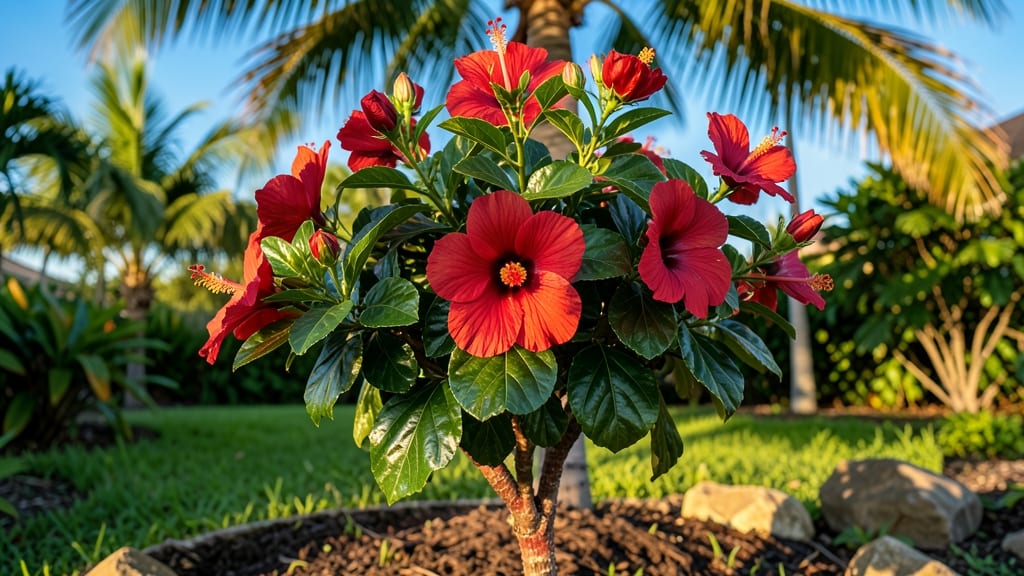
Hibiscus bloom in Florida from spring through fall 🌸, with peak colors arriving as early as March in coastal areas and stretching into October inland.
If you’ve ever dreamed of vibrant tropical blooms gracing your Florida garden, timing is everything—especially when it comes to hibiscus.
These stunning flowers thrive in Florida’s warm climate, but their blooming seasons vary wildly by variety, and knowing the exact window can mean the difference between a lush display and a missed opportunity.
Tropical hibiscus, like the showy Hawaiian varieties, often kick off blooms in late winter (February-March) along the coast, where milder temperatures give them an early start.
Inland areas in zones 9a-10a might see their first flowers as late as April, while hardier types like Rose of Sharon can bloom sporadically even in mild winters.
Below, I’ll break down the month-by-month timeline by variety, share tips to extend your hibiscus’ show, and reveal the one pruning trick that keeps them blooming longer—no matter where you are in the state.
Florida hibiscus blooming seasons by variety: tropical vs. hardy types
Florida’s warm climate makes it a paradise for hibiscus lovers, but not all varieties bloom at the same time. Tropical hibiscus (like Hawaiian and Chinese types) thrive year-round, while hardy hibiscus (such as Rose of Sharon) follow seasonal patterns.
Understanding these differences helps you plan for continuous color or peak bloom seasons in your garden.
In Florida’s zones 8-11, tropical hibiscus—native to warmer regions—typically bloom spring through fall, with a lull in winter. Hardy hibiscus, however, often wait for warmer spring temperatures before bursting into color.
Coastal areas like Miami may see year-round blooms in tropical types, while inland areas like Orlando might experience shorter bloom cycles due to cooler nights.
| Variety | Bloom Season | Peak Months | Notes |
|---|---|---|---|
| Tropical Hibiscus (Hibiscus rosa-sinensis) | Year-round (best in warm months) | April–October | Needs protection from frost; thrives in zones 10-11. |
| Hawaiian Hibiscus (Hibiscus brackenridgei) | Spring–Fall | May–September | Drought-tolerant; loves coastal humidity. |
| Chinese Hibiscus (Hibiscus rosa-sinensis 'Chinese') | Spring–Fall | June–August | Compact growth; great for containers. |
| Hardy Hibiscus (Hibiscus syriacus, Rose of Sharon) | Late Spring–Fall | July–October | Tolerates cooler temps; zones 5-9. |
| Dwarf Hibiscus (Hibiscus rosa-sinensis 'Dwarf') | Spring–Fall | April–September | Ideal for small gardens; blooms continuously. |
In North Florida (zones 8-9), hardy hibiscus like Rose of Sharon often bloom later in the season, starting around June or July, while tropical varieties may begin as early as March or April.
The key difference lies in temperature tolerance: tropical hibiscus need consistent warmth, while hardy types can handle milder fluctuations.
Humidity also plays a role—coastal areas with higher moisture levels may see longer bloom cycles in tropical hibiscus, while inland regions might experience shorter peaks due to drier air.
For example, Hawaiian hibiscus in Key West might bloom year-round, while the same variety in Tallahassee could take a winter break.
Sunlight exposure is another critical factor. Full sun (6+ hours daily) triggers blooming in most hibiscus varieties, but afternoon shade can help tropical types retain blooms longer in summer’s intense heat.
If your hibiscus isn’t blooming, check for shade issues or over-fertilizing with nitrogen, which promotes foliage over flowers.
For year-round color, mix tropical and hardy varieties in your garden. Plant Hawaiian hibiscus near patios for spring-to-fall blooms, while Rose of Sharon will shine in late summer and fall.
In South Florida (zones 10-11), you can even push tropical hibiscus to bloom in winter with light pruning and extra water.
Watch for bud drop, a common issue in Florida’s heat. This happens when temperature swings or low humidity stress the plant. To prevent it, water deeply in the morning and mulch around the base to keep roots cool.
A light fertilizer with high phosphorus (like 7-9-5) in spring and fall also encourages longer bloom seasons.
If you’re in Central Florida (zone 9), aim for a spring planting of tropical hibiscus to enjoy summer blooms. Hardy types planted in fall will establish roots before their late-spring bloom.
With the right variety and care, your Florida garden can be a hibiscus paradise with color from spring to frost.
Pro tip: Deadhead spent blooms regularly to encourage new flowers. In tropical hibiscus, this can double your bloom count during peak season! 🌸
How to extend hibiscus blooms in Florida: pruning, fertilizing, and care tips
Florida’s warm climate gives hibiscus a head start on blooming, but without the right care, those stunning tropical flowers can fizzle out faster than expected. The key to longer bloom cycles lies in understanding your hibiscus’s natural rhythm and giving it the right support.
Unlike many plants, hibiscus in Florida can bloom year-round, but they often peak in spring and summer—with a few varieties even flowering in winter if conditions are just right.
I’ve learned the hard way that over-pruning or skipping fertilizing can shorten bloom cycles dramatically. For example, my Hawaiian hibiscus used to bloom nonstop until I accidentally pruned too late in the season—now I time my cuts carefully to avoid disrupting their natural cycle.
Let’s dive into the proven strategies that’ll keep your hibiscus in full bloom for months.
- 📅 Prune in late winter – Cut back 1/3 of growth after last frost risk (though Florida rarely has frost). This encourages new spring blooms.
- 🌱 Feed with high-potassium fertilizer (7-9-5 NPK) every 6 weeks during blooming season (March–October).
- 💧 Water deeply morning-only** to prevent fungal diseases that stunt blooms. 1-2 gallons per watering keeps roots happy.
- ✂️ Deadhead spent blooms daily to redirect energy to new flower production instead of seed formation.
- 🌿 Mulch with organic matter to retain moisture and cool roots—critical during Florida’s hot summer months.
One of the biggest mistakes I see Florida gardeners make is pruning at the wrong time. If you cut back hibiscus in fall or winter, you’re essentially telling the plant to pause blooming until spring.
Instead, focus on light pruning in late winter to shape the plant while encouraging fresh growth. For tropical hibiscus, which are less cold-hardy, avoid heavy pruning entirely in cooler months.
Fertilizing is another game-changer. I used to think any old fertilizer would do, but hibiscus crave potassium—that middle number in the NPK ratio. A 7-9-5 blend works wonders for my Chinese hibiscus, keeping blooms vibrant and frequent.
Apply it in early spring to kickstart growth and again in late summer to extend the season. Just remember: less is more in winter when growth slows.
Florida’s unpredictable rain cycles can also throw off hibiscus blooms. Too much water leads to root rot, while drought stress causes buds to drop. The solution? Consistent moisture—water deeply in the morning (6–9 AM) to let foliage dry before evening humidity sets in.
During summer downpours, I often add a 1-inch layer of mulch to prevent soil from drying out too quickly between rains.
Finally, don’t overlook the power of light and location. Hibiscus need full sun (6+ hours daily), but in Florida’s intense heat, afternoon shade can prevent leaf scorch while still allowing enough light for blooms.
If your hibiscus is struggling, try moving it to a south-facing spot with partial afternoon shade