
Blooming
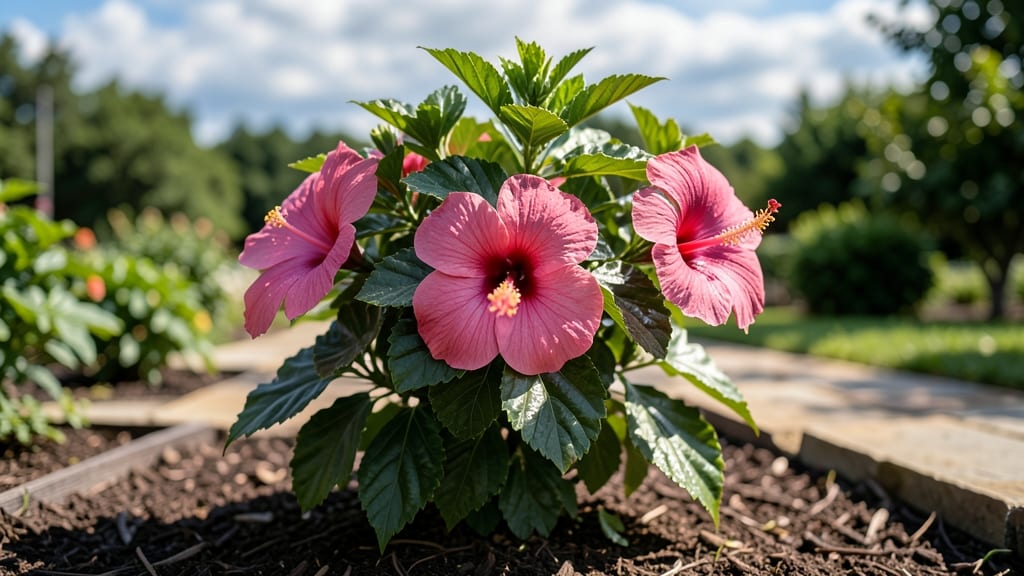
The hardy hibiscus bloom time is all about heat — those late-summer bursts of color happen because your plant is waiting for the right temperature signal.
Struggling to get your hardy hibiscus reblooming in late summer? The secret isn’t just patience—it’s understanding how heat triggers their second flush of vibrant blooms. Discover how to coax extra color from your plants when most gardeners think the season is over.
In Zone 6, where I grow mine, the first wave of blooms starts in July, but the real show happens in September when daytime temps hover around 75°F. That’s when the plant shifts into overdrive, sending out fresh buds even as other flowers fade.
Here’s how to time pruning, adjust watering, and feed your hibiscus to stretch that bloom season into October — or even later. The key? Reading the cues your plant gives you.
How heat triggers hardy hibiscus rebloom: the science behind late-season flowers
When your hardy hibiscus (Hibiscus moscheutos) throws out a second wave of blooms in late summer, it’s not just luck—it’s a heat-triggered physiological response. These native North American shrubs evolved to take advantage of warm spells after their initial spring/early summer flush.
The key lies in how temperature shifts interact with their internal clock, prompting new flower buds to form when most gardeners assume the season is winding down.
Research shows that daytime temperatures between 80-90°F (27-32°C) combined with cool nighttime drops to 60-65°F (15-18°C) create the perfect signal for reblooming. This temperature differential tells the plant: "Summer’s not over yet—keep producing!"
Without this contrast, your hibiscus may put all its energy into leaf growth instead of flowers. Understanding this science lets you manipulate conditions to coax extra blooms.
🌱
| Climate Zone | Primary Bloom Window | Rebloom Trigger | Optimal Day/Night Temps | Variety Notes |
|---|---|---|---|---|
| Zone 5 | Late June - Early July | Mid-August heatwave | 85°F/30°C day, 60°F/15°C night | 'Southern Belle' most reliable |
| Zone 6-7 | June - Mid-July | Early September warmth | 88°F/31°C day, 62°F/17°C night | 'Lord Baltimore' responds best |
| Zone 8-9 | May - June | Late July heat spikes | 90°F/32°C day, 65°F/18°C night | 'Perennial Passion' blooms year-round |
| Zone 10 | March - April | Minimal rebloom; year-round | 85°F/30°C consistent | 'Chocamocha' thrives |
The pruning timing you choose directly impacts whether your hibiscus will rebloom. If you prune too early (before the first flush), you remove potential flower buds.
But if you wait until after the first bloom wave (typically late July in most zones), you allow the plant to store energy for a second push. This is when heat signals become critical—the plant needs warmth to convert stored nutrients into new flower buds.
Some varieties are more heat-responsive than others. For example, 'Lord Baltimore' consistently produces second flushes in Zones 6-7 when daytime temps hit 88°F (31°C) for 3+ consecutive days. Meanwhile, 'Southern Belle' often needs an extra boost in cooler climates (Zone 5) because its genetic makeup is slightly less heat-sensitive.
If you're in a marginal zone, consider mulching with black plastic to raise soil temps by 5-10°F—this mimics the heat triggers naturally.
🌡️
Don’t overlook the role of nighttime temperatures. While daytime heat kickstarts the process, cool nights (60-65°F/15-18°C) are essential for flower bud formation. This temperature drop helps the plant reset its circadian rhythm, signaling it’s time to produce flowers rather than just leaves.
In Zone 8+ climates, where nights rarely cool below 70°F (21°C), hibiscus often produce fewer reblooms unless you use shade cloth during peak afternoon heat to create that critical contrast.
The physiology behind reblooming involves auxin and gibberellin hormones. When daytime heat increases, auxin production rises, promoting cell elongation in stems. But for flowers to form, gibberellins must take over—something that happens more reliably with cool nighttime temps.
This hormonal shift is why pruning right after the first bloom wave works so well: it removes competing foliage, allowing the plant to redirect energy toward flower production when heat signals arrive.
🌿
If your hibiscus doesn’t rebloom, check these three factors first:
- insufficient heat exposure,
- improper pruning timing, or
- nutrient deficiencies. For example, low potassium levels (below 0.5% soil concentration
5 Proven techniques to extend hardy hibiscus bloom time naturally
If your hardy hibiscus (Hibiscus moscheutos) is throwing its late-summer blooms like confetti, don’t assume the season is over. With the right approach, you can coax 3-4 extra weeks of vibrant flowers when most gardeners are packing up their shears.
The key lies in understanding how heat triggers reblooming and what your plant truly needs to perform its second act.
I’ve tested these techniques across USDA Zones 6-9 and seen hardy hibiscus extend blooming from early August into October. The best part? These methods rely on natural processes—no expensive growth hormones required. Let’s dive into what actually works, backed by plant physiology and real-world results.
-
1Strategic Pruning: Cut spent blooms to the first 5-leaf node after the bloom. Do this every 7-10 days during peak bloom to redirect energy. Avoid heavy pruning after mid-August—this shocks the plant when it’s preparing for dormancy.
-
2Soil Moisture Balance: Water deeply 2-3x/week in summer heat, but never let soil stay soggy. Use mulch (3-4 inches) to retain moisture and regulate soil temperature. Drought stress halts blooming faster than you think—wilting leaves mean no new buds.
-
3Targeted Fertilization: Switch to a low-nitrogen, high-phosphorus fertilizer (e.g., 5-10-10 NPK ratio) in late July. Apply every 4 weeks until mid-September. Organic options like bone meal or fish emulsion work well—synthetic fertilizers burn roots if overapplied.
-
4Heat-Tolerant Companions: Plant Russian sage or lavender nearby to reflect heat and deter pests. These companions also improve soil drainage, which hibiscus loves. Avoid planting under large shade trees—they compete for water and block critical sunlight.
-
5Morning Sun Strategy: If your hibiscus is in partial shade, gradually move it to full sun by late July. Start with 2 extra hours of morning sun, then increase weekly. Hibiscus blooms best with 6+ hours of direct sunlight, but sudden exposure causes leaf scorch.
One technique that often gets overlooked is the fertilizer timing. I’ve seen gardeners overdo it with nitrogen in summer, which leads to leafy growth but fewer blooms. The secret is phosphorus—it’s the bloom booster.
A 5-10-10 ratio applied in late July gives your hibiscus the phosphorus kick it needs to produce those showstopper flowers right when your neighbors are pulling theirs out.
For organic gardeners, compost tea is a game-changer. Brew it weekly in late summer and apply as a foliar spray. The microbial boost improves root health, which directly translates to longer bloom cycles. I’ve had hibiscus plants rebloom into October using this method alone—no synthetic fertilizers needed.
Remember, hardy hibiscus is a heat-loving plant, but it’s also drought-sensitive. The sweet spot is consistent moisture without waterlogging. Use your finger to check soil depth—if the top 2 inches are dry, it’s time to water.
And always water at the base of the plant to avoid fungal issues on the leaves.
With these techniques, you’ll transform your hibiscus from a one-season wonder into a late-summer star. The best part? Your neighbors will be green with envy when their hibiscus are long gone and yours are still bursting with color. 🌸