
Blooming
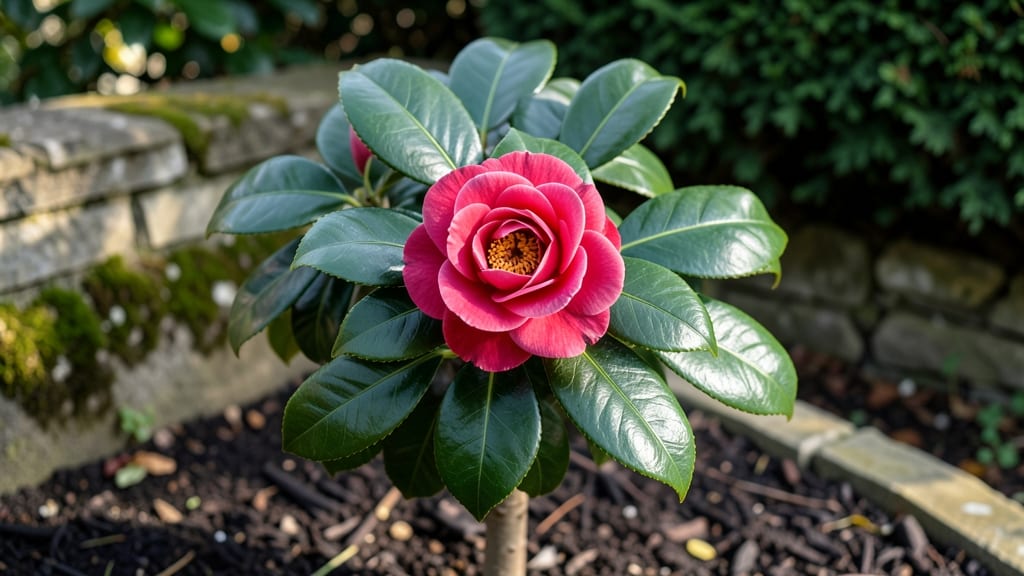
Winter-blooming flowers in Florida bring vibrant color when many gardens fade away, proving that cold snaps don’t have to mean dull landscapes.
Picture this: your neighbors’ yards are bare, but yours bursts with pansies in purple and camellias in soft pink, all while temperatures dip into the 40s. That’s the magic of Florida’s mild winters—perfect for hardy blooms that thrive when others sleep.
Whether you’re in Zone 8 or 10, these flowers need little fuss to keep your garden lively. From coastal-friendly bougainvillea to inland-loving hellebores, I’ve rounded up the easiest, most stunning options that defy winter’s chill.
Below, you’ll find care tips to stretch their bloom time, regional picks for your microclimate, and design ideas to turn your winter garden into a showstopper—no frost required.
Top 10 cold-hardy winter-blooming flowers for Florida gardens
Florida’s winter chill (typically 30–50°F) might seem limiting, but many cold-hardy flowers thrive during these months. These winter-blooming beauties bring color and life when summer annuals fade, requiring minimal care. Whether you’re a beginner or seasoned gardener, these Florida-friendly picks will keep your garden vibrant year-round.
From fragrant camellias to cheerful pansies, these flowers are chosen for their resilience and stunning displays. Most tolerate light frosts and humidity fluctuations, making them perfect for Florida’s diverse microclimates. Let’s explore the top 10 cold-hardy winter bloomers that will transform your garden into a winter wonderland.
| Flower | Bloom Time | Sun Needs | Cold Hardiness | Care Tips |
|---|---|---|---|---|
| Camellia | Dec–Mar | Partial shade | 25–30°F | Prune after blooming; acidic soil |
| Pansies | Oct–Apr | Full sun–partial shade | 25°F | Deadhead spent blooms; mulch for frost |
| Snapdragons | Nov–Feb | Full sun | 28°F | Pinch back for bushier growth |
| Hellebores | Jan–Mar | Shade–partial shade | 0°F | Well-draining soil; minimal watering |
| Sweet Alyssum | Dec–Feb | Full sun | 20°F | Self-cleaning; drought-tolerant |
| Violas | Oct–Apr | Partial shade | 20°F | Edible; great for containers |
| Dianthus | Jan–Mar | Full sun | 25°F | Fragrant; well-draining soil |
| Ixora | Nov–Feb | Full sun | 30°F | Prune after blooming; tropical feel |
| Calendula | Dec–Mar | Full sun | 25°F | Edible petals; pest-repellent |
| Ornamental Cabbage | Nov–Feb | Full sun–partial shade | 20°F | Colorful foliage; low-maintenance |
My top pick for fragrance is camellias, which bloom from December to March and thrive in partial shade. Their roselike flowers and evergreen foliage make them a standout in any garden.
For easy-care color, pansies and snapdragons are unbeatable, offering bright hues and long-lasting blooms with minimal effort.
Hellebores, also called Lenten roses, are shade-loving champions that bloom in late winter and tolerate near-freezing temps. They’re perfect for woodland gardens or shady spots where other flowers struggle. If you love sweet scents, dianthus and sweet alyssum will fill your garden with delicate fragrances while attracting <
How to extend winter blooms: planting and care tips
Florida’s winter months don’t have to mean a garden devoid of color. With the right planting techniques and seasonal care, you can keep your garden vibrant even when temperatures dip. The key lies in understanding your winter-blooming flowers’ needs—whether it’s adjusting watering schedules or providing light protection.
Many cold-hardy flowers like pansies, snapdragons, and hellebores thrive in Florida’s mild winters (30–50°F). These varieties not only survive but also bloom prolifically when others fade. To maximize their lifespan, focus on soil prep, watering consistency, and seasonal pruning.
Start by amending your garden soil with organic compost before planting. Winter-blooming flowers prefer well-draining soil with a slightly acidic pH (6.0–6.5). Test your soil and adjust with peat moss or sulfur if needed. This ensures roots stay healthy and nutrient uptake remains efficient.
Watering is critical in winter—too much can drown roots, while too little causes bud drop. Aim for 1 inch of water per week, delivered in the morning to reduce evaporation and fungal risks.
Use drip irrigation or soaker hoses to keep water at the soil level rather than wetting foliage.
Prune spent blooms regularly to encourage new flower production. For perennials like hellebores, trim back dead foliage in early spring to make room for fresh growth. Avoid heavy pruning in late winter, as this can stunt spring blooms. Instead, focus on shaping and cleaning up.
Protect delicate blooms from unexpected frost by covering plants with frost cloth or burlap sacks when temperatures drop below 35°F. Even Florida’s mild winters can see brief cold snaps, and tender varieties like snapdragons benefit from this extra layer. Remove covers once temperatures rise to prevent overheating.
Finally, feed your winter bloomers with a balanced fertilizer (10-10-10) in early winter to support root development. Avoid high-nitrogen fertilizers, which promote leafy growth over blooms. Instead, opt for a phosphorus-rich formula to boost flowering intensity. Reapply every 6–8 weeks for continuous color.