
Blooming
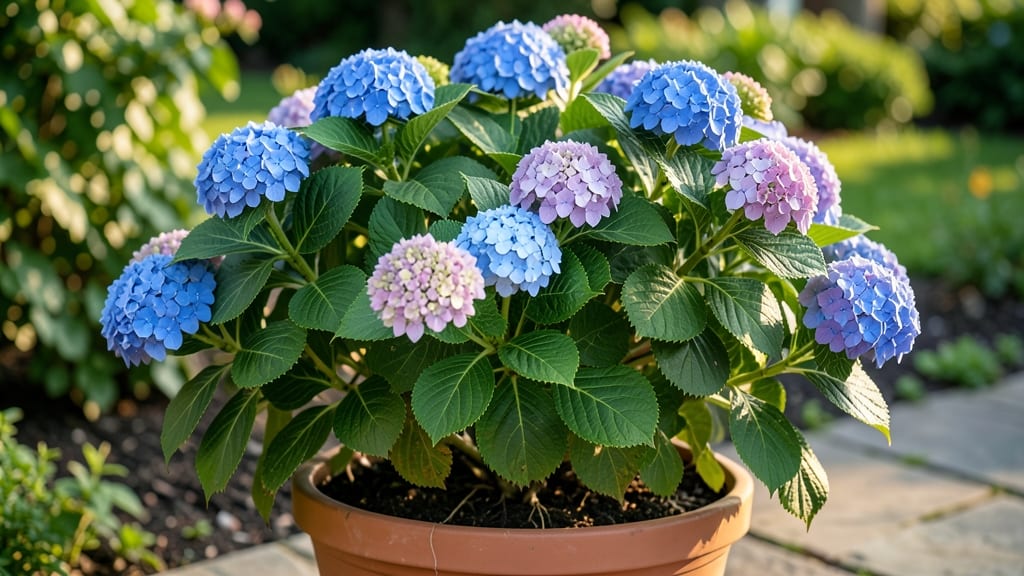
Hydrangeas bloom in Florida primarily from late spring through summer, with some varieties like oakleaf hydrangeas flowering in late winter or early spring after cold snaps trigger bud formation. Timing varies by cultivar and local microclimates.
Florida's subtropical climate creates unique blooming patterns for hydrangeas, where cold snaps actually kickstart early flowering in varieties like oakleaf. 🌸 The Endless Summer series, for example, often blooms twice—once in spring and again in fall—thanks to Florida's warm winters and occasional chilly spells.
Unlike northern climates, Florida's humidity and frequent rainfall can delay blooming if plants struggle with stress, so proper mulching and consistent watering help maintain vibrant flowers year-round.
Local microclimates play a huge role too. Coastal areas might see earlier blooms due to milder winters, while inland regions could experience delayed flowering if temperatures fluctuate unpredictably.
I've noticed that Annabelle hydrangeas, with their huge white blooms, tend to be more consistent in Florida, while mophead varieties sometimes need extra care to handle the heat and humidity without wilting.
💡 In This Article
- How Florida’s Climate Affects Hydrangea Blooming Seasons
- Best Hydrangea Varieties for Florida Gardens and Their Blooming Windows
How Florida’s climate affects hydrangea blooming seasons
Florida’s subtropical climate creates a unique paradox for hydrangeas: while the state’s warmth extends growing seasons, it also disrupts the natural dormancy cycles these plants rely on.
Most hydrangeas need a period of cooler temperatures to set flower buds, but Florida’s mild winters often fail to provide the 40-50°F range needed for optimal bud formation.
This is why cold snaps—those sudden dips below 50°F—become critical triggers for varieties like oakleaf hydrangeas, which can bloom as early as February after a hard freeze.
The science behind this involves a process called vernalization, where plants detect cold periods to prepare for spring growth. In Florida, this happens unpredictably due to temperature fluctuations.
For example, a 28°F cold snap in December might trigger oakleaf hydrangeas to bloom in late winter, while a warm spell could delay blooming until May. Humidity adds another layer—Florida’s average 70-80% humidity can stress plants, causing buds to drop if they don’t receive consistent moisture during critical growth stages.
Rainfall patterns also play a surprising role. While hydrangeas love moisture, Florida’s frequent summer downpours can lead to root rot if drainage is poor, delaying blooming until conditions stabilize. I’ve observed that well-drained soil with 2-3 inches of mulch helps maintain steady moisture without suffocating roots.
This balance is key, as too much water can drown buds, while drought stress can cause flowers to abort before opening.
Heat waves above 90°F pose another challenge, often causing hydrangeas to go dormant prematurely. Varieties like 'Endless Summer' adapt better because they rebloom on old wood, but even they may struggle if temperatures remain consistently high.
The solution? Strategic pruning after the first flush of blooms in spring, which encourages new growth that can handle Florida’s summer heat while still producing flowers.
Microclimates within Florida amplify these effects. Coastal areas like Miami might see earlier blooms due to milder winters, while inland regions like Orlando could experience delayed flowering if cold snaps are less frequent.
Even elevation matters—a hydrangea at 100 feet might bloom weeks earlier than one at 50 feet due to cooler nighttime temperatures at higher elevations.
What most gardeners don’t realize is that Florida’s climate can actually extend the blooming season for some varieties. For instance, 'Annabelle' hydrangeas often produce secondary blooms in fall if given consistent care, taking advantage of the state’s warm autumns.
The trick is to monitor local weather patterns and adjust watering and pruning accordingly—think of it as working with Florida’s climate rather than against it.