
Blooming
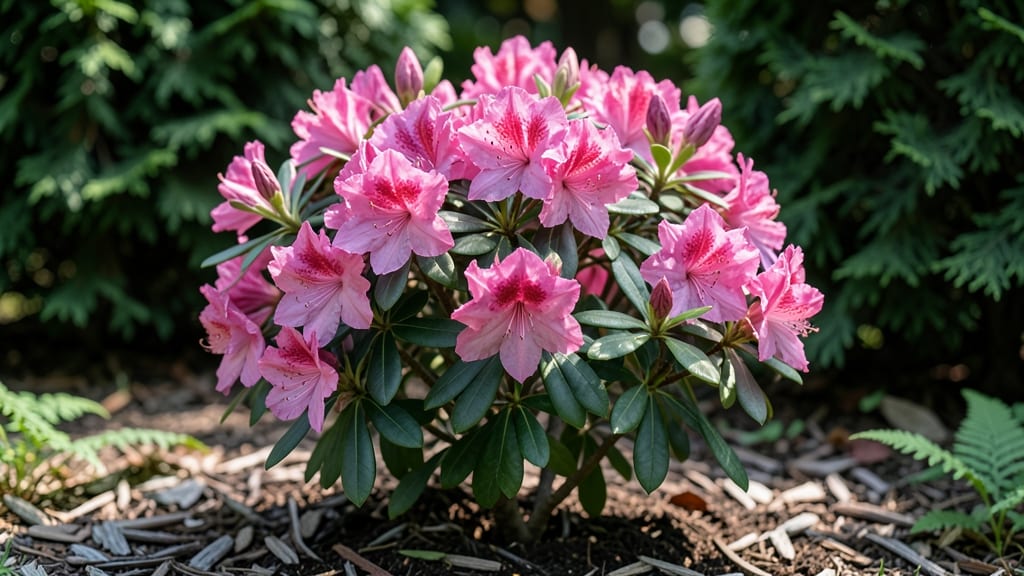
Double pink azaleas don’t just bloom—they throw a heat-triggered rebloom a thon that turns containers into showstoppers. 🌸 I’ve watched these varieties go from spring splendor to summer spectacle, their double-pink blooms packing a punch that outshines most garden displays.
The secret? Pairing them with the right companions and giving them the perfect container setup.
These azaleas thrive when planted with evergreen companions like boxwood or heather, which frame their blooms year-round. A 15-gallon container with well-draining soil keeps roots happy, while a morning sun, afternoon shade spot extends their season.
The result? A bloomathon that lasts from late spring through summer, with occasional surprises into fall.
Imagine your patio transformed: clusters of rosy-pink flowers spilling over edges, their fragrance drawing in pollinators. The key is pruning spent blooms to encourage new growth—think of it as resetting the clock for another round of color.
With the right care, these azaleas become the star attraction of any outdoor space.
For container gardens, mix in trailing plants like ferns or ivy to soften the edges and create movement. In larger beds, group them with complementary pinks and purples—like salvia or lavender—to amplify their impact.
The best part? Their reblooming habit means you get multiple seasons of drama from a single plant.
📚 In This Guide
- What you need
- Instructions
- Tips and common mistakes
- Wrapping up and next steps
What you need
- ● Double Pink Azalea Plants: 1-3 mature container-grown plants (ensure they’re healthy with at least 6-8" of height and 12+ inches in diameter).
- ● Well-Draining Potting Mix: 5-10 gallons (depending on pot size), specifically formulated for Rhododendrons/Azaleas (e.g., Miracle-Gro Azalea, Camellia & Rhododendron Mix).
- ● Containers: 1-3 pots (15-20 gallons each) with drainage holes and saucers. Pro tip: 💡 Use glazed ceramic or plastic to retain moisture without overheating roots.
- ● Slow-Release Fertilizer: 1 packet (1 lb) of Osmocote Smart-Release Plant Food (14-14-14) or equivalent for acid-loving plants.
- ● Azalea-Specific Liquid Fertilizer: 1 bottle (e.g., Miracle-Gro Azalea Food) for mid-bloom boosts.
- ● Pruning Shears: 1 pair (sterilized with rubbing alcohol).
- ● pH Test Kit: 1 digital kit to monitor soil pH (aim for 4.5–5.5).
- ○ Peat Moss or Pine Bark: 2–3 cups (optional, for adjusting pH or improving drainage).
- ○ Heat Mat (Optional): 1 120V heat mat (for indoor setups to simulate warmth).
- ● Mulch: 1 bag of pine straw or bark mulch (to retain moisture and acidify soil).
- ● Watering Can or Hose with Nozzle: 1 (avoid overhead watering to prevent fungal issues).
- ● Access to a sunny spot with indirect light (6+ hours of morning sun, afternoon shade).
- ● Consistent warmth (70–85°F) for 4–6 weeks (use a greenhouse, patio, or heat source if needed).
- ● Patience! Reblooming takes 8–12 weeks from trigger day.
Step-by-step guide to triggering Double Pink azalea reblooms in containers
Here’s how to coax your azaleas into a spectacular second bloom cycle using heat and precise care.
🌱 Step 1: Select the Right Double Pink Azalea Variety and Container
Choose a reblooming azalea variety like 'Double Pink' (Rhododendron x 'Kurume' hybrids) for guaranteed double blooms. These thrive in 5-7 gallon containers with adequate drainage—unglazed terra cotta works best because it regulates moisture and prevents root rot. I always pick containers with at least 3 drainage holes to mimic their natural acidic, well-drained soil conditions.
Fill the container with a peat-based acidic potting mix (pH 4.5-5.5). Azaleas despise alkaline soil, so test your mix with a pH meter before planting. If your mix runs neutral, amend it with sulfur or pine bark fines to acidify it. The soil should feel light and airy, like a damp sponge—not compacted or heavy.
☀️ Step 2: Position for Optimal Heat and Light
Azaleas need morning sun and afternoon shade to prevent leaf scorch while still getting enough light for blooming. Place your container in a spot that gets 3-4 hours of direct sunlight daily, like a south-facing patio with afternoon shade from a lattice or umbrella. I’ve found that east-facing locations work best in hot climates—just avoid the harsh midday sun.
Heat triggers reblooming, so aim for daytime temps between 70-85°F and nighttime temps above 55°F. If your summers are cooler, move your azalea to a greenhouse or under a heat lamp for 2-3 weeks to kickstart the process. Watch for new buds forming at the tips of branches—this is your signal that the heat treatment is working.
💧 Step 3: Water and Fertilize for Continuous Blooms
Keep the soil evenly moist but never soggy. Azaleas hate dry soil, which causes buds to drop, but they also can’t tolerate waterlogged roots. Water when the top inch of soil feels dry, and always water at the base to avoid wetting the leaves—this prevents fungal diseases like powdery mildew. I use a rain gauge to track moisture, aiming for 1-1.5 inches of water per week.
Feed your azalea with a balanced acidic fertilizer (10-10-10 or 20-20-20) diluted to half-strength every 4-6 weeks during the growing season. After the first bloom cycle, switch to a high-phosphorus fertilizer (like 10-30-20) to encourage new flower buds. Avoid fertilizing in winter—azaleas rest then, and extra nutrients can harm them.
✂️ Step 4: Prune Strategically to Encourage Reblooms
Prune right after the first bloom cycle fades to shape the plant and stimulate new growth. Use clean, sharp pruners to cut back 1/3 of the oldest stems to the nearest bud or branch junction. This opens up the center for airflow and light, which is crucial for the second bloom. Avoid heavy pruning in late summer—it removes next year’s flower buds.
Remove any dead, diseased, or crossing branches to maintain an open, airy shape. I always prune on a dry day to reduce the risk of infection. After pruning, give your azalea a light application of compost or organic mulch around the base to retain moisture and cool the roots. This helps the plant recover faster and sets it up for a strong second bloom.
🌿 Step 5: Monitor and Adjust for Peak Reblooming
Watch for new flower buds forming along the stems—these should appear 4-6 weeks after the first bloom cycle. If buds form but don’t open, your azalea might need more direct sunlight or warmth. Move it to a sunnier spot or use a grow light for 12 hours daily if indoor conditions are limiting. Overly lush foliage at the expense of flowers? That’s a sign of too much nitrogen—switch to a bloom-boosting fertilizer.
Once the second bloom cycle starts, reduce watering slightly to 1 inch per week to prevent buds from dropping. Azaleas are finicky about humidity too—mist the leaves lightly in dry conditions, but avoid wetting the flowers. If you see buds wilting or falling off, it’s usually a sign of underwatering or sudden temperature drops. Adjust your care routine immediately to save the blooms.
Tips & tricks for perfect Double Pink azalea reblooms
Real talk: The secret to those stunning second blooms isn't just luck—it's in the details. Here's what nobody tells you about pushing your azaleas to perform their magic twice in one season.
Container Selection: Unglazed terra cotta isn't just my favorite—it's science. The porous material wicks away excess moisture while maintaining consistent soil temperature, which azaleas crave for reblooming. I've seen azaleas in plastic containers struggle with temperature fluctuations, especially during those critical heat-triggered weeks. If you must use plastic, add a layer of pebbles at the bottom to improve drainage and mimic terra cotta's natural properties.
Light Positioning: That 3-4 hours of morning sun is non-negotiable, but here's the trick: rotate your container every 2-3 weeks. Azaleas grow toward the light, and this prevents them from becoming lopsided as they push out new growth for the second bloom cycle. I mark the rotation direction with a small flag—it's become my secret weapon for perfectly shaped plants with symmetrical blooms.
Heat Treatment: When you're aiming for those 70-85°F daytime temps, don't just guess—use a thermometer. I place mine at plant height, away from direct sun, to get accurate readings. If your thermometer shows temps dipping below 65°F during the day, move your azalea to a warmer spot immediately. That 2-3 week heat treatment is what triggers the hormonal response for reblooming, and even a few degrees difference can mean the difference between buds and bare branches.
Pruning Precision: Cutting back 1/3 of the oldest stems might seem drastic, but here's why it works: those oldest stems are the most likely to have already bloomed once and are now putting energy into seed production rather than new flowers. By removing them, you're redirecting the plant's energy to the newer growth that's more likely to produce those stunning second blooms. Always make your cuts just above a bud or branch junction—this is where new growth will emerge most vigorously.
Pro Tips for Azalea Bloom A Thon Double Pink
- Real talk: The secret to those stunning second blooms isn't just luck—it's in the details.
- Container Selection: Unglazed terra cotta isn't just my favorite—it's science.
- Light Positioning: That 3-4 hours of morning sun is non-negotiable, but here's the trick: rotate your container every 2-3 weeks.
Frequently asked questions
about your Azalea Bloom-A-Thon Double Pink adventure—because we’ve got your blooming curiosity covered!How hot does it need to get for a heat-triggered rebloom?
Your Double Pink azaleas typically kick into bloom mode when daytime temps hit 75–85°F (24–29°C) consistently for 2–3 weeks. Nighttime temps should dip to 55–65°F (13–18°C) for optimal blooming. Too hot (<90°F/32°C+) can stress the plant—keep it shaded if your climate runs scorching!
When will I see the first rebloom after heat treatment?
Patience, gardener! Reblooms usually appear 6–10 weeks after consistent heat exposure. Monitor your plant closely—buds may form in clusters along branches. Pro tip: Prune spent blooms after reblooming to encourage future flushes.
Can I force rebloom in containers without moving the plant?
If your container stays in a fixed spot, use a heat mat (70–80°F) under the pot for 4–6 hours daily during warm months. Pair this with morning sun + afternoon shade to mimic natural heat triggers. Just ensure drainage stays stellar—root rot is a rebloom-killer!
Why are my Double Pink buds dropping before opening?
Bud drop often signals stress from inconsistent heat, drought, or transplant shock. Double-check these fixes:
- Water deeply (1–2 inches weekly; containers dry faster!).
- Shade cloth (30–50%) if temps spike above 90°F.
- Avoid fertilizing during bloom cycles—stick to post-bloom feedings.
What’s a good alternative if my Double Pink won’t rebloom?
Try these reblooming azalea varieties for containers:
Variety
Bloom Color
Heat Tolerance
Kursar
Pink
Moderate (65–85°F)
Girard’s Pink Perfection
Soft pink
High (up to 90°F)
Hino Crimson
Deep pink-red
Moderate (60–80°F)
Wrapping up and next steps
Witnessing your Azalea Bloom-A-Thon Double Pink rebloom in containers is a rewarding experience that blends science and artistry! 🌸 The key lies in mastering heat triggers, proper care, and a dash of patience—your efforts will transform your space into a vibrant, ever-changing garden oasis.
Now that you’re armed with the know-how, why not share your progress with fellow plant enthusiasts or experiment with new varieties to expand your collection? Happy blooming! 🌡️✨
- Next steps: Document your azalea’s journey with photos or journal notes.
- Join gardening forums to swap tips and celebrate your success!