
Blooming
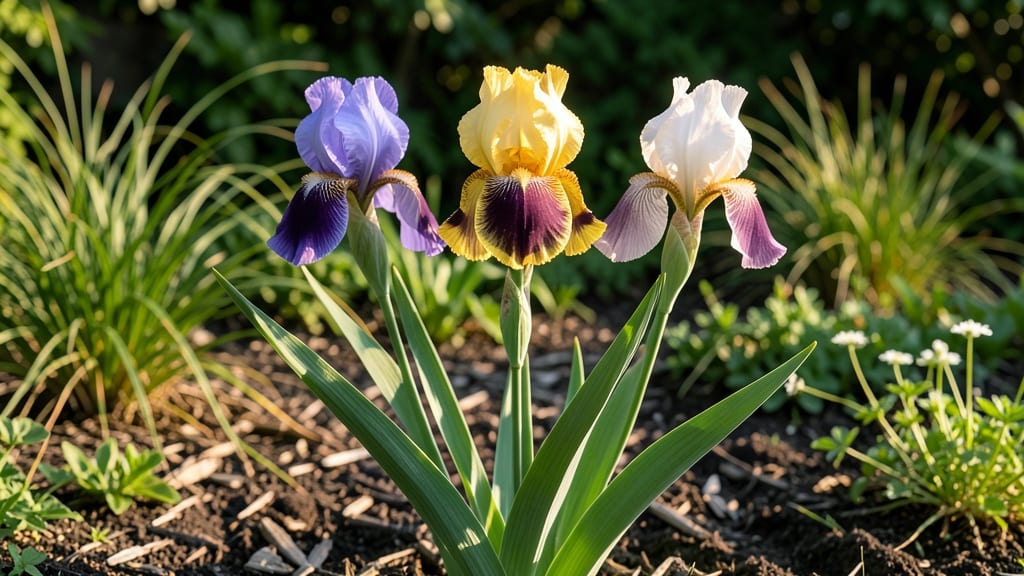
The moment when the iris flower bloom time arrives—those purple spikes pushing through frost-kissed soil—is one of spring's most rewarding sights. 🌸 Their spikes arrive between late April and early June, but timing varies wildly depending on your zone—early bloomers in the South might flower in March, while Northern gardeners wait until June.
I've seen them defy expectations after a late frost, their tough roots pushing through even when everything else seems frozen.
What makes iris bloom time so fascinating is how variety and climate collide. Bearded irises typically bloom earliest, followed by Siberian and Japanese types, while Louisiana irises often wait until summer.
In my own garden, the Siberians always arrive first, their delicate petals unfurling like nature's promise that winter is truly over. The key to encouraging consistent blooming? A well-timed fertilizer in early spring and minimal pruning until after flowering—never cutting back those sword-like leaves until they've finished feeding the plant.
By mid-summer, you'll have spent blooms to remove, but don't worry—the roots are already storing energy for next year's show. The secret to reblooming irises lies in dividing clumps every 3-4 years and giving them full sun.
I've watched my oldest plants multiply into dozens of stalks, each one determined to outshine the last. The fragrance alone makes the wait worthwhile—sweet, powdery, and impossible to resist when you're walking past on a warm afternoon.
This is where seasonal gardening gets exciting: those same roots that produce spring blooms also feed your summer perennials. Save the spent foliage for compost, and you'll have the perfect foundation for next year's display.
The real magic happens when you notice how your irises adapt—some years they bloom earlier, others later, but they always come back stronger, proving that patience in the garden pays off in the most beautiful ways.
📚 In This Guide
- What you need
- Instructions
- Tips and common mistakes
- Wrapping up and next steps
What you need
- ● Iris rhizomes: 3–5 healthy, firm rhizomes (choose varieties like Iris germanica or Iris sibirica for reliable blooms).
- ● Well-draining soil: 1–2 cubic yards of a mix of garden soil, sand, and compost (ratio: 2:1:1).
- ● Organic fertilizer: 10-10-10 or bone meal (1 cup per 10 sq ft) to boost early growth.
- ● Mulch: 2–3 inches of pine bark or straw to retain moisture and insulate roots.
- ● Stakes or rings: 3–5 bamboo stakes (6–12 inches tall) to support tall varieties like Iris germanica.
- ● Garden trowel or shovel for planting.
- ● Pruners (sterilized with rubbing alcohol) for trimming dead foliage.
- ● Watering can or hose with a gentle spray nozzle (irises hate soggy roots!).
- ○ Gloves (optional but recommended—iris rhizomes can be sharp!).
- ● Sunlight access: A spot with 6+ hours of direct sun daily (partial shade in hot climates).
- ● Drainage test: Ensure your soil drains within 1–2 hours after watering (irises hate waterlogged roots!).
- ● Slow-release fertilizer granules (apply in early spring for a bloom boost).
- ● Peat moss or perlite (amend heavy clay soil for better drainage).
- ● Drip irrigation system (automates watering for consistent moisture).
- ● Frost cloth (lightweight option for tender varieties in late fall/winter).
- ● Journal or app (track bloom times, soil conditions, and variety notes!).
How to time iris blooms for maximum spring color
Here's the secret to getting those fragrant purple spikes to appear reliably every year—no guesswork involved.
☀️ Step 1: Plant Irises in Late Summer for Perfect Timing
Dig a hole 6 inches deep and twice as wide as the rhizome. Irises need full sun—at least 6 hours daily—so choose a spot that gets morning light and afternoon shade if you live in a hot climate. The rhizome's top should peek above soil level; burying it too deep smothers the plant and delays blooms.
I always plant mine in late August or early September. This gives roots time to establish before winter dormancy, which means stronger plants that bloom earlier and more vigorously the following spring. Space rhizomes 12-18 inches apart—crowding leads to smaller blooms and more disease.
⏰ Step 2: Wait for the Right Seasonal Cues
Irises bloom in late spring to early summer, but the exact timing depends on your climate. In cooler zones (USDA 3-5), expect blooms in May or June after the last frost. In warmer areas (USDA 6-9), they often bloom 2-3 weeks earlier.
Watch for new fan-shaped leaves in early spring—that's your signal. When they reach 6-8 inches tall, blooms will follow in 4-6 weeks. I mark the date when leaves emerge and count backward to predict bloom time. This helps me plan for deadheading and fertilizing at the right moment.
💧 Step 3: Water and Fertilize Strategically
Water irises deeply once a week during the growing season, but stop completely after blooms fade. Overwatering in summer causes rhizome rot. I use 10-10-10 fertilizer in early spring when leaves appear, then again after blooms fade to build next year's flowers.
Don't fertilize after mid-summer—it encourages late-season growth that won't harden off before frost. Instead, let the foliage yellow naturally. Cut it back only after it turns brown, which feeds the rhizome for next year's blooms. This simple routine keeps my irises reblooming reliably for decades.
✂️ Step 4: Deadhead and Divide Every 3-4 Years
Snip off spent blooms at the base as soon as they fade. This redirects energy to next year's flowers instead of seed production. I also remove any seed pods that form—they drain the plant's resources. Leave the leaves until they yellow naturally, as they store nutrients for future blooms.
Divide congested clumps in late summer when foliage turns brown. Dig up rhizomes, separate the sections, and replant the healthiest ones. This rejuvenates the plant and ensures bigger, more abundant blooms. I always replant divisions at the same depth—they'll bloom within 1-2 years.
🌱 Step 5: Protect from Late Frosts and Pests
Irises are frost-hardy, but late spring frosts can damage emerging blooms. I monitor forecasts and cover buds with frost cloth if temperatures dip below 28°F. Remove the cloth as soon as the sun comes out to prevent overheating.
Watch for iris borers—tiny moth larvae that tunnel into rhizomes. I inspect plants in early summer and remove any sawdust-like frass (borer droppings). Treat infested rhizomes with neem oil or replant them in a different spot. Healthy, well-spaced irises rarely attract pests, so proper care is your best defense.
Tips & tricks for perfect iris bloom timing
These simple secrets will help you coax those vibrant purple blooms right on schedule every year.
Planting Depth Matters: When you dig that 6-inch hole for your rhizomes, resist the urge to bury them deeper for winter protection. The top should always peek above soil level—this prevents smothering and ensures timely spring blooms. I've seen gardeners bury rhizomes too deep, and their irises took two full years to bloom again. Think of it like a sleeping person needing fresh air to wake up properly!
Spring Leaf Check: That 6-8 inch leaf height in Step 2 is your golden signal. I mark my calendar the day I see those first fan-shaped leaves in early spring—it's like nature's countdown clock. If your leaves are growing slower than expected, check your soil drainage. Irises hate soggy roots, which can delay blooming by weeks. A simple soil test can reveal if you need to amend with sand or compost.
Frost Protection Strategy: The 28°F threshold in Step 5 is critical—it's the point where those delicate buds can get damaged. I keep frost cloth handy and check the weather forecast every evening in late April. Pro tip: If you're in a microclimate where cold air pools (like valleys), consider planting irises on a slight slope or raised bed to improve air circulation and reduce frost risk.
Pro Tips for Iris Flower Bloom Time
- These simple secrets will help you coax those vibrant purple blooms right on schedule every year.
- Planting Depth Matters: When you dig that 6-inch hole for your rhizomes, resist the urge to bury them deeper for winter protection.
- Spring Leaf Check: That 6-8 inch leaf height in Step 2 is your golden signal.
Frequently asked questions
Got questions about iris bloom time?
Here are answers to the most common ones—so you can plan ahead and enjoy those stunning purple (or blue, yellow, or white!) spikes year after year.
When do irises typically bloom?
Most iris varieties bloom in late spring to early summer (April–June in temperate zones). Bearded irises, the classic purple type, usually peak in May, while Siberian irises may bloom slightly later. Hardiness matters: Northern climates see blooms earlier, while warmer regions may delay until June.
Why did my iris bloom early this year?
Early blooms often happen after a mild winter or unseasonably warm fall. Irises are dormant in winter and triggered by temperature shifts—so a warm spell can wake them up sooner. No need to panic! Just enjoy the show, but watch for pests (like iris borers) that thrive in unseasonable warmth.
Can I force irises to bloom earlier or later?
You can’t force irises to change bloom times drastically, but you can optimize conditions:
- For earlier blooms : Plant in full sun and mulch lightly in fall to protect roots.
- For later blooms : Avoid heavy fertilizing in spring—too much nitrogen delays flowering.
- Pro tip: Deadhead spent blooms to encourage a second, smaller flush later in summer!
Why did my iris not bloom at all this year?
No blooms? Check these troubleshooting steps:
- Age: Irises often skip blooming in their first year or after being divided/replanted.
- Light: They need 6+ hours of sun daily—shady spots = fewer blooms.
- Fertilizer: Too much nitrogen = leafy growth, no flowers. Use a low-nitrogen, high-phosphorus fertilizer in early spring.
- Pests/Disease: Check for iris borers (tunnels in rhizomes) or fungal spots.
Are there iris varieties that bloom at different times?
Yes! While most irises bloom in spring/summer, some standouts include:
Variety
Bloom Time
Color Notes
Siberian Iris
May–June
Soft blues/purples, fragrant!
Japanese Iris
June–July
Rich purples, tropical vibes.
Louisiana Iris
July–August
Bold yellows/oranges, humidity-loving.
Bearded Iris
April–June
Classic purple, hardy and prolific.
Wrapping up and next steps
Understanding the iris flower bloom time unlocks the magic of these resilient beauties—whether you’re admiring their fragrant purple spikes in spring or cheering them back after frost.
From early bloomers like the Louisiana iris to late-season stars like the bearded iris, each variety rewards patience with vibrant bursts of color. Now that you’re armed with timing tips and care tricks, why not plant your own iris patch this fall
- 🌱 Pick a sunny spot (6+ hours of light daily).
- 💧 Water deeply after planting, then let them snooze through winter.
- 👀 Watch for reblooms—and share your progress with fellow gardeners!
Your garden (and future pollinators) will thank you! 🌸