
Blooming
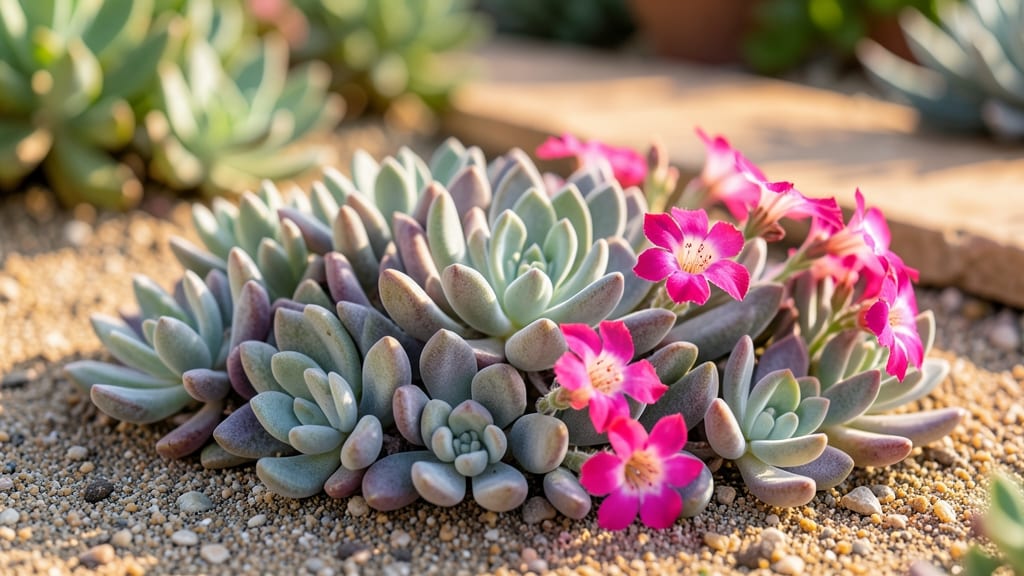
Ice plants do bloom all summer in warm climates, with many varieties flowering continuously from early spring through fall when given full sun and well-drained soil. Some types like Delosperma and Lampranthus thrive in heat zones (USDA 7-11) for extended blooming, while cooler regions may need winter protection to maintain their flowering.
Ice plants are famous for their long bloom cycles, but their performance depends heavily on climate and care. 🌸 In warmer zones, these succulents often produce flowers from spring until frost, with some varieties like Lampranthus continuing year-round if conditions are ideal.
The key is replicating their natural desert environment—bright light, minimal water, and fast-draining soil. Even in cooler areas, proper winter protection (like mulching or container relocation) can extend their flowering season significantly.
What sets ice plants apart is their adaptability. While some types bloom intermittently, others like Delosperma focus their energy on spring-to-fall displays, while Mesembryanthemum may produce flowers sporadically throughout the year.
The secret to nonstop blooms lies in deadheading spent flowers and ensuring they get enough sunlight—at least 6-8 hours daily. This encourages new growth and prolongs the flowering period.
💡 In This Article
- Ice Plant Bloom Cycles by Variety and Climate
- How to Encourage Nonstop Ice Plant Flowers
Ice plant bloom cycles by variety and climate
Ice plants trigger blooming through a mix of temperature sensitivity and daylight exposure. Most varieties are photoperiod-sensitive, meaning they respond to changes in daylight hours—typically blooming when days lengthen in spring and shorten in fall.
For example, Delosperma varieties often produce flowers from late spring through early fall (May-September in most regions), while Lampranthus can extend this into winter if temperatures stay above 40°F. In USDA zones 7-11, these plants experience minimal winter dormancy, allowing near-continuous blooming when conditions are ideal.
The key difference lies in their native habitats. Lampranthus species, native to South Africa's arid regions, thrive in consistent warmth and can bloom year-round if given full sun (6+ hours daily) and well-drained, sandy soil with a pH of 6.0-7.5.
Meanwhile, Mesembryanthemum (common ice plant) often shows intermittent blooming because it's more adapted to cooler coastal climates where summer droughts trigger flowering. Even in warm zones, these varieties may take brief breaks during heatwaves unless kept evenly moist.
Climate plays a surprising role in flower color intensity. In hotter zones (like Southern California), Lampranthus often produces brighter pinks and oranges due to higher UV exposure, while cooler zones (like Pacific Northwest) may yield paler blooms.
The temperature threshold for continuous blooming sits around 55°F—below this, most ice plants enter dormancy. This is why gardeners in USDA zone 6 often see spring-only blooms unless they use frost blankets or grow plants in containers that can be moved indoors.
Here's what happens biologically: Ice plants store water in their thick leaves, allowing them to survive drought. When temperatures rise above 70°F, these plants prioritize flower production over leaf growth, which is why they often appear less lush during peak bloom seasons.
The trade-off is stunning: Delosperma can produce up to 50 flowers per stem in ideal conditions, while Lampranthus may cover the plant in blooms for 10+ weeks without breaks.
For gardeners in transitional zones (like zone 7), the secret to extended blooming lies in microclimates. South-facing walls or raised beds can add 5-10°F of warmth, pushing blooming into late fall.
In containers, using black plastic pots (which absorb heat) can create a 5°F warmer environment than standard terracotta. This small adjustment often extends the bloom season by 3-4 weeks.
One common misconception is that all ice plants bloom continuously. In reality, Mesembryanthemum crystallinum (the species often called "common ice plant") typically blooms in spring and fall, with minimal summer flowers unless stressed by drought.
The confusion stems from its succulent growth habit—it looks like it's always growing, but flowering is more sporadic. For true summer-long blooms, Lampranthus varieties like 'Ice Plant' or 'Livingstone Daisy' are the best bets.