
Blooming
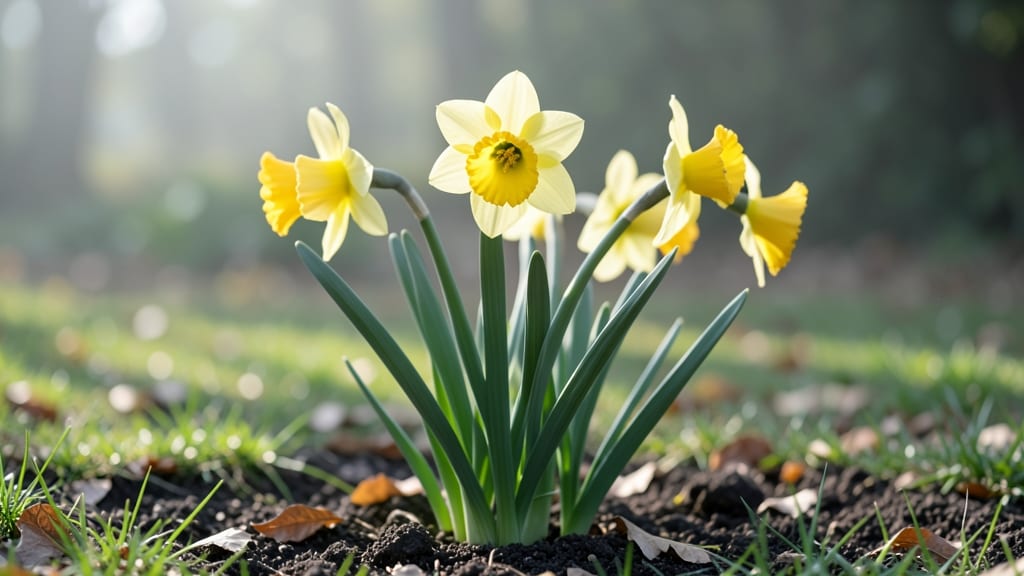
Spring-blooming flowers that are allowed to bloom in spring crossword clue include daffodils, tulips, and crocuses, known for their vibrant colors and ability to thrive in cooler temperatures. These seasonal bloomers frequently appear in puzzles due to their cultural symbolism of renewal and growth.
Crossword puzzles love these flowers because they're seasonal indicators that pop up reliably every spring. 🌸 Daffodils, with their cheerful yellow blooms, often appear in clues about "spring's first flower," while tulips get referenced for their classic cup-shaped petals.
Even crocuses, those tiny purple stars, make frequent appearances because they're among the first flowers to push through snow. The key is understanding how these plants bloom in cool but not freezing conditions—perfect timing for March and April puzzles.
What makes these flowers especially useful for crossword solvers is their distinctive shapes and colors that lend themselves well to short answer formats. For example, a clue about "orange spring blooms" might lead you to tulips or daffodils, while "purple crocuses" could be a perfect fit for a 7-letter answer.
The beauty of these flowers isn't just their appearance—it's how they fit neatly into the linguistic patterns crossword constructors love.
💡 In This Article
- Why Spring-Blooming Flowers Dominate Crossword Clues
- Top 10 Spring Flowers for Crossword Answers
Why spring-blooming flowers dominate crossword clues
Spring flowers dominate crossword clues because they embody the season's renewal and predictability. Botanically, these plants have evolved to bloom in cool temperatures (40-60°F) after winter dormancy, making them reliable seasonal markers.
Their vibrant colors—yellows, purples, whites—create visual contrast that mirrors how crossword constructors use distinctive descriptors like "orange blooms" or "purple stars" to guide solvers. 🌷 This natural timing aligns perfectly with the March-May window when crosswords often feature seasonal themes.
The cultural symbolism runs deep too. Flowers like daffodils (symbolizing rebirth) and tulips (representing perfect love) carry centuries of gardening tradition that crossword creators tap into.
Historical records show these flowers were cultivated in 17th-century Dutch gardens and later became staples of European spring celebrations—making them instantly recognizable to puzzle solvers worldwide. The linguistic patterns also work beautifully: "first flower" cues daffodils, while "cup-shaped" points to tulips, creating natural word associations that fit crossword grids seamlessly.
What's fascinating is how these flowers' botanical structures translate into crossword-friendly clues. For instance, crocuses have 6 petals arranged in two whorls, which makes them perfect for clues about "tiny purple flowers" or "snow crocuses."
Meanwhile, tulips' single-layered petals (technically called tepals) create visuals that match clues about "cup-shaped blooms." This structural specificity gives constructors precise language to work with—something more generic flowers lack. 🌼
Seasonal timing plays a crucial role too. Most spring bloomers emerge within 2-4 weeks of frost-free conditions, creating a tight window that crossword puzzles can exploit. For example, daffodils often bloom 2-3 weeks before tulips, allowing constructors to use "early spring" as a clue differentiator.
This botanical sequence mirrors how crossword difficulty escalates: easier clues (like "first flower") appear in Monday puzzles, while more specific ones (like "purple crocus") save for Saturday challenges.
Don't overlook the crossword constructor's toolkit either. These flowers provide 3-8 letter answers that fit neatly into grids, with common options like "tulip" (5 letters) or "crocus" (6 letters) appearing regularly.
The color associations are particularly useful: yellow = daffodil, purple = crocus, red = tulip (like the famous "red tulip" clue). This color-coding system turns botanical knowledge into a puzzle-solving advantage, rewarding solvers who recognize these seasonal patterns. 🌺
The psychological angle is compelling too. Spring flowers trigger positive emotional responses—their bright colors and fresh scents create mental associations with warmth and new beginnings. Crossword constructors leverage this by pairing flower clues with positive verbs like "bloom," "thrive," or "reappear," which align with the season's optimistic mood.
This emotional connection makes these clues more memorable, increasing the likelihood solvers will remember them for future puzzles.