
Blooming
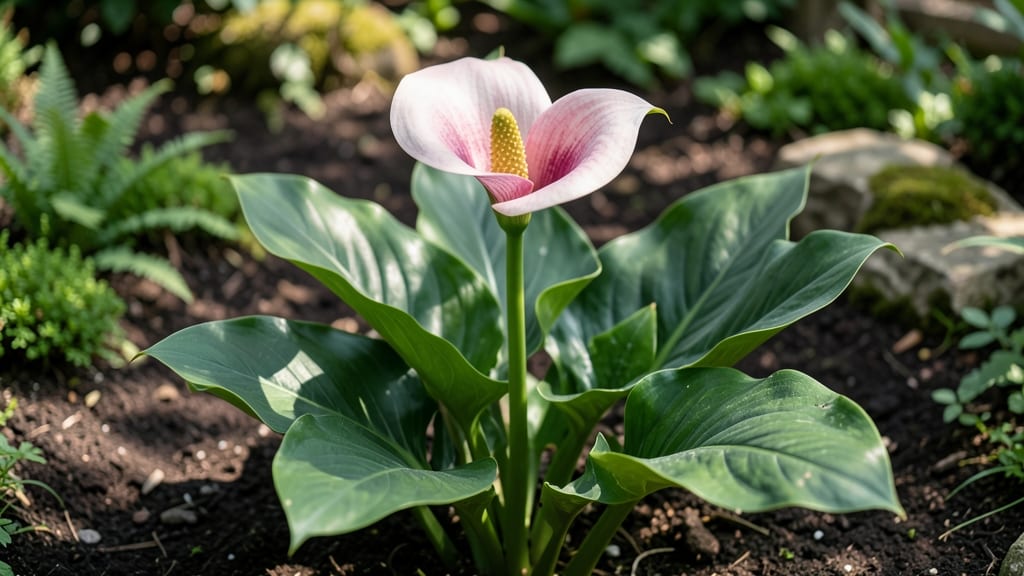
Calla lilies are in bloom again, and their dramatic purple spikes are stealing the show in my garden. 💜 There's nothing like that moment when the first velvety blooms push through the foliage, signaling summer's peak—and now is the perfect time to give them the care they need to keep performing.
The secret to their reblooming magic? A little pruning after the first flush, followed by a balanced fertilizer every 4-6 weeks. I swear by a slow-release formula in early summer, then switch to a lower-nitrogen feed as fall approaches.
This keeps their roots strong while encouraging those signature spikes to return next season. After the blooms fade, don't rush to cut everything back—let the leaves stay until they yellow naturally. This stored energy fuels next year's growth. The foliage also makes a stunning dried arrangement if you're feeling crafty.
For gardeners in hot climates, mulch heavily to keep roots cool. In cooler zones, start thinking about winter prep—these tropical divas need protection from frost. Either way, your callas will thank you with even more dramatic displays next year.
📚 In This Guide
- What you need
- Instructions
- Tips and common mistakes
- Wrapping up and next steps
What you need
- ● Fresh calla lilies: 3–5 stems (purple or white varieties for the best visual impact). Look for fully bloomed spikes with vibrant, unfurled petals.
- ● Clean water: A pitcher or vase filled with room-temperature water (changed daily to keep them fresh).
- ● Sharp floral shears or scissors: To trim stems at a 45-degree angle for better water absorption.
- ● Vase or container: A tall, narrow vase (6–8 inches) or a rustic bucket for a bold look. Ensure it’s clean and can hold at least 2 cups of water.
- ● Greenery: Eucalyptus, ferns, or ivy to add texture and contrast.
- ● Floral preservative: A packet (like Floralife) to extend vase life by 2–3 days.
- ● Decorative elements: Twine, moss, or small pebbles for a natural, boho arrangement.
- ● Camera or smartphone: With a macro lens or high-resolution camera for close-up shots of their dramatic blooms.
- ● 💡 Remove lower leaves: Submerge stems in water to prevent bacterial growth.
- ● 🌡️ Avoid direct sunlight: Place arrangements out of harsh light to preserve color.
- ● ✨ Pair with complementary blooms: Try white roses or deep burgundy dahlias for a stunning contrast.
How to extend your calla lily bloom season
Your fragrant purple calla lilies are back—and with these steps, they’ll thrive well into fall.
🌿 Step 1: Prune and Deadhead for Stronger Growth
Once the blooms fade, snip the spent flower spikes with clean, sharp pruners about 1 inch above the next leaf node. This encourages the plant to redirect energy into new growth rather than seed production. I always sterilize my pruners with rubbing alcohol first—it prevents bacterial infections that can weaken the plant.
Remove any yellow or damaged leaves at the same time. Calla lilies are tough, but they’ll reward you with healthier blooms if you keep them tidy. Watch for new side shoots emerging from the base—these are your plant’s way of telling you it’s ready for another round of flowers.
☀️ Step 2: Adjust Watering for Peak Health
Calla lilies love moisture but hate soggy roots. During the heat of summer, water deeply 2-3 times per week until the top 2 inches of soil feel damp. Let the soil dry slightly between waterings—this prevents root rot while keeping the plant hydrated. I check moisture by sticking my finger in the soil; if it’s dry past my first knuckle, it’s time to water.
Mulch around the base with 2-3 inches of organic mulch to retain moisture and keep roots cool. Avoid piling mulch against the stems—this can trap too much moisture and cause rot. A light layer of shredded bark or straw works perfectly.
💧 Step 3: Feed for Long-Lasting Blooms
Every 4-6 weeks, give your calla lilies a boost with a balanced, water-soluble fertilizer (like 10-10-10). Mix it at half-strength to avoid burning the roots. I fertilize right after watering so the nutrients soak in evenly. You’ll notice new leaves emerging within a week—that’s your signal everything is working.
If your lilies are in containers, they’ll need more frequent feeding—about every 3-4 weeks. Container soil drains faster and lacks the natural nutrients of garden beds. Always water before and after fertilizing to prevent salt buildup, which can damage roots.
✂️ Step 4: Protect from Pests and Heat Stress
Keep an eye out for aphids or spider mites, which love calla lilies. If you spot tiny webs or sticky residue on the leaves, spray them off with a strong stream of water or use insecticidal soap. I check the undersides of leaves first—pests hide there. Aphids are easy to remove with a damp cloth if caught early.
During extreme heat waves, move potted calla lilies to a shadier spot for a few hours to prevent wilting. Even though they love sun, too much direct heat can scorch the leaves. If you notice leaves curling or turning brown at the edges, that’s your cue to give them a break from the midday sun.
🌱 Step 5: Plan for Next Season’s Blooms
As summer winds down, reduce watering slightly but keep the soil lightly moist. Calla lilies go semi-dormant in cooler weather, and consistent moisture helps them store energy for next year’s blooms. I mark my calendar to cut back on watering by late August in most climates.
If your calla lilies are in the ground, mulch more heavily as temperatures drop. For container-grown plants, you can bring them indoors to a bright, cool spot (like a garage with natural light) if frost is forecast. Just keep them out of freezing temps—they’ll thank you with even more vibrant blooms next season.
Tips & tricks for extending calla lily bloom season
These simple strategies will help your purple calla lilies stay vibrant and healthy through the heart of summer.
Pruning Precision: When deadheading in Step 1, look for the first visible leaf node below the spent bloom—this is your target cut point. Using clean, sharp pruners is non-negotiable; dull blades can crush stems and invite infections. I've learned the hard way that skipping sterilization with rubbing alcohol leads to fungal issues that cut bloom time short. The 1-inch rule above the node ensures the plant redirects energy to new growth rather than wasted seed production.
Watering Wisdom: The 2-3 times per week guideline in Step 2 works best when paired with the finger test. Press your finger into the soil—if it feels dry past your first knuckle, it's time to water deeply. The key is letting the top 2 inches dry slightly between waterings, which prevents both root rot and underwatering. For container-grown lilies, I've found they often need watering every other day in peak summer heat, while in-ground plants can handle the full week between waterings.
Fertilizer Timing: In Step 3, the 4-6 week feeding schedule assumes average summer conditions. If you notice new leaves emerging within a week, your plant is happy—if not, consider feeding every 3 weeks instead. The half-strength dilution is crucial; full-strength fertilizer burns roots and can actually reduce blooms. I've had the best results using a liquid fertilizer like 10-10-10, applied right after watering to help distribute nutrients evenly through the soil.
Heat Stress Prevention: During extreme heat waves, move potted lilies to partial shade for just a few hours in the hottest part of the day. I've seen leaves curl and brown when left in full sun during 95°F+ days. The secret is watching for those early warning signs—leaf edges turning crispy is your plant's way of saying "I need relief now." A simple white shade cloth over containers works wonders without sacrificing light exposure.
Pro Tips for The Calla Lilies Are In Bloom Again
- These simple strategies will help your purple calla lilies stay vibrant and healthy through the heart of summer.
- Pruning Precision: When deadheading in Step 1, look for the first visible leaf node below the spent bloom—this is you...
- Watering Wisdom: The 2-3 times per week guideline in Step 2 works best when paired with the finger test. Press your f...
Frequently asked questions
Got questions about those stunning purple calla lilies stealing the show this summer? You’re not alone! Here are answers to the most common queries—because every bloom deserves a little extra love.
When is the best time to enjoy calla lilies in bloom?
Calla lilies like Zantedeschia aethiopica (white) and Zantedeschia elliottiana (purple) typically bloom from mid-summer through early fall, depending on your climate. In warmer regions, they may even extend into winter! Check local frost dates—these beauties thrive in heat but wilt with cold snaps.
How do I keep my calla lilies looking fresh longer?
For cut blooms, trim stems at an angle and place them in cool water (change daily). Avoid direct sunlight, which can cause wilting. In gardens, mulch around the base to retain moisture and deadhead spent blooms to encourage more flowers. Pro tip: A light fertilizer boost mid-season keeps them lush!
Can I grow calla lilies from store-bought blooms?
Unfortunately, no! Store-bought calla lilies are often treated to prevent sprouting. For propagation, buy tuberous rhizomes from nurseries in early spring. Plant them 4 inches deep in well-draining soil, and they’ll reward you with blooms next season. Patience is key—these divas take time to shine!
Why are my calla lilies’ leaves turning yellow or brown?
Yellowing leaves often signal overwatering or poor drainage. Brown edges? Likely underwatering or salt buildup from tap water. Check soil moisture (top 2 inches should be dry) and ensure pots have drainage holes. If pests like slugs or aphids are munching, blast them off with water or use neem oil.
What’s a great alternative if calla lilies don’t thrive in my area?
Try black calla lilies (Zantedeschia ‘Schwarzwalder’) for drama, or opt for hardier blooms like canna lilies (tropical but more forgiving) or daylilies (drought-tolerant and low-maintenance). For shade lovers, impatiens or begonias add color without fuss.
Wrapping up and next steps
As the calla lilies rise once more in their purple-spiked glory, they remind us that beauty thrives in patience—and so does your garden. 🌸 Their bold presence isn’t just a visual treat; it’s an invitation to celebrate mid-summer’s fleeting magic and nurture the spaces we love.
Now’s the perfect time to take action! Whether you’re admiring their bloom or planning next year’s garden, visit your local nursery for tips or new varieties. Let their elegance inspire you to grow something extraordinary—one bloom at a time.