
Flowers
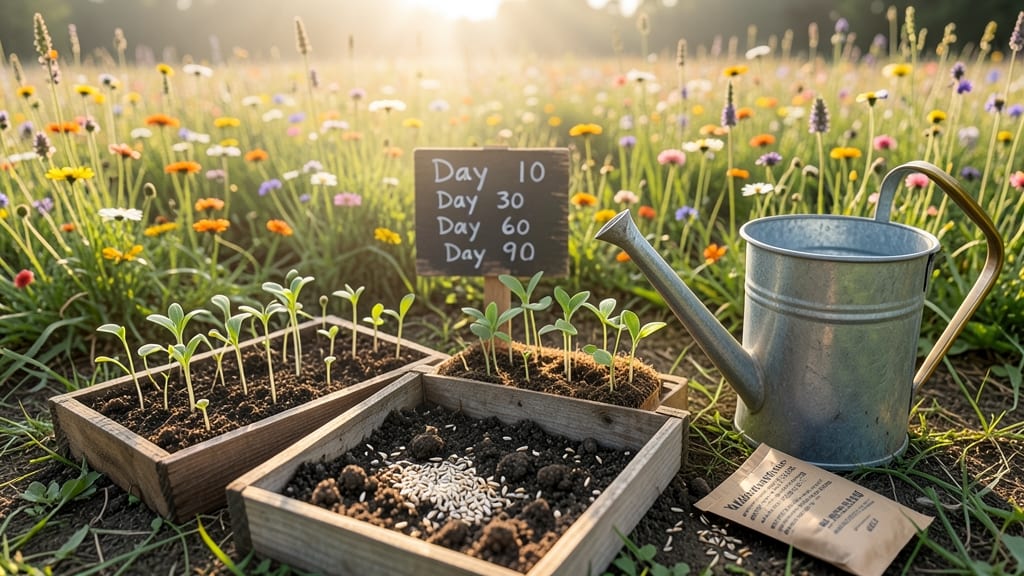
Wildflowers bloom from seed in as little as 6 weeks for fast varieties like cosmos, or they may take months for perennials like black-eyed Susans 🌼 — and the difference comes down to the species you choose.
Picture this: you scatter seeds in early spring, and by summer, your garden is a riot of color. But for others, the wait feels endless. The secret? Some wildflowers are designed to flower quickly, while others play the long game.
In this guide, I’ll break down the fastest bloomers, how to coax them along with the right care, and why your planting window matters more than you think.
You’ll learn which seeds to plant for instant gratification, how to adjust for your climate zone, and even how to stretch the blooming season so your garden stays lively all summer long.


Fastest wildflower varieties that bloom in weeks (not years)
If you're dreaming of a burst of color in your garden but don't want to wait years for blooms, focus on fast-growing wildflowers. Some varieties sprout and flower in just 4-8 weeks, transforming bare soil into a vibrant meadow.
The secret lies in choosing annual wildflowers with quick germination rates and minimal dormancy periods.
Annuals like cosmos and zinnias are champions of speed, often blooming within 60 days of planting. Perennials, while slower, can still deliver color in 8-12 weeks if given ideal conditions.
The key factors? Warm soil temperatures, consistent moisture, and full sun exposure. Let's dive into the fastest options and how to coax them into blooming faster.
| Variety | Germination Time | Bloom Time | Sun Needs | Climate Zones |
|---|---|---|---|---|
| Cosmos bipinnatus | 5-10 days | 6-8 weeks | Full sun | 3-10 |
| Zinnia elegans | 7-14 days | 6-10 weeks | Full sun | 2-11 |
| Marigold (Tagetes) | 4-7 days | 4-6 weeks | Full sun | 2-11 |
| Sunflower (Helianthus) | 7-21 days | 8-12 weeks | Full sun | 3-10 |
| Alyssum (Lobularia) | 7-14 days | 4-6 weeks | Full sun/part shade | 3-9 |
| Calendula officinalis | 10-20 days | 8-10 weeks | Full sun | 3-10 |
Marigolds top the list as the fastest bloomers, often showing color in just 4-6 weeks after planting. Their bright orange and yellow flowers not only attract pollinators but also deter pests naturally. For longer-lasting blooms, pair marigolds with cosmos, which continue flowering until frost in many climates.
If you're in a cooler climate (USDA zones 1-4), focus on fast-growing annuals like alyssum or calendula. These thrive in moderate temperatures and can bloom within 6-8 weeks even when planted early. In hotter zones (8-11), sunflowers and zinnias will reward you with rapid growth and dramatic blooms.
Timing your planting is crucial. For spring blooms, sow seeds 2-4 weeks before your last frost date. For fall color, plant 8-10 weeks before the first frost to ensure flowers mature before cold sets in.
In my Zone 6 garden, I've found that late March sowings yield summer blooms by June, while September plantings give autumn color until October.
Don't overlook soil preparation—warm, well-draining soil speeds up germination. Mix in compost before planting to provide nutrients without encouraging excessive foliage growth. I've seen zinnias bloom 2 weeks faster in amended soil compared to native clay. For containers, use a lightweight potting mix to prevent compaction.
While annuals dominate the fast-blooming category, some perennial wildflowers like black-eyed Susan (Rudbeckia) can bloom in 8-12 weeks if started early. These may not be as quick as marigolds, but they offer multi-year rewards with minimal replanting.
For me, the trade-off is worth it—they return year after year with bold yellow blooms that last from summer into fall.
Pro tip: Deadhead spent blooms to encourage continuous flowering. I've extended my cosmos blooms by 3-
Critical care triggers to speed up wildflower blooming time
Wildflowers often surprise gardeners with their resilience, but their bloom timing can vary dramatically based on care. The biggest accelerators for faster blooms are sunlight exposure, soil warmth, and consistent moisture.
Even the most patient gardener can feel the urge to rush results when zinnias or cosmos take too long to show color.
Many wildflowers need 6-8 hours of direct sun daily to trigger flowering. If your garden gets less, try moving containers to sunnier spots or prune nearby shade trees. Soil temperature also plays a critical role—most seeds need soil at 60°F or warmer to germinate quickly.
A black plastic mulch can warm soil by 5-10°F in just days.
⚠️ WARNING: Common Mistakes That Delay Blooms ⚠️
Watering frequency matters more than volume. Deep watering 2-3 times per week encourages strong roots, while light daily sprinkles create weak, shallow systems. For fastest results, water in the morning to reduce fungal risks and let foliage dry quickly. Avoid evening watering—it invites mildew and slows growth.
Fertilization is often misunderstood with wildflowers. Too much nitrogen-rich fertilizer (like lawn food) makes plants lush but flowerless. Instead, use a low-nitrogen, balanced formula (5-10-10) sparingly—just once during early growth. Over-fertilizing can double bloom times by prioritizing foliage over flowers.
Temperature swings also throw off timing. Nighttime temps below 50°F can stall bud development, while consistent warmth (above 70°F) speeds up the process. If your spring is cool, try row covers or cloche protection to maintain warmth. Some wildflowers, like lupines, even need a cold period to trigger blooming!
Finally, don’t forget to deadhead spent blooms—this redirects energy to new flowers and can extend the season by 3-4 weeks. With the right care, your cosmos might bloom in just 6-8 weeks instead of months, turning your garden into a vibrant canvas faster than you’d expect. 🌼