
Blooming
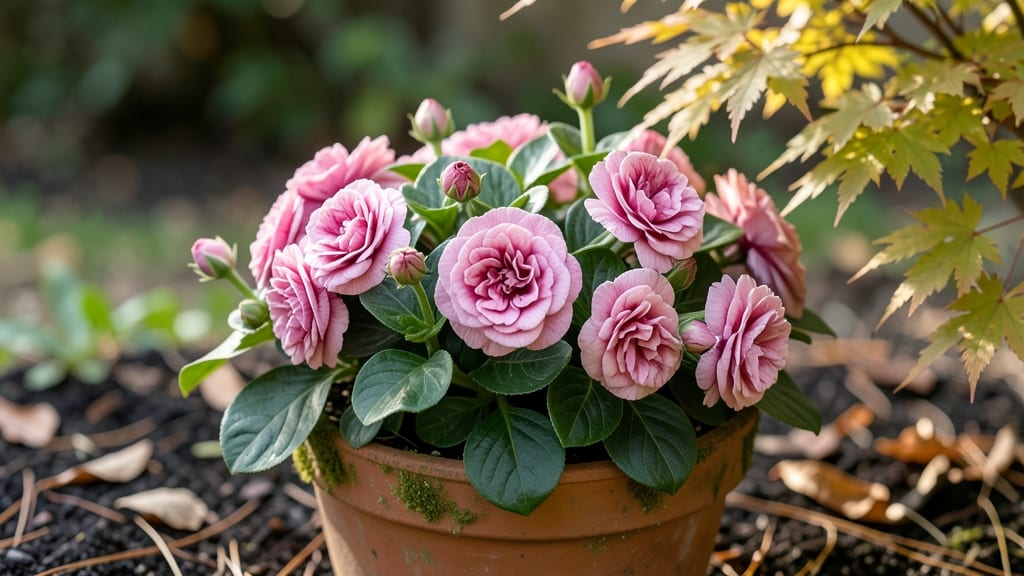
Double bloom impatiens transform shady spots into lush, flower-filled havens that keep giving all season. 🌿 I’ve grown them for years, and these varieties are the only impatiens that bounce back after frost—something single-bloom types can’t do.
The secret lies in their heat-responsive growth habit and how they handle pruning differently. They thrive in morning sun with afternoon shade, prefer moist but well-draining soil, and bloom nonstop if you deadhead regularly.
Unlike single-bloom types, these double-flowered varieties pack more color into each bloom, making them a showstopper in containers or garden beds. By following a few key care steps—like proper watering and pruning—you’ll get continuous blooms from spring until frost, even in hot summers.
The foliage stays lush, and pests rarely bother them, which means less work for you. Perfect for shady patios, woodland gardens, or hanging baskets. Let’s get those plants thriving!
📚 In This Guide
- What you need
- Instructions
- Tips and common mistakes
- Wrapping up and next steps
What you need
- ● Double Bloom Impatiens Seeds or Plants: Choose heat-responsive varieties like 'Double Bloom Purple' or 'Double Bloom Red'. Buy 3–5 plants for a full, vibrant display.
- ● Well-Draining Potting Mix: 5–10 gallons (depending on container size). Opt for a blend with peat moss or coconut coir for moisture retention.
- ● Containers or Garden Bed: Containers: 5–15 gallon pots with drainage holes (1 plant per 1–2 gallons of soil). Hanging baskets should be 12+ inches wide.
- ● Garden Beds: Ensure partial shade (4–6 hours of morning sun) and rich, moist soil amended with compost.
- ● Slow-Release Fertilizer: 10–20 lb bag of balanced (10-10-10) or high-phosphorus (5-10-5) fertilizer for blooms.
- ● Mulch: 2–3 inches of organic mulch (e.g., shredded bark or pine straw) to retain moisture and regulate soil temp.
- ● Hand Trowel or Transplant Spade – For planting and soil prep.
- ● Watering Can or Hose with Gentle Nozzle – Impatiens love moisture but hate soggy roots!
- ● Pruning Shears – To trim leggy stems and encourage bushier growth.
- ○ Shade Cloth (30–50%) – Optional for hot climates to protect from afternoon sun.
- ● Epsom Salt (Magnesium Sulfate) – 1 tbsp per gallon of water, used monthly for extra lush blooms.
- ○ Compost Tea or Fish Emulsion – Optional foliar feed for a nutrient boost during flowering.
How to grow double bloom impatiens for maximum heat tolerance
These vibrant, resilient plants thrive when you follow their unique needs—especially after frost.
🌱 Step 1: Choose the Right Location After Last Frost
Double bloom impatiens love partial to full shade—they’ll wilt in harsh afternoon sun, even in heat-responsive varieties. I always wait until after the last frost date and pick a spot that gets morning sun and afternoon shade, like under tall shrubs or near the north side of your house. The soil should stay consistently moist but well-drained; these plants can’t handle soggy roots.
Here’s the thing—if your area has hot summers, mulch heavily with 2-3 inches of organic mulch (like shredded bark) to keep roots cool. I’ve seen impatiens in full sun struggle, but with proper shade and mulch, they’ll bounce back beautifully after frost damage.
💧 Step 2: Water Deeply and Consistently
Water 1-2 inches per week, but check the soil first—top inch should feel damp before watering again. Double bloom impatiens hate drying out, so I use a soaker hose or drip irrigation to keep moisture even. If leaves start curling or wilting, that’s your signal to water immediately—heat stress hits fast.
Don’t skip this: Water at the base, not overhead. Wet foliage in hot weather invites fungal diseases, and impatiens are especially prone to powdery mildew. I water in the early morning so leaves dry quickly—this keeps plants healthy even in heat waves.
☀️ Step 3: Fertilize for Heat-Responsive Growth
Use a balanced, water-soluble fertilizer (like 10-10-10) every 2-3 weeks once plants are established. Double bloom impatiens need steady nutrients to rebound after frost and handle heat. I mix the fertilizer with water and apply it at the base, avoiding leaves to prevent burns.
Here’s a trick: Reduce fertilizer in extreme heat—too much nitrogen can stress plants. If your area hits 90°F+, cut back to once a month and focus on watering. You’ll see stronger, more resilient growth when you match feeding to temperature.
✂️ Step 4: Prune for Bushier Blooms
Pinch back new growth by 1/3 when plants are 6-8 inches tall to encourage branching. This step is crucial—without pruning, double bloom impatiens grow leggy and produce fewer flowers. Use clean, sharp scissors to avoid tearing stems, and remove any yellow or diseased leaves immediately.
After frost damage, give plants a light trim to remove dead foliage. New growth will emerge from the base, and with proper pruning, you’ll get a fuller, more vibrant plant. I prune in the early morning when temperatures are cooler—this reduces stress on the plant.
🪴 Step 5: Protect from Late Frost and Heat Spikes
If frost is forecasted, cover plants with frost cloth at night—double bloom impatiens can survive light frost but may struggle with hard freezes. In extreme heat (above 95°F), provide afternoon shade with a lightweight shade cloth (30-50% shade) to prevent wilting.
Real talk: Reblooming after frost takes patience. If plants look damaged, don’t rush to prune—wait until new growth appears. With proper care, they’ll bounce back with even more vibrant blooms. I’ve seen impatiens recover beautifully after frost if given time and consistent moisture.
Tips & tricks for perfect double bloom impatiens
These resilient plants reward patience—here's how to maximize their heat tolerance and post-frost recovery.
Shade Strategy: In Step 1, when selecting your location, prioritize spots with morning sun exposure but afternoon shade from structures or taller plants. I've found that even heat-responsive varieties can struggle if exposed to more than 2-3 hours of direct afternoon sun—especially when temperatures climb above 90°F. Consider using a temporary shade cloth (30-50%) during peak summer afternoons if natural shade isn't available.
Watering Precision: The 1-2 inches per week guideline in Step 2 is perfect, but here's the key: use your finger to check soil moisture at the 1-inch depth mentioned. In extreme heat (above 95°F), you may need to increase to 2 inches weekly. I've noticed that watering at the base—rather than overhead—significantly reduces fungal issues, particularly powdery mildew, which these varieties are prone to during hot, humid periods.
Fertilizer Timing: When applying your balanced 10-10-10 fertilizer every 2-3 weeks in Step 3, remember that the timing matters just as much as the product. Always apply in the early morning when temperatures are cooler, and avoid getting fertilizer on leaves to prevent burns. In areas that regularly exceed 90°F, I've found that reducing to monthly applications during peak summer heat actually produces more robust plants with better heat tolerance.
Pruning Technique: For Step 4's pruning instructions, here's what I've learned: when pinching back new growth by 1/3, focus on the outer leaves rather than the center. This encourages bushier growth while maintaining the plant's natural shape. For frost-damaged plants, wait until you see new growth emerging from the base before pruning—this ensures you're not removing potential recovery points. I always sterilize my pruners with rubbing alcohol between cuts to prevent disease transmission.
Pro Tips for Double Bloom Impatiens
- These resilient plants reward patience—here's how to maximize their heat tolerance and post-frost recovery.
- Shade Strategy: In Step 1, when selecting your location, prioritize spots with morning sun exposure but afternoon shade from structures or taller plants.
- Watering Precision: The 1-2 inches per week guideline in Step 2 is perfect, but here's the key: use your finger to check soil moisture at the 1-inch depth mentioned.
Frequently asked questions
Got questions about growing double bloom impatiens? You’re not alone! Here are answers to the most common queries to help you cultivate these vibrant, resilient flowers with confidence.
Can double bloom impatiens survive frost, or do they always die back?
Double bloom impatiens are not frost-tolerant—they’ll die back in freezing temps (below 32°F/0°C). However, their roots often survive, allowing them to rebloom aggressively in warm weather. For a head start, start seeds indoors 6–8 weeks before the last frost or opt for transplants after danger of frost has passed.
How long does it take for double bloom impatiens to flower after planting?
With ideal conditions (warm soil, full sun to partial shade, and consistent moisture), you can expect blooms in as little as 6–8 weeks from transplanting. For faster results, choose heat-responsive varieties like ‘Double Rainbow’ or ‘Super Elfin,’ which thrive in heat and bloom prolifically once established.
Why are my double bloom impatiens wilting or turning yellow?
Wilting or yellowing often signals overwatering or poor drainage. These plants love moisture but hate soggy roots. Ensure pots have drainage holes and soil stays evenly damp (not waterlogged). Yellow leaves can also indicate nutrient deficiency—feed with a balanced fertilizer (10-10-10) every 4–6 weeks during the growing season.
Are there alternatives to double bloom impatiens for shade gardens?
If you love the trailing, bushy habit of double bloom impatiens but want more shade-tolerant options, try:
- Begonias (e.g., Begonia boliviensis) – Thrives in low light and blooms in pink/white.
- Fuchsias – Offers double blooms in vibrant colors and handles partial shade.
- Caladiums – Stunning foliage (not flowers) but perfect for deep shade.
Do double bloom impatiens attract pests, and how do I prevent them?
These plants are pest-resistant, but aphids or spider mites may appear in dry heat. Prevent issues by:
- Misting leaves regularly to deter mites.
- Using neem oil as a preventive spray.
- Avoiding overhead watering to reduce fungal diseases.
Wrapping up and next steps
Double Bloom Impatiens are a fantastic choice for gardeners who love vibrant, resilient blooms—even in challenging conditions! 🌸 Their ability to rebound after frost and thrive in heat makes them a standout for seasonal color.
Whether you're a beginner or a seasoned pro, these flowers offer low-maintenance beauty with high rewards.
Ready to transform your garden? Start by selecting your favorite variety, gathering the right supplies, and giving these beauties the care they deserve. Watch them flourish and enjoy the stunning double blooms all season long!