
Blooming
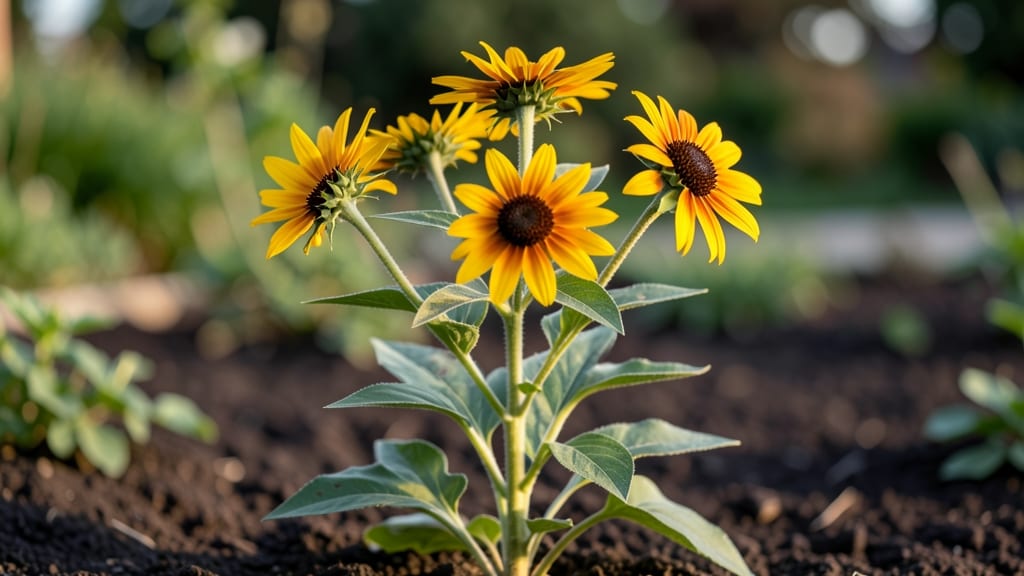
The black-eyed Susan bloom season transforms gardens into cheerful gold 🌼 when timed just right, especially in mid-to-late summer.
If you’ve ever wondered why your Black Eyed Susans vanish after frost only to return with vibrant blooms, you’re not alone. These hardy perennials thrive on resilience, but knowing their bloom season and frost recovery secrets can transform your garden from patchy to prolific.
In USDA Zone 6a, where frost lingers until mid-April, most varieties like 'Indian Summer' kick off their show in July, peaking through September. But late frosts can delay or even stop reblooming—unless you know the right tricks to coax them back.
Below, I’ll break down the month-by-month bloom timeline, how to protect them from frost damage, and 5 proven methods to extend their show well beyond the usual season—so your garden stays bright and bountiful.
Black Eyed Susan bloom season: month-by-month timeline and climate zones
Black Eyed Susans (Rudbeckia hirta) are famous for their bold, cheerful blooms that light up gardens from early summer through fall. But their bloom season varies dramatically depending on your USDA hardiness zone and local climate.
Understanding these patterns helps you plan for peak flowering and even encourage a second flush of blooms.
In warmer zones (8-10), Black Eyed Susans often start blooming as early as June, while gardeners in cooler zones (3-6) may not see their first flowers until July or August.
Late frosts can delay blooming or even kill back tender new growth, but these resilient perennials typically rebound with stunning vigor once temperatures rise consistently above 50°F.
Here’s how bloom timing breaks down across the country, including key months for first flushes, peak blooming, and potential second flushes in favorable conditions:
🌼 Pro Tip: Note that reblooming varieties like 'Cherry Brandy' or 'Indian Summer' may produce a second flush in late summer or early fall, especially if you deadhead spent blooms and maintain consistent moisture.
In cooler zones (3-5), Black Eyed Susans often wait until July or August to bloom because early-season growth is slowed by cold soil and late frosts. If you’re in these regions, consider planting tender varieties like 'Goldsturm' in protected microclimates or near south-facing walls to encourage earlier blooming.
Gardeners in warmer zones (8-10) enjoy a longer bloom season, sometimes from May through October. The key to extending their season here is consistent watering and deadheading spent blooms.
In my own Zone 8 garden, I’ve seen 'Indian Summer' rebloom into November with minimal care beyond removing faded flowers.
Late frosts can delay blooming or even kill back new growth, but Black Eyed Susans are remarkably resilient. If frost hits after buds form but before blooming, the plants often recover quickly once temperatures warm.
In Zone 6 or colder, I’ve found that mulching heavily in early spring helps protect roots and encourages faster regrowth after frost.
For a second flush of blooms, focus on deadheading (removing spent flowers) and maintaining moderate moisture throughout the season. In my experience, varieties like 'Cherry Brandy' respond best to this approach, often producing a late-summer rebloom that lasts into October in many regions.
If you’re in a drier climate, like much of the Southwest (Zones 7-9), Black Eyed Susans may bloom earlier but require less frequent watering once established. I’ve seen them thrive with weekly deep waterings during drought conditions, thanks to their deep taproots.
To maximize your Black Eyed Susan’s bloom season, plant them in full sun (6+ hours daily) and well-draining soil. Amend heavy clay with compost to improve drainage, as these plants hate soggy roots.
With the right conditions, you’ll enjoy months of vibrant color and even attract pollinators like bees and butterflies to your garden.
How Black Eyed Susans rebound after frost: survival tips and pruning tricks
Black Eyed Susans (Rudbeckia hirta) are famous for their ability to bounce back after frost, but their recovery depends on timing and care. After a hard freeze, the foliage may look crispy or brown, but the roots often survive.
The key is knowing when to prune and how to protect new growth as temperatures fluctuate.
Not all varieties handle frost the same way. For example, 'Cherry Brandy' with its deep red petals tends to be more cold-hardy than 'Indian Summer', which may need extra protection in early spring. Understanding these differences helps you tailor your frost recovery strategy to your specific plants.
⚠️ callout warning ⚠️
⚠️ Critical Frost Timing Alert
Black Eyed Susan bloom season peaks in July-September, but late frosts before May 15 can delay reblooming. If frost hits after new shoots appear (usually April-May), protect tender growth with row covers or mulch—never prune until all frost risk has passed.
🌱 Pro Tip: Wait until mid-May in most USDA zones before cutting back dead foliage.
Start by assessing your plants in early spring. If the foliage is completely blackened, it’s safe to cut it back to 2-3 inches above the ground using clean, sharp pruners.
This removes dead material and allows energy to focus on new growth. Avoid heavy pruning too early, as the plant may still be dormant.
For varieties like 'Goldsturm', which is known for its prolonged blooming, you’ll want to be especially gentle. These plants often produce a second flush of flowers in late summer, so preserving some foliage helps support this rebloom.
Use your pruners to remove only the most damaged stems and leave healthy leaves intact.
Once new growth appears, protect it from late frosts with lightweight row covers or a thick layer of mulch. A 2-3 inch layer of straw or shredded leaves insulates the soil and keeps roots warm.
Water sparingly during this time—overwatering can stress the plant as it recovers from frost damage.
After the last frost date in your area (typically mid-April to early May depending on your zone), you can resume regular care. Apply a balanced fertilizer (like 10-10-10) to encourage vigorous growth, and deadhead spent blooms throughout the season to prolong flowering.
With the right care, your Black Eyed Susans will reward you with bold, cheerful blooms from summer through fall.