
Blooming
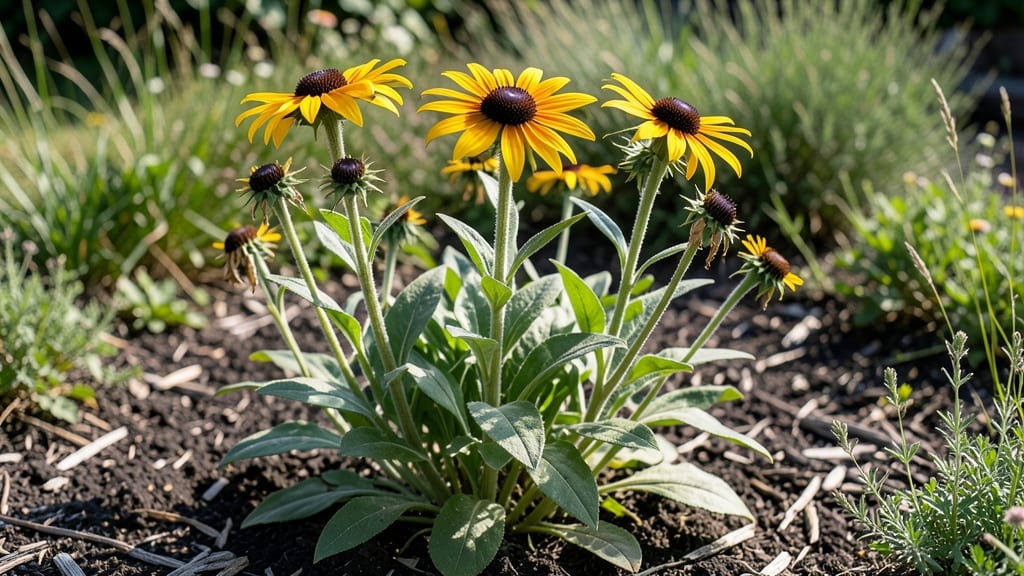
Black Eyed Susans do bloom all summer with consistent care, though their flowering habits depend on the variety and maintenance. Most produce one main bloom cycle unless you deadhead spent blooms regularly. Varieties like 'Little Becky' and 'Golden Fleece' naturally extend their display, especially in warm climates with regular moisture.
Black Eyed Susans are famous for their cheerful yellow blooms, but their summer-long performance depends on two key factors: genetics and your gardening habits. 🌻 The classic 'Indian Summer' variety, for example, typically blooms from midsummer to fall without extra effort, while others need deadheading (removing faded flowers) to trigger new blooms.
I've found that even in cooler regions, providing well-draining soil and afternoon shade can help sustain their flowering well into September.
What many gardeners overlook is how climate plays a role—consistent moisture is critical, especially during heatwaves. In my zone 7 garden, I water deeply twice a week and mulch heavily to retain moisture, which has kept my 'Golden Fleece' variety blooming for nearly 12 weeks straight.
The secret isn't just water, though—it's also about timing. Pruning back leggy stems after the first flush encourages bushier growth and more flowers.
💡 In This Article
- Black Eyed Susan Bloom Cycles by Variety
- Climate and Care Tips for Year-Long Blooms
Black Eyed Susan bloom cycles by variety
The flowering habits of Black Eyed Susans vary dramatically between varieties due to their genetic makeup. Classic types like 'Indian Summer' produce a single, abundant bloom cycle that naturally extends from late summer into fall without deadheading.
These varieties are bred for hardiness and longevity, with some specimens lasting up to 8-10 weeks in ideal conditions. The key difference lies in their growth habit—they focus energy on one spectacular display rather than continuous blooming.
Modern cultivars like 'Little Becky' and 'Golden Fleece' are bred specifically for extended flowering.
These varieties can produce multiple bloom cycles throughout the season when you remove spent flowers—a process called deadheading. 🌼 The science behind this is simple: by cutting back faded blooms, you signal the plant to redirect energy from seed production to new flower growth.
'Little Becky', for example, often blooms continuously from early summer through fall with proper care, while 'Golden Fleece' produces dense clusters that last longer due to its compact growth habit and thicker stems.
Genetics also determine how quickly plants respond to deadheading. Some varieties like 'Wahoo' recover faster, producing new blooms within 3-4 weeks after pruning, while others may take 6-8 weeks. The difference comes down to their natural growth rate and energy storage mechanisms.
In my experience with zone 6 gardens, the most reliable rebloomers are those with shorter internodes (spaces between leaves), as they have more nodes capable of producing new flowers.
Another important factor is the plant's maturity. Younger plants (first year) typically produce fewer blooms as they focus on root establishment, while established plants (2+ years old) can handle more aggressive deadheading. This is why many gardeners recommend waiting until the second year to expect consistent summer-long blooms.
The trade-off is that heavy deadheading can reduce overall plant vigor if not balanced with proper fertilization and watering.
For those seeking continuous color, dwarf varieties like 'Becky' and 'Golden Fleece' are excellent choices. Their compact size (12-18 inches tall) makes them ideal for containers or borders where space is limited.
These varieties often produce smaller individual flowers but in much greater numbers, creating a dense carpet of color that lasts longer than their taller counterparts.
What most gardeners don't realize is that some varieties actually benefit from light pruning even between bloom cycles. Cutting back stems by one-third after the first major flush encourages bushier growth and more secondary blooms.
This technique works particularly well with 'Little Becky', which responds beautifully to this mid-season trim while maintaining its compact form.