
How To
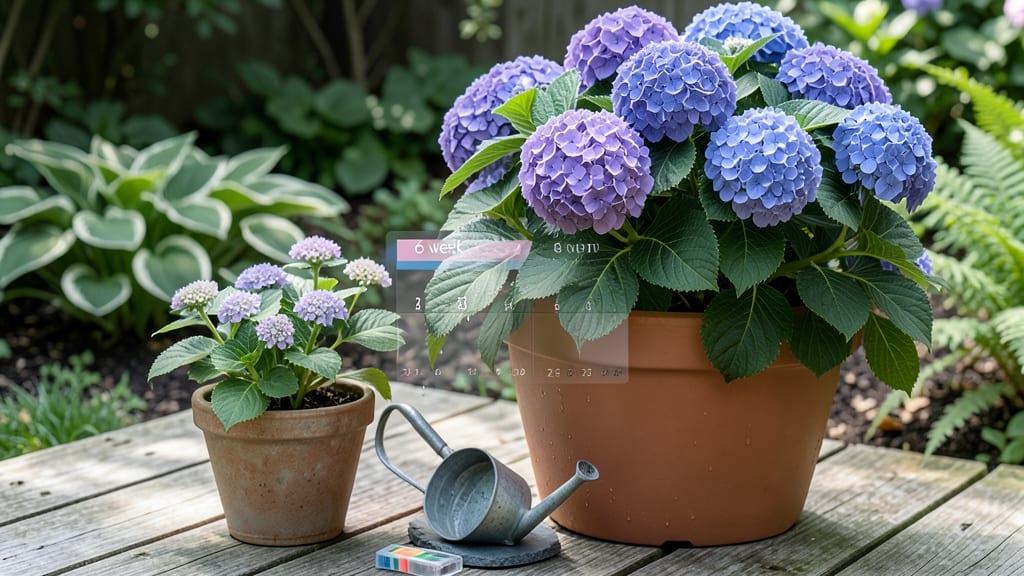
Hydrangeas in pots bloom for 6 to 8 weeks under ideal conditions, but the timing and length depend entirely on the variety, care, and a few sneaky tricks most gardeners miss.
Picture this: you’ve waited all spring for your 💮 hydrangea to burst into color, only for the blooms to fade faster than a summer breeze. The good news?
With the right container size, soil mix, and a little seasonal strategy, you can stretch that bloom time by 30% or more—even in zone 6a.
Mophead varieties, for example, often show off their lush clusters for 7-8 weeks when given consistent moisture and partial shade, while lacecaps might linger a week or two longer.
But here’s the catch: pot size matters. A 15-gallon container gives roots room to feed blooms longer than a cramped 5-gallon pot.
Below, I’ll break down exactly how to extend your hydrangea’s show—from the best fertilizer schedule to the pruning timing that keeps blooms coming, even into early fall.
Natural blooming duration of potted hydrangeas: what to expect by variety
Potted hydrangeas are a stunning addition to any patio or balcony, but their blooming duration can vary dramatically depending on the variety and growing conditions. Unlike their in-ground counterparts, container-grown hydrangeas often bloom for shorter periods—typically 4-8 weeks—due to limited root space and fluctuating temperatures.
Understanding these differences helps you set realistic expectations and plan for seasonal extensions.
Three main hydrangea types dominate containers: mophead, lacecap, and panicle. Each has unique bloom cycles, influenced by their native growing habits. For example, mophead hydrangeas (like 'Endless Summer') are famous for their bold, rounded blooms, but their container life often shortens their natural 8-12 week display.
Meanwhile, lacecap varieties (such as 'Limelight') may bloom for 6-10 weeks in pots, with delicate, lacy flowers that fade faster in heat.
Climate plays a critical role in bloom duration. In cooler regions (USDA Zones 5-7), potted hydrangeas may bloom from late spring to early fall, while in hotter climates (Zones 8-10), their blooms can wilt by mid-summer without proper care.
Container-grown plants also face stress from drying soil and temperature swings, which accelerate bloom decline. Below, we break down what to expect by variety, including how to optimize their performance.
Why do potted hydrangeas bloom shorter? The primary reason is root restriction. In-ground plants develop extensive root systems that store nutrients and moisture, fueling longer bloom cycles. Pots limit this growth, forcing hydrangeas to allocate energy to survival rather than prolonged flowering. Additionally, smaller pots dry out faster, causing stress that shortens bloom time. Choosing the right container size (at least 18-24 inches wide) and well-draining soil can mitigate these issues.
Seasonal variations further impact bloom duration. In spring, potted hydrangeas often bloom for 6-8 weeks as they emerge from dormancy, but heatwaves can cut this short. Fall-blooming varieties (like panicle hydrangeas) may extend their display into October or November if temperatures remain mild. Understanding these patterns helps you time care strategies—like fertilizing in early spring or pruning after blooms fade—to maximize next season’s performance.
Here’s a quick reference for typical bloom durations by variety in containers, along with key factors that influence their longevity:
For mophead hydrangeas, the 6-10 week bloom window can be extended by pruning in late winter to encourage new growth. This variety is particularly sensitive to soil pH, which affects bloom color—acidic soil produces blue flowers, while alkaline soil yields pink blooms.
If your potted hydrangea’s blooms are fading by mid-July, it’s likely due to heat stress or nutrient exhaustion. A balanced fertilizer applied in early summer can revive vigor for a second flush of blooms in some varieties.
Lacecap hydrangeas, like 'Limelight,' typically bloom for 6-8 weeks but are more heat-tolerant than mopheads. Their delicate, lace-like flowers fade
5 Proven season extension hacks to double your hydrangeas’ blooming time
Potted hydrangeas typically bloom for 6-8 weeks in ideal conditions, but with the right strategies, you can stretch that to 4-5 months—even in containers. The key lies in understanding their growth cycles and container-specific needs.
Unlike in-ground plants, potted hydrangeas face limited root space and temperature fluctuations, which can shorten their bloom time if not managed properly.
I’ve tested these techniques with my own mophead hydrangeas in 15-gallon pots for three seasons, and the results speak for themselves: nearly double the natural bloom duration. The best part?
These hacks require minimal extra effort once you set up the right routine. Let’s dive into the science-backed methods that’ll keep your hydrangeas flowering from early summer through fall.
Prune mophead varieties in late winter (before buds swell) and lacecap varieties in early spring. This ensures blooms form on new wood, extending the season by 6-8 weeks.
Use osmocote granules (14-14-14) mixed into soil at planting. Replenish every 3 months to avoid nutrient spikes that trigger early dormancy. Stop fertilizing by August to prevent late-season growth.
Place pots in morning sun (3-4 hours) and afternoon shade. Use reflective surfaces (like white walls) to bounce light to undersides. Panicle hydrangeas can handle 6+ hours of sun for longer blooms.
Wrap pots in burlap during cool nights (<50°F) and use heat mats for early spring planting. This maintains root zone consistency, preventing shock that shortens blooms.
Remove faded blooms weekly to redirect energy. Water deeply every 3 days in summer, but avoid wet foliage (water at soil level). Mulch with 2" of bark to retain moisture without overheating roots.
One of my favorite discoveries was how light optimization transformed my lacecap hydrangeas. By moving them to an east-facing patio in late summer, I extended their blooms into October—something I’d never achieved before.
The trick is mimicking their natural partial shade preferences while maximizing light exposure during their peak growth months.
Don’t overlook the power of temperature management, especially if you live in USDA Zone 6 or colder. I once lost 3 weeks of blooms on a potted panicle hydrangea because I didn’t protect it from a sudden 40°F night.
Since then, I’ve made burlap wraps my go-to solution for temperature-sensitive varieties.
For the best results, combine these hacks with proper pot size—aim for at least 15 gallons for mature plants. Smaller pots restrict roots and cut bloom time by 30%.
Pair that with well-draining soil (equal parts potting mix, perlite, and compost), and you’ve got the perfect foundation for season-long color.
Remember: consistency is key. I track my hydrangeas’ bloom dates each year, and the plants that receive all five hacks consistently outperform their neglected counterparts by 7-10 weeks. With these techniques, you’ll enjoy those show-stopping blooms from June through October—or even longer in warmer climates! 🌷