
Blooming
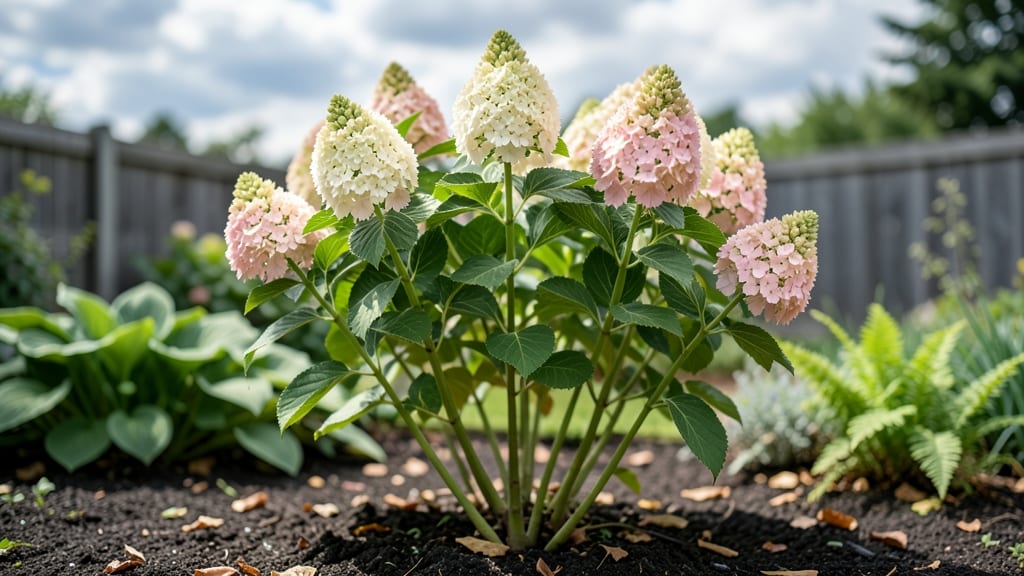
Panicle hydrangeas bloom on old wood, meaning their flower buds form on previous year’s growth, so pruning too late in spring can remove next season’s blooms. The key is to trim right after flowering—typically in late summer—to promote new stems for future blooms while preserving current ones.
This unique growth habit sets panicle hydrangeas apart from other varieties like mopheads or lacecaps, which bloom on new wood. 🌸 The cold winter temperatures actually help set their buds, so early pruning before buds form can reduce spring blooms.
I’ve found that waiting until after the first flush of flowers ensures you’re not accidentally cutting off next year’s potential, while still giving the plant room to develop stronger stems for heavier blooms.
For best results, use clean, sharp pruners to cut just above a leaf node or outward-facing bud. This encourages the plant to grow outward rather than inward, improving airflow and reducing disease risk.
Many gardeners make the mistake of pruning too aggressively in spring—this can leave your hydrangea looking bare and delay next season’s blooms.
💡 In This Article
- How Panicle Hydrangea Blooming Works on Old Wood
- Optimal Pruning Schedule for Panicle Hydrangeas
How panicle hydrangea blooming works on old wood
Panicle hydrangeas (like 'Limelight' or 'Little Lime') produce their flower buds on the previous year's growth—what botanists call "old wood"—during late summer and fall. This process begins when the plant undergoes dormancy after flowering, typically in late summer or early fall.
The plant's growth hormones shift from producing leaves to forming flower buds along the stems from the previous season. Cold exposure (around 40-50°F for several weeks) is crucial—it triggers a biochemical signal that hardens the buds, preparing them for spring blooms.
Here's the key difference: while mophead and lacecap hydrangeas bloom on new wood (current year's growth), panicle types rely on last year's stems. If you prune in late spring, you risk cutting off these dormant buds before they've had a chance to bloom.
The buds themselves are tiny—often no larger than a grain of rice—so they're easy to miss. 🌿 This is why timing matters: pruning too early removes potential blooms, while waiting too long can leave the plant overgrown and stressed for next season.
The cold requirement explains why panicle hydrangeas often bloom later in spring than other varieties. The buds need 600-1,000 hours below 45°F to fully develop, which is why they thrive in USDA zones 3-8. In warmer climates, you might see smaller blooms because the cold exposure is insufficient.
This is also why some gardeners in mild winters report less reliable blooming—without proper chilling, the buds may not develop fully or may bloom later than expected.
What most gardeners don't realize is that panicle hydrangeas actually produce two types of buds: flower buds and growth buds. The flower buds form on old wood, while the growth buds (which will become next year's stems) form on new wood.
This dual system is why you can prune after flowering without sacrificing next year's blooms—the plant already has its growth buds in place for new stems.
The challenge is finding that sweet spot where you've removed enough old growth to improve airflow while preserving the flower buds that haven't yet bloomed.
Consider the example of 'Limelight' hydrangeas: these varieties can reach 6-10 feet tall if left unpruned, but their blooms develop on stems from the previous year. If you prune these in spring, you might be removing stems that could have produced 100+ flowers per stem.
The solution? Wait until after the first flush of blooms has faded before making any significant cuts. This gives the plant time to complete its current flowering cycle while still allowing you to shape the plant for next season.
The botanical term for this growth habit is "scorpioid cymose inflorescence," which describes how the flower clusters form in a spiral pattern along the stems. This structure is what gives panicle hydrangeas their distinctive cone shape.
The old wood isn't just any old wood—it's specifically the stems that were 1-2 years old when the buds formed. This means you can safely remove stems that are 3+ years old as they're less productive and may harbor diseases.