
Blooming
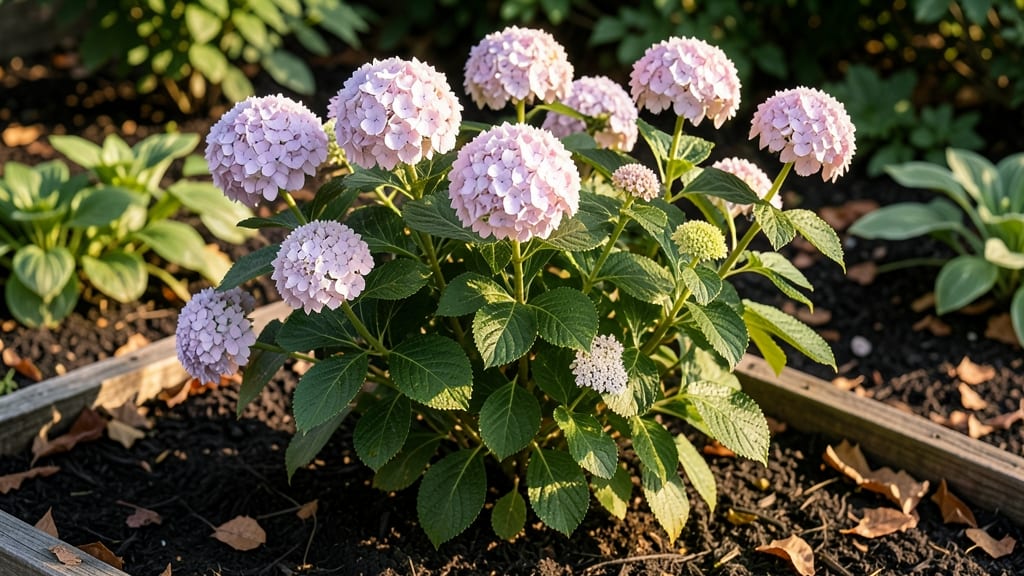
Endless Summer hydrangeas bloom on old wood, meaning last year’s growth holds the buds for this year’s stunning 🌸 clusters.
Struggling to keep your Endless Summer hydrangeas blooming all season? The secret lies in understanding their unique growth patterns—especially how they bloom on old wood—and mastering the right pruning techniques.
Unlike some hydrangeas that flower on new growth, these beauties rely on stems from previous seasons. Prune at the wrong time, and you risk cutting off next year’s blooms before they even form.
In this guide, I’ll break down exactly when and how to prune for maximum flowers, troubleshoot common mistakes, and share seasonal care tips to keep your hydrangeas thriving.
Why Endless Summer hydrangeas bloom on old wood (and how it differs from other varieties)
If you’ve ever wondered why your Endless Summer hydrangeas keep blooming year after year while other varieties struggle, the answer lies in their unique growth habit: they bloom on old wood.
Unlike many hydrangeas that rely on new growth, these beauties produce flowers on stems from the previous growing season. This biological quirk means timing your pruning and care just right can mean the difference between a bush bursting with blooms and one that barely flowers.
The old-wood blooming trait makes Endless Summer hydrangeas stand out among hydrangea varieties. While most hydrangeas—like Limelight or Annabelle—produce flowers on new wood (current season’s growth), Endless Summer’s ability to bloom on previous year’s stems gives it a competitive edge.
This means you can prune later in the season without sacrificing next year’s flowers, a luxury other varieties don’t offer.
| Hydrangea Type | Blooms On | Best Pruning Time | Flowering Season |
|---|---|---|---|
| Endless Summer | Old Wood | Late Winter/Early Spring | Summer to Fall |
| Limelight | New Wood | Late Winter | Mid to Late Summer |
| Annabelle | New Wood | Early Spring | Summer |
| Oakleaf | Old Wood | Late Winter | Summer to Fall |
The biological reason behind old-wood blooming in Endless Summer hydrangeas is tied to their growth cycle. During late summer and fall, the plant sets flower buds on the stems that grew the previous year.
These buds remain dormant through winter and burst into blooms the following summer. If you prune these stems too early, you risk removing next year’s flowers before they even form.
Climate plays a crucial role in this process. In warmer climates (USDA Zones 7-9), Endless Summer hydrangeas often bloom twice a year
However, in cooler climates, the plant may only bloom once, relying entirely on old wood. This is why timing your pruning and understanding your local climate are essential for maximizing blooms. One of the biggest misconceptions about old-wood bloomers is that they don’t need pruning. In reality, they do—but the key is to prune at the right time. Pruning too early (like in late winter) removes next year’s flower buds before they’ve formed. Instead, wait until late winter or early spring, just as new growth begins to appear. This ensures you’re only cutting back dead or overcrowded stems while preserving the buds for summer blooms. If you’re used to pruning new-wood hydrangeas like Limelight or Annabelle, you might be tempted to prune Endless Summer the same way. But this is a common mistake that can leave your plant with few to no flowers. New-wood hydrangeas bloom on current season’s growth, so they can handle aggressive pruning in late winter. Old-wood bloomers, however, need a gentler touch to avoid sacrificing next year’s blooms. To encourage the most blooms, focus on removing dead or weak stems and thinning out crowded branches. Avoid heavy pruning—never cut back more than 1/3 of the plant in a single session. This approach keeps the plant healthy while preserving the old wood that holds next year’s flowers. In my garden, I’ve found that a little patience and precision go a long way in keeping my Endless Summer hydrangeas looking their best. Another pro tip: If your Endless Summer hydrangea isn’t blooming as expected, check the stem color. Healthy old wood should be brown and woody, while new growth is green and flexible. If you see mostly green stems, you may have pruned too aggressively in the past. In this case, give the plant a year or two to recover before expecting a full bloom cycle. Understanding whether your hydrangea blooms on old or new wood isn’t just about pruning—it’s about respecting the plant’s natural growth cycle. Endless Summer hydrangeas are a gardener’s dream because they reward patience and careful pruning with season-long blooms. By mastering the art of old-wood pruning, you’ll unlock the full potential of this stunning shrub and enjoy a garden that stays in bloom from summer through fall.
Step-by-step pruning guide for Endless Summer hydrangeas to encourage old-wood blooms
Endless Summer hydrangeas are famous for their year-round blooms, but only if you prune them correctly. Unlike other hydrangeas that bloom on new wood, these beauties rely on old wood—last year’s stems—to produce their stunning flowers.
If you cut back too early or too late, you’ll miss the blooms entirely. Let’s fix that with a foolproof pruning plan tailored to each season.
First, identify old wood vs. new wood. Old wood is the thick, woody stems that grew last year, while new wood is the thinner, green growth from this spring.
The blooms form on those old stems, so protect them! Pruning at the wrong time can mean no flowers for months—or even the whole season.
- Step 1: Late Winter (Feb-March) – Prune dead or diseased wood only. Use clean, sharp pruners to cut back any blackened or damaged stems to healthy tissue. Avoid cutting live stems, even if they look ugly—those buds are hiding beneath!
- Step 2: Early Spring (April) – Wait until new buds swell (around late April in most zones). This signals the plant is waking up and ready for minimal trimming. Remove only 1-2 oldest stems to encourage airflow and larger blooms on remaining stems.
- Step 3: Post-Bloom (June-July) – Once flowers fade, deadhead spent blooms by cutting stems back to the first set of 5 healthy leaves. This redirects energy to new wood for next year’s blooms while keeping your hydrangea looking tidy.
- Step 4: Summer Maintenance – Remove only wilted or diseased flowers as they appear. Avoid heavy pruning—this encourages new growth that won’t bloom until next year. Focus on shaping lightly to maintain the plant’s form.
- Step 5: Fall Cleanup (Oct-Nov) – Prune away any remaining dead flowers but leave the old stems intact. These stems will overwinter and bloom again in spring! Add a 2-inch layer of mulch to protect roots.
Timing is everything with Endless Summer hydrangeas. If you prune in late winter or early spring, you risk cutting off next year’s blooms before they even form. Conversely, pruning too late in summer can stunt new growth, reducing next season’s flower potential.
Think of it like a balancing act—protect old wood while gently guiding new growth.
Don’t forget to sterilize your pruners between cuts with rubbing alcohol to prevent spreading disease. And always prune on a dry, cloudy day to reduce stress on the plant.
With this seasonal approach, your Endless Summer hydrangea will reward you with continuous blooms from spring through fall—and sometimes even into winter!
Pro tip: If your hydrangea skips blooming one year, it’s often a sign of over-pruning or nutrient deficiency. Boost blooms by adding a balanced fertilizer (like 10-10-10) in early spring and mulching heavily to retain moisture and nutrients.