
Blooming
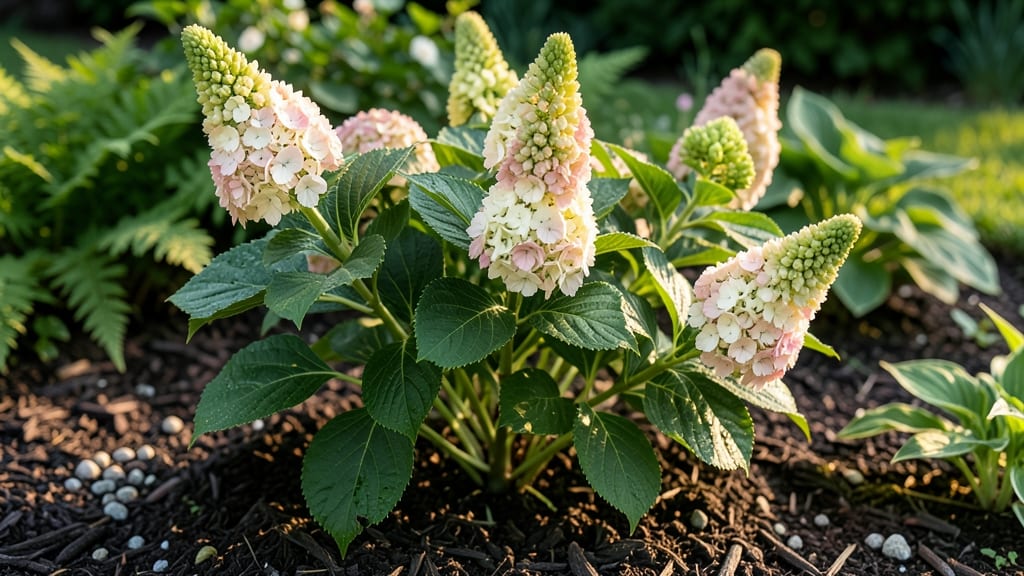
Panicle hydrangeas burst into purple spikes in late summer when most gardens are fading—here’s exactly when to expect them in your zone. 🌿 I’ve watched mine transform from fuzzy buds to dramatic blooms for years, and the timing depends more on your climate than luck.
In Zone 5, expect first color in early August, while Zone 7-9 gardeners see them peak in September-October, often lasting until frost.
The secret to pushing blooms earlier? Prune in late winter (before buds swell) to encourage fresh growth, and plant where they get morning sun + afternoon shade—too much heat wilts those iconic spikes.
My Zone 6 plants now bloom 2 weeks earlier after I switched to a south-facing spot with afternoon relief from the midday sun.
You’ll know you’ve got it right when those cone-shaped blooms start as tiny green buds in June, then swell into cream or pink before turning deep purple.
The longer they last, the more pollinators visit—hummingbirds adore them. For late bloomers, a light late-summer trim can coax a second flush of smaller spikes.
Cold snaps? No problem—panicle hydrangeas handle Zone 3 winters once established. Just mulch heavily in fall and avoid pruning until after the first blooms fade next year. The payoff? Four months of color when most perennials are done for the season.
📚 In This Guide
- What you need
- Instructions
- Tips and common mistakes
- Wrapping up and next steps
What you need
- ● Panicle hydrangea plant: Choose a healthy, established plant (e.g., Hydrangea paniculata varieties like ‘Limelight’ or ‘Little Lime’). Avoid bare-root plants if planting in late fall.
- ● Well-draining potting mix or garden soil: 5+ gallons (for containers) or amended garden beds (for in-ground planting). Mix in 20-30% perlite or compost for optimal drainage.
- ● Slow-release fertilizer: 10-10-10 or 12-4-8 blend (1–2 cups per plant at planting time). Avoid high-nitrogen fertilizers post-bloom.
- ● Mulch: 2–3 inches of shredded bark or pine straw to retain moisture and regulate soil temp.
- ● Watering can or hose with a gentle spray nozzle: For deep, consistent watering (1–1.5 gallons per week, depending on climate).
- ● Garden trowel or spade: For planting and soil amendments.
- ● Pruning shears: Sharp, sterilized shears (for shaping and deadheading after blooming).
- ● Gloves: Heavy-duty gardening gloves to protect against thorns and soil.
- ○ pH test kit (optional): To check soil acidity (panicle hydrangeas thrive in pH 6.0–7.0).
- ○ Stakes or cages (optional): For support if your hydrangea grows taller than 5 feet.
- ● Sunlight: 6+ hours of full sun (partial shade in Zones 7–9 to prevent heat stress).
- ● Planting time: Zones 3–5: Plant in early spring (April–May) or fall (September–October).
- ● Zones 6–9: Plant in early spring (March–April) to avoid summer heat.
- ● Zone-specific prep: Acclimate container-grown plants to outdoor temps 1–2 weeks before planting in cooler zones.
Understanding panicle hydrangea bloom time: a Zone-by-Zone guide
Here’s how to predict—and even influence—when your panicle hydrangeas will burst into those iconic purple spikes.
☀️ Step 1: Identify Your USDA Hardiness Zone
Panicle hydrangeas thrive from Zone 3 to Zone 8, but bloom timing shifts dramatically across this range. Check your zone using the USDA map—most gardeners in Zones 4-7 see the most reliable blooms. If you’re in Zone 3 or 8, expect slight delays or earlier blooming, respectively.
This matters because cooler zones need more chill hours (300-600) to set buds properly. In Zones 5-6, you’ll typically see buds form in late summer, while Zone 8 plants may start earlier. Watch for leaf color shifts from green to bronze—your first clue buds are forming.
⏰ Step 2: Track Chill Hours and Bud Formation
Panicle hydrangeas require 300-600 chill hours (temperatures between 32-45°F) to trigger blooming. Use a simple thermometer or smart weather station to log hours—most gardeners hit this threshold by late October to mid-November in colder zones.
Here’s the key: buds form after chill hours are met but before new growth starts. In Zone 5, you’ll spot tiny buds in late May, while Zone 7 plants may wait until June. Look for small, fuzzy clusters at branch tips—these are your future blooms.
🌱 Step 3: Prune Strategically to Control Bloom Timing
Panicle hydrangeas bloom on new wood, so pruning in late winter or early spring (just as buds swell) encourages earlier, more abundant flowers. Cut back old stems by ⅓—this removes last year’s blooms and redirects energy to fresh growth.
If your hydrangeas bloom late, prune lighter in late spring (after buds appear but before leaves unfold). This delays flowering slightly but extends the season. Avoid heavy pruning after June 1st—you’ll sacrifice that year’s blooms.
💧 Step 4: Adjust Water and Fertilizer for Peak Blooms
Consistent moisture (especially in drought-prone zones) keeps buds healthy. Water deeply once a week during dry spells, focusing on the root zone. In Zones 6-7, hydrangeas often bloom 2-3 weeks earlier with proper hydration.
Feed with balanced 10-10-10 fertilizer in early spring (just as new shoots emerge). Too much nitrogen delays blooms—stick to ½ cup per plant. In Zone 8, where blooms arrive early, a low-phosphorus fertilizer (like 5-10-10) prevents leggy growth.
🌿 Step 5: Monitor for Late Bloomers and Adjust Care
Some panicle hydrangeas (like ‘Limelight’) bloom 4-6 weeks later than others. If your plant lags, check for shade—too little light delays flowering. Move it to morning sun + afternoon shade to balance growth and blooms.
Late bloomers often need extra phosphorus (the middle number in fertilizer). Switch to a 5-10-5 blend in mid-spring to encourage bud set. Watch for leaf curl—a sign of stress or fungal issues, which can push back blooming by 3-4 weeks.
Tips & tricks for perfect panicle hydrangea bloom timing
Mastering bloom time for panicle hydrangeas means understanding the hidden cues your plant gives—and how to nudge it just right. These insights will help you anticipate those purple spikes with precision.
Chill Hour Tracking: While the instructions mention 300-600 chill hours between 32-45°F, I've found that recording these hours with a simple thermometer makes all the difference. Place it near your hydrangea—most gardeners in Zone 5 hit their threshold by mid-November, but Zone 7 plants often need until December. The key is consistency: aim for at least 400 chill hours for reliable blooming. If your winters are mild, consider using a frost blanket to extend the cold exposure during critical periods.
Bud Formation Visual Cues: The instructions highlight looking for fuzzy clusters, but here's what I've learned: those tiny buds actually start as tiny green nubs about the size of a pinhead. In Zone 6, I spot these around early May—about 2-3 weeks before they become fuzzy. If you're in a warmer zone like 7 or 8, these nubs might appear as late as mid-May. Pro tip: Use a magnifying glass to examine branch tips if you're unsure—those early nubs are your first real indication that blooming is on schedule.
Pruning Precision: The instructions recommend cutting back old stems by ⅓ in late winter, but timing is everything. I've found that pruning just as buds begin to swell—around late February in Zone 5—gives the best results. If you prune too early, you might remove potential blooms before they form. In warmer zones, delay until March. And here's a secret: make your cuts at a 45-degree angle just above a leaf node—this encourages stronger new growth where your blooms will form.
Fertilizer Timing: While the instructions suggest 10-10-10 in early spring, I've discovered that splitting the application makes a huge difference. Give your hydrangeas half the recommended amount (¼ cup) in early spring when new shoots appear, then the remaining ¼ cup in mid-spring as buds begin to form. This two-step approach prevents nitrogen overload that can delay blooming. For Zone 8 plants, I switch to 5-10-5 in mid-spring to prevent leggy growth while still encouraging bloom development.
Pro Tips for Panicle Hydrangea Bloom Time
- Mastering bloom time for panicle hydrangeas means understanding the hidden cues your plant gives—and how to nudge it just right.
- Chill Hour Tracking: While the instructions mention 300-600 chill hours between 32-45°F, I've found that recording these hours with a simple thermometer makes all the difference.
- Bud Formation Visual Cues: The instructions highlight looking for fuzzy clusters, but here's what I've learned: those tiny buds actually start as tiny green nubs about the size of a pinhead.
Frequently asked questions
Got questions about your panicle hydrangea’s bloom time? You’re not alone! Here are answers to the most common queries—from timing tricks to troubleshooting flops.
When do panicle hydrangeas bloom in my hardiness zone?
Bloom times vary by zone. In Zones 5–7, expect spikes in late June to August. Zones 8–9 see blooms stretching from May to September. Cooler zones may delay blooms until July, while warmer climates can enjoy earlier (and sometimes second!) flushes.
Can I make my panicle hydrangea bloom earlier?
While you can’t rush nature, you can encourage earlier blooms! Prune in late winter or early spring (before buds swell) to remove dead wood and stimulate new growth. For Zones 5–6, a light mulch in fall can help roots stay warm. Just avoid heavy pruning—it can delay blooms!
Why aren’t my panicle hydrangeas blooming?
No spikes? Check these culprits:
- Over-pruning: Cutting back after buds form (spring) removes next year’s blooms.
- Poor sunlight: These need full sun (6+ hours)—shady spots = fewer flowers.
- Underwatering: Drought stress can halt blooming. Water deeply 1–2x/week in dry spells.
- Old age: Mature plants (10+ years) may slow down—rejuvenate with a renewal prune.
If the issue persists, test soil pH (ideal: 6.0–7.0)—too acidic can stunt growth.
Do panicle hydrangeas rebloom after cutting?
Yes! Unlike mopheads, panicle hydrangeas rebloom on new wood, so you can trim throughout the season—just avoid heavy cuts after mid-summer (or risk losing next year’s blooms). For longer vase life, harvest spikes when half-open.
Will frost kill my panicle hydrangea blooms?
Hardy to Zones 3–9, panicle hydrangeas rarely die from frost—but late spring freezes (28°F or lower) can damage open blooms. Protect young plants with burlap wraps or a frost cloth. Good news: New buds form on stems, so the plant often recovers!
Wrapping up and next steps
Understanding your panicle hydrangea bloom time is the first step to enjoying their stunning purple spikes year after year! Whether you're in Zone 3-4 (late June) or Zone 9-10 (fall), timing is everything—soak up these insights to plan your garden like a pro. 🌸
Ready to make your hydrangeas bloom brighter than ever? Start by noting your zone and adjusting care (like pruning or sunlight) to match their seasonal needs. With a little prep, you’ll be admiring those iconic spikes every year!