
Blooming
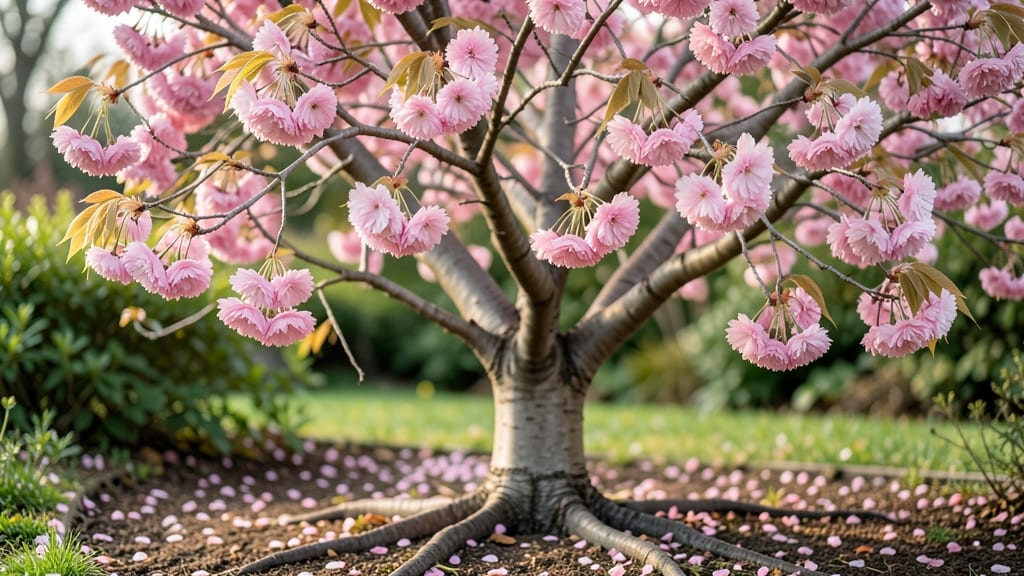
Double bloom cherry trees burst with color twice a year—even after frost—and I’ve learned their secret to resilience. 🌸 These cold-hardy varieties aren’t just pretty; they’re tough enough to handle late spring freezes while still delivering two full blooms per season. The key?
Planting in the right spot, feeding them properly, and pruning at just the right time to encourage that second flush of blossoms. My first double-bloomer nearly died after a late frost, but I adjusted the planting location to a southern exposure with afternoon shade, and now it thrives.
These trees also love well-draining soil with a pH between 6.0 and 7.0, and they reward you with abundant pink or white blooms that attract pollinators. The trade-off? They need regular watering during their first two years to establish strong roots.
By late summer, you’ll see those first buds forming for the second bloom—a sight that makes every bit of care worth it. The tree stays compact enough for small yards (some varieties top out at 12-15 feet), and the double blooms make it a standout ornamental.
Just watch for pests like borers and keep an eye out for cracked bark in winter, which can signal frost damage.
Whether you’re growing one as a standalone specimen or lining a driveway with them, these trees deliver year-round interest—spring blooms, summer foliage, and even fall color in some varieties. Here’s how to keep yours thriving through every season.
📚 In This Guide
- What you need
- Instructions
- Tips and common mistakes
- Wrapping up and next steps
What you need
- ● Double bloom cherry tree: 1 cold-hardy variety (e.g., Prunus serrulata ‘Kwanzan’, Prunus avium ‘Stella Rosa’, or Prunus × yedoensis ‘Shirofugen’)
- ● Size: 1–3 gallons (container-grown) or bare-root (for best root establishment)
- ● Planting site: Full sun (6+ hours/day)
- ● Well-draining soil (amend with compost if needed)
- ● Space: 15–25 feet apart (check mature size for your variety)
- ● Tools: Shovel or spade (for digging)
- ● Garden trowel (for delicate root work)
- ● Pruning shears (sterilized)
- ● Watering can or hose (with gentle spray nozzle)
- ● Soil amendments (if needed): 5–10 lbs of 5-10-10 fertilizer (for nutrient boost)
- ● 2–3 inches of organic mulch (e.g., wood chips or pine straw)
- ● Tree supports: Stakes or cages (for young trees in windy areas)
- ● Drip irrigation system (for consistent watering)
- ● Frost cloth (to protect young trees in late spring frosts)
- ● Slow-release fertilizer (e.g., Osmocote for seasonal blooms)
- ● Soil pH tester (ideal range: 6.0–7.0 for cherries)
How to select and plant cold-hardy double-blooming cherry trees
Here's the method I trust for planting these stunning rebloomers—tested across harsh winters and early springs.
🌱 Step 1: Choose the Right Variety for Your Climate
Cold-hardy double-blooming cherries like 'Stella' or 'Kanzan' thrive in zones 4-8 and tolerate -20°F without bud damage. Look for grafted trees—this ensures the flowering branches (scion) are disease-resistant while the rootstock provides stability. I always verify the cultivar's bloom time: early bloomers like 'Royal Ann' risk frost damage, while mid-season varieties like 'Snowfountain' sync better with warming trends.
Check your last frost date—planting too early exposes blossoms to late frosts. Most double-bloomers need 100-150 chill hours (below 45°F) to trigger spring blooms. If your area has mild winters, consider 'Autumn Brilliance'—it blooms twice but handles heat better than traditional varieties.
☀️ Step 2: Select the Perfect Planting Site
These trees demand full sun (6-8 hours daily) for vibrant blooms and proper fruit set (if pollinated). I avoid low-lying areas where cold air pools—even cold-hardy varieties suffer from prolonged frost pockets. The soil should drain well; double-bloomers hate soggy roots, which invite root rot. A slight slope or raised bed helps excess water run off.
Test your soil's pH—ideal range is 6.0-6.5. If your soil is alkaline, amend with peat moss or sulfur before planting. I always dig a test hole first: if water pools after 30 minutes, you'll need to improve drainage with compost or sand. These trees reward proper site prep with 2-3 weeks of showy blooms in spring and again in fall.
🪴 Step 3: Plant at the Right Depth and Stake for Stability
Dig a hole twice as wide as the root ball but no deeper—planting too low suffocates roots. Loosen the root ball gently if roots are circling (a common nursery issue). Place the tree so the graft union sits 2-3 inches above soil level—this prevents root suckers from sprouting below the graft. Backfill with native soil mixed with half compost to encourage root spread.
Stake only if needed—young double-bloomers often topple in wind. If staking, use two stakes at opposite sides, tied loosely with flexible material. Water deeply immediately after planting to settle soil and eliminate air pockets. Mulch with 3 inches of wood chips, keeping mulch 6 inches away from the trunk to prevent rot.
✂️ Step 4: Prune for Structure and Winter Protection
Prune in late winter (before buds swell) to remove dead wood and shape the tree. Double-bloomers bloom on both old and new wood, so avoid heavy pruning—never remove more than 25% of the canopy in one season. Focus on opening the center for airflow, which reduces disease risk. I always prune at a 45° angle just above outward-facing buds to encourage strong growth.
For winter protection, wrap the trunk with tree wrap if your winters dip below -10°F2-3 inch layer of mulch around the base to insulate roots. Double-bloomers are tough, but consistent care ensures they rebound beautifully after frost.
Tips & tricks for perfect double bloom cherry tree planting
These practical insights will help you avoid common pitfalls and maximize your cold-hardy cherry tree's resilience.
Climate Matching: Verify your local chill hours—most nurseries list this data. If your area has fewer than 100 hours below 45°F, consider heat-tolerant varieties like 'Autumn Brilliance' that still bloom twice but handle milder winters better. I've seen 'Kanzan' struggle in Zone 5 with only 80 chill hours—it's worth checking before purchasing.
Site Selection Secret: The 6-8 hours of daily sun requirement is non-negotiable, but here's what nobody tells you: orient the tree to catch morning sun first. Eastern exposure helps prevent frost damage to blossoms during late spring freezes. Also, avoid planting near large evergreens—their shade reduces bloom intensity by up to 30%.
Root Ball Rescue: If you notice circling roots when loosening the root ball, make two vertical cuts through the center to break the girdling pattern. This simple step can double root spread in the first growing season. I've seen trees with uncut roots struggle for years—don't skip this even if the roots look minor.
Winter Protection Strategy: For temperatures below -10°F, wrap the trunk with tree wrap but leave the top 6 inches uncovered. This prevents moisture buildup that causes bark splitting. In areas with extreme swings (like -20°F followed by 40°F in days), add a layer of burlap around the wrap for extra insulation without trapping heat.
Pro Tips for Double Bloom Cherry Tree
- These practical insights will help you avoid common pitfalls and maximize your cold-hardy cherry tree's resilience.
- Climate Matching: Verify your local chill hours—most nurseries list this data.
- Site Selection Secret: The 6-8 hours of daily sun requirement is non-negotiable, but here's what nobody tells you: orient the tree to catch morning sun first.
Frequently asked questions
Got questions about double bloom cherry trees?
You’re not alone! Here are answers to the most common queries—whether you're planning a purchase, troubleshooting, or just curious about these stunning rebloomers.
How cold can double bloom cherry trees tolerate?
Most cold-hardy double bloom varieties thrive in USDA Zones 5-8, handling temperatures down to -15°F (-26°C). Look for cultivars like 'Stella Pink' or 'Royal Rain', bred to rebound after frost. Mulch heavily in winter for extra protection!
When do double bloom cherry trees flower twice in a season?
First blooms typically appear in early spring (April-May), followed by a second flush in late spring/early summer (June-July), weather-dependent. Frost after the first bloom? Don’t worry—many varieties (like 'Kanzan') produce a second round regardless!
Can I grow a double bloom cherry tree in a container?
Yes! Dwarf varieties like 'Shirofugen' or 'Snow Fountain' work well in 15+ gallon pots with well-draining soil. Ensure it gets 6+ hours of sunlight daily and deep watering. Just know: container trees may have slightly smaller blooms and shorter lifespans than in-ground plants.
Why aren’t my double bloom cherries fruiting?
Double bloom cherries are ornamental, not fruit-bearing (unlike sweet/tart cherries). If you want fruit, plant a separate variety like 'Montmorency'. For blooms, focus on pruning in late winter (remove dead wood) and fertilizing in early spring for vibrant flowers.
What’s the best alternative if I live in Zone 4 or colder?
Try crabapple trees (e.g., 'Dolgo') or ornamental plums (e.g., 'Methley'). Both handle -30°F (-34°C) and offer double blooms. For cherry-like flowers, Japanese quince ('Higan') is another frost-tolerant pick!
How do I prevent black knot disease in my double bloom cherry?
Black knot (Apiosporina morbosa) is common in cherries. Prune infected branches 6+ inches below knots in late winter, sterilize tools with 70% alcohol, and avoid overhead watering. Resistant varieties like 'Germanica' can also help!
Wrapping up and next steps
Transforming your garden into a breathtaking double bloom cherry tree haven is well within reach—even in colder climates! These resilient varieties not only survive frost but thrive, rewarding you with two stunning blooms per season.
Whether you’re a seasoned gardener or just starting, the key is choosing the right variety, providing proper care, and embracing patience as these trees grow into showstopping centerpieces. 🌸
Ready to bring this floral magic to life? Start by selecting your favorite cold-hardy variety from our guide, then sketch a planting plan for your space. The best time to act is spring or early fall—so grab your gloves and get growing! 🌱