
Trees
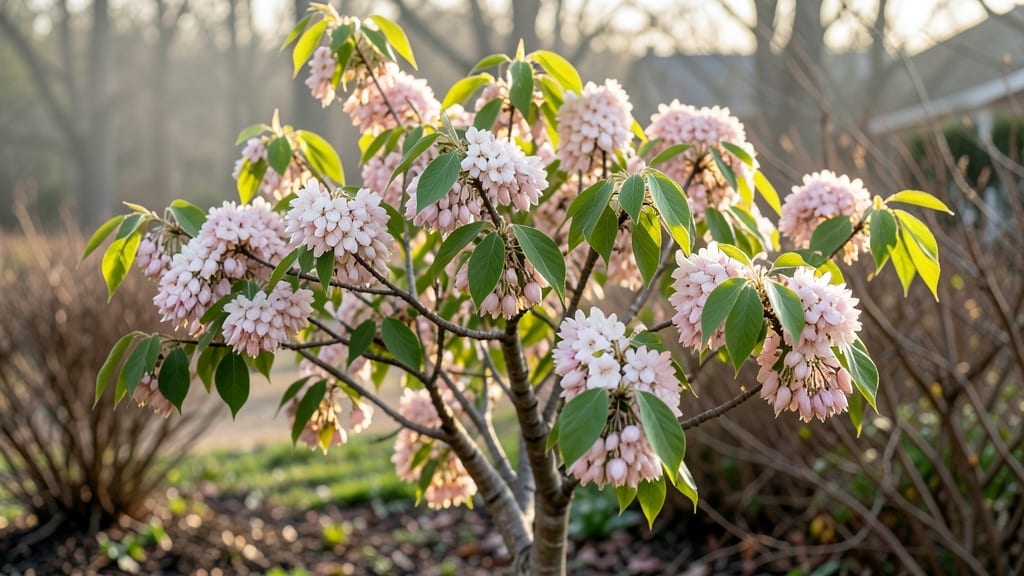
Spring’s white-blossoming trees transform gardens into pollinator paradises while offering year-round structure. These ten varieties stand out for their beauty, hardiness, and ability to support bees, butterflies, and birds—plus their unique seasonal interest beyond just spring blooms.
Japanese Cherry Blossom Trees
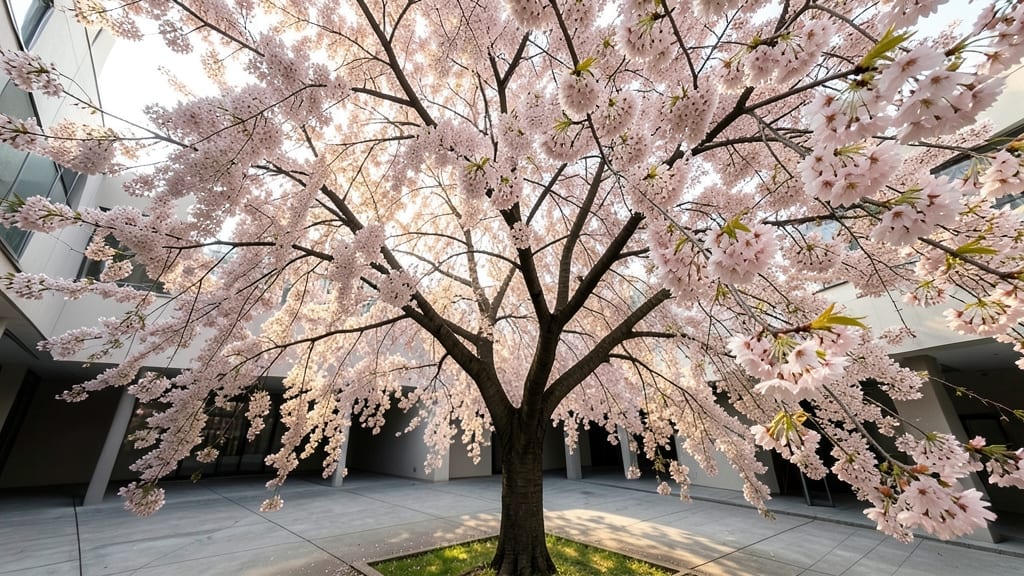
Imagine a tree that turns your urban courtyard into a pink-white dream every spring—one that draws crowds of pollinators while requiring minimal maintenance. The Japanese cherry blossom (Prunus serrulata) delivers exactly that, with its delicate, cascading blooms that create a breathtaking canopy. Unlike its North American cousin, this variety thrives in tight spaces, making it perfect for city gardens, parks, and cultural landscapes.
These trees flourish in full sun to partial shade and well-drained soil, though they’re surprisingly adaptable to urban conditions. Plant them near seating areas to enjoy the subtle fragrance and watch as bees, butterflies, and hummingbirds swarm during peak bloom (typically late April to early May in most regions). For best results, prune lightly after flowering to maintain shape—avoid heavy pruning, as it can reduce next year’s blossoms.
Ideal for gardeners who want dramatic seasonal impact without the upkeep of larger trees, Japanese cherry blossoms are also a nod to cultural traditions. Whether you’re designing a meditation garden or simply want to add ethereal beauty to your space, this tree delivers year after year. 🌷
Crabapple Trees with White Flowers
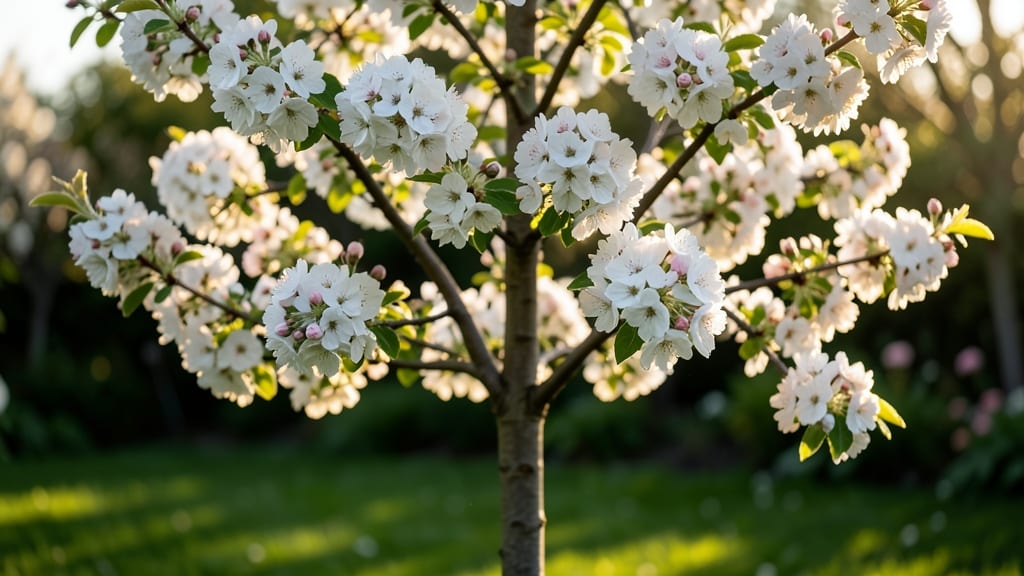
If you love the idea of a fragrant, show-stopping tree but don’t have space for a massive specimen, crabapple trees with white flowers are your perfect match. These compact beauties pack a punch with their delicate, highly fragrant blossoms that fill the air with a sweet, apple-like scent—ideal for small yards, courtyard gardens, or even large containers.
Most varieties stay under 20 feet tall, making them perfect for tight spaces, and their year-round value doesn’t stop at spring. After the blooms fade, small, colorful fruit appears, providing a feast for birds throughout fall and winter. Choose disease-resistant cultivars like 'Dolgo' or 'Adirondack' for low-maintenance care, and plant them near seating areas to fully enjoy their intoxicating fragrance.
Urban gardeners and wildlife enthusiasts will appreciate how these trees turn a modest garden into a pollinator magnet while supporting local ecosystems. Their adaptability to various soil types makes them a no-fuss choice for almost any landscape. 🌟
Magnolia Grandiflora
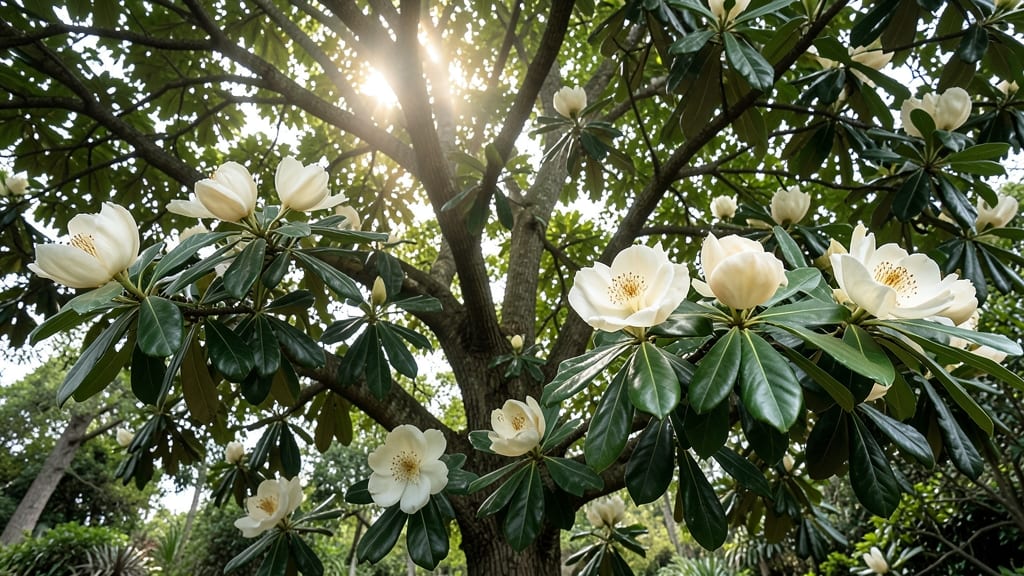
When you crave a tree that delivers year-round interest without the fuss of seasonal changes, Magnolia grandiflora is your evergreen hero. Unlike spring-only bloomers, this Southern staple combines creamy-white, cup-shaped flowers (up to 10 inches wide!) with glossy, dark green foliage that stays lush through all four seasons. Its large size—mature trees reach 60-80 feet tall—makes it a natural shade provider for patios or playgrounds.
Once established, Magnolia grandiflora thrives on neglect, tolerating drought conditions once its roots spread deep. Plant it in well-drained, slightly acidic soil with morning sun and afternoon shade to protect its delicate blooms from scorching. Prune only to shape—never to remove old wood, as new growth emerges from old branches. The fragrant flowers appear in late spring to early summer, but the real magic is its winter appeal: the thick, leathery leaves resist frost, while the textured bark adds texture to bare-season landscapes.
Southern gardeners and coastal homeowners will love how this tree softens harsh climates with its dense canopy and drought resistance. For those seeking a low-maintenance, high-impact tree that does double duty as both a spring showstopper and a year-round structural element, Magnolia grandiflora is the ultimate workhorse. 🌿
Dogwood Trees with White Bracts
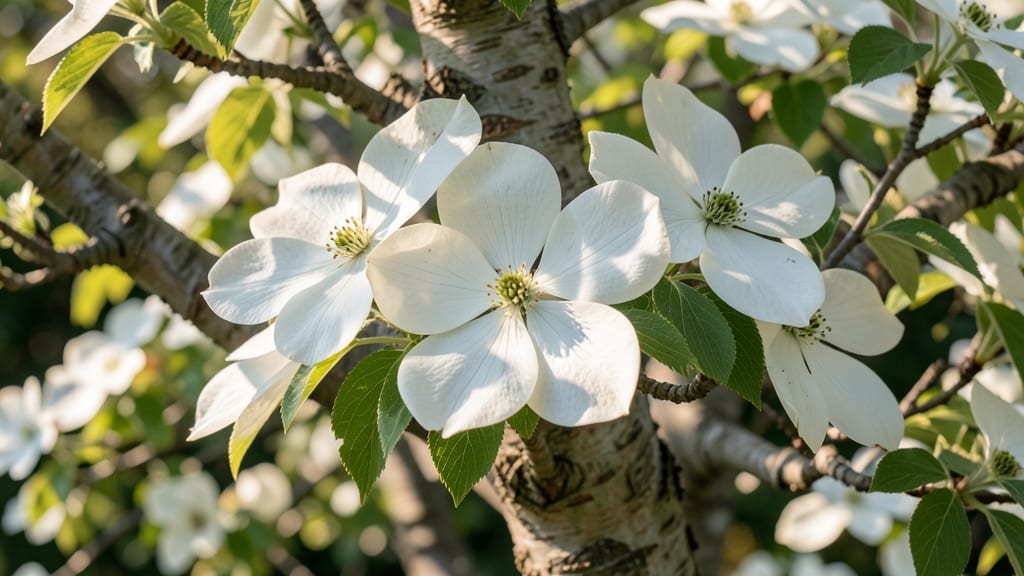
If you crave a tree that delivers two seasons of showstopping color in one package, look no further than the dogwood (Cornus florida) with its signature white bracts. Unlike other spring bloomers, these trees create a dramatic display with their four-petal white bracts that surround tiny green flowers—think of them as nature's own paper lanterns lighting up your garden.
Plant them in partial shade to full sun with well-drained soil, and you'll get that stunning spring show followed by clusters of bright red berries in fall that birds adore. The berries persist into winter, offering food for wildlife when other gardens go dormant. Prune lightly in late winter to maintain shape, and watch as this tree becomes the centerpiece of your landscape with minimal fuss.
Perfect for woodland gardens, foundation plantings, or as a focal point in mixed borders, dogwoods bring year-round interest while supporting local ecosystems. Their adaptability makes them ideal for gardeners who want beauty without the high-maintenance demands of other spring bloomers. 🌟
Bradford Pear Trees
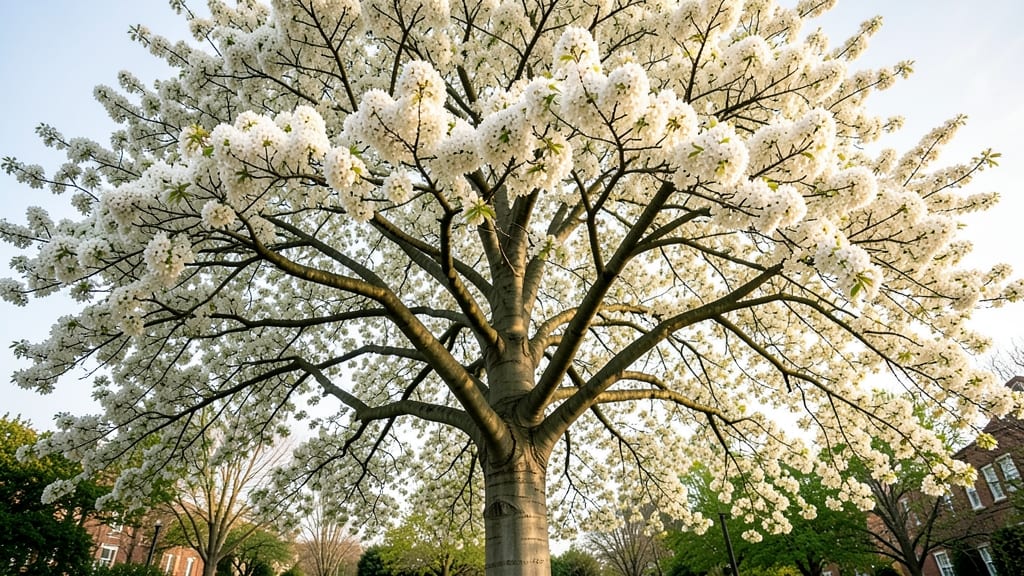
Looking for a fast-growing tree that delivers a dramatic spring spectacle with minimal effort? The Bradford pear (Pyrus calleryana) is your answer—its abundant white blossoms create a cloud-like canopy that brightens urban streets and large properties alike. Unlike slower-growing varieties, Bradford pears mature quickly, reaching 30-50 feet tall within a decade, making them ideal for instant curb appeal or privacy screens.
These trees thrive in full sun to partial shade and adapt to various soil types, though they prefer well-drained conditions. Their fragrant blooms in late spring attract pollinators, while their glossy green foliage provides summer shade. For long-term health, plant them in open spaces to avoid disease issues (like fire blight) that can occur in dense plantings. Prune lightly in winter to maintain shape and encourage new growth.
Perfect for urban landscapes, parks, or large backyards, Bradford pears offer a low-maintenance way to add seasonal drama. Their fragrance alone makes them a standout choice for gardeners who want beauty without the fuss. 🌻
Hawthorn Trees with White Flowers
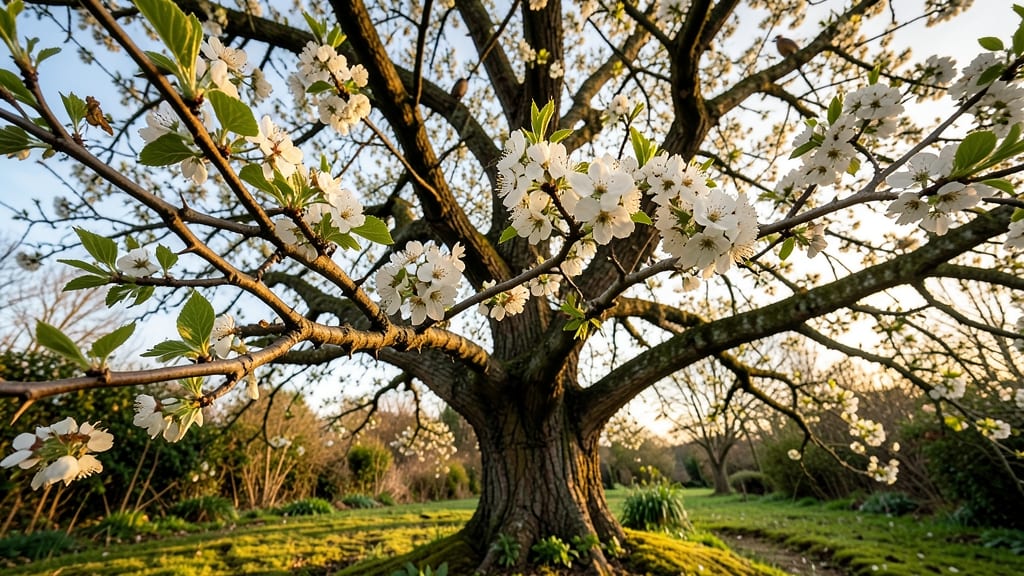
If you’re dreaming of a native garden that thrives with minimal effort while supporting local wildlife, hawthorn trees (Crataegus spp.) are your secret weapon. Their clusters of fragrant white blossoms in spring create a sensory feast, but the real magic lies in their thorny branches—perfect nesting sites for birds and shelter for small mammals.
Unlike fussy trees that demand rich soil, hawthorns flourish in poor, rocky, or sandy conditions, making them ideal for restoration projects or neglected corners of your yard. Plant them in full sun to partial shade, and watch as they attract bees, butterflies, and even hummingbirds during bloom (typically April to May). Their berries later feed birds through winter, ensuring year-round ecological value.
Native gardeners and wildlife enthusiasts will love how these trees turn underutilized spaces into thriving ecosystems. With their rugged charm and low-maintenance nature, hawthorns prove that beauty and biodiversity go hand in hand. 🌿
Fringe Trees for White Spring Blooms
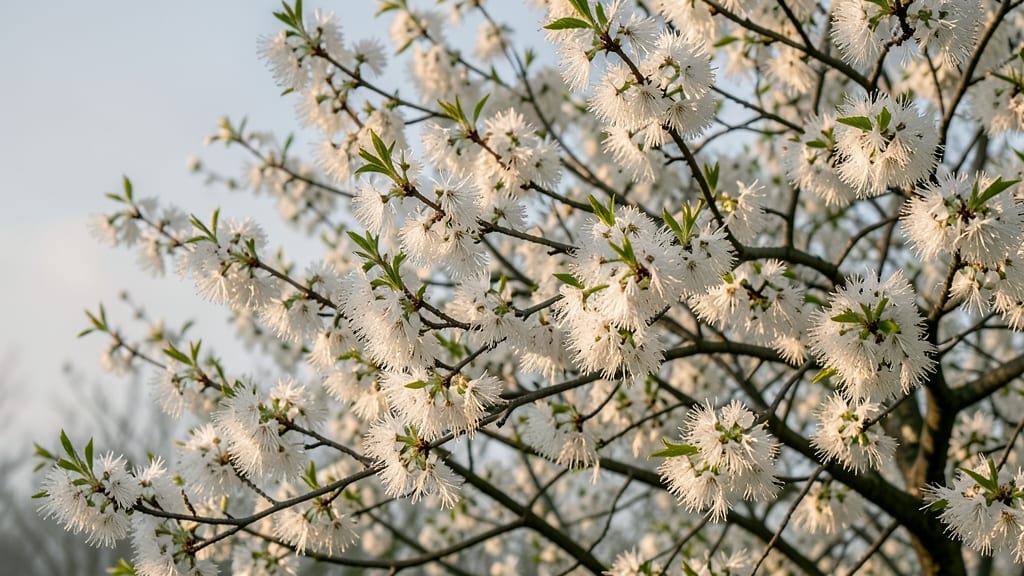
If you’re craving a textured, dreamy white spring display that feels like a cloud of lace, the fringe tree (Chionanthus virginicus) delivers with its delicate, fringe-like blooms. Unlike traditional round or clustered flowers, these feathery white blossoms create a soft, airy effect that dances in the breeze—perfect for pollinator gardens where bees and butterflies adore the unique shape.
This adaptable tree thrives in USDA zones 5-9, making it a versatile choice for gardens from the Northeast to the Southeast. It handles partial shade to full sun and tolerates a range of soil types, including clay, though well-drained soil prevents root rot. For best results, plant it in moist but not soggy soil and prune lightly after flowering to maintain its natural, rounded shape. Bonus: The dark green, glossy leaves provide year-round structure, while fall brings subtle color shifts.
Pollinator enthusiasts and low-maintenance gardeners will love how this tree effortlessly supports ecosystems while adding a whimsical touch. Its compact size (15-25 feet tall) makes it ideal for borders, small yards, or as a focal point in cottage-style gardens. 🌿
Serviceberry Trees with White Flowers
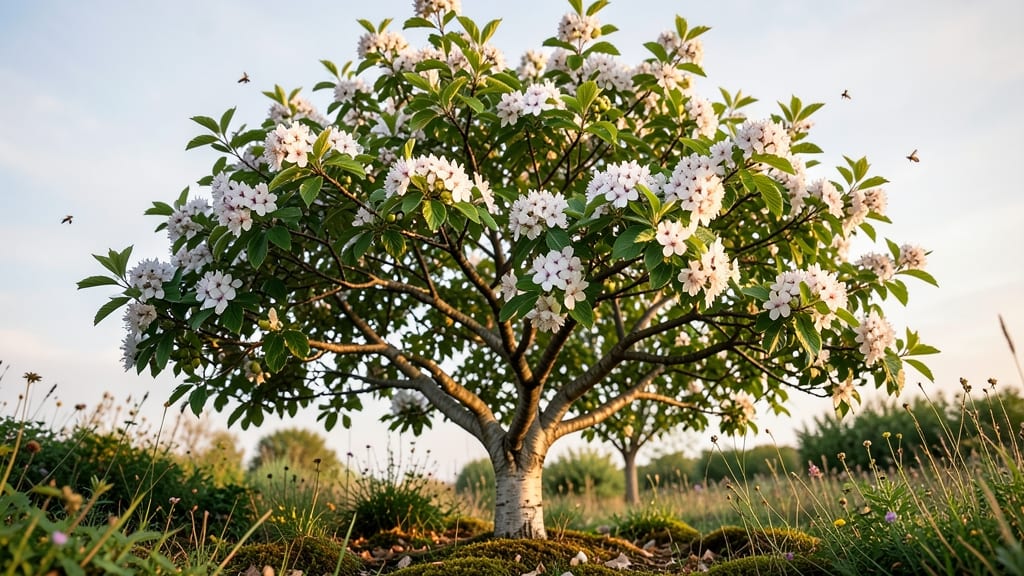
Want a tree that gives you edible treats, white spring blooms, and wildlife support—all in a compact package? The serviceberry (Amelanchier spp.) delivers on every count, making it a multi-seasonal superstar for small gardens. Unlike many spring-blooming trees, serviceberries offer purple-tinged new foliage, fragrant white flowers, and edible berries that ripen to deep purple in late summer—perfect for jams, pies, or feeding birds.
These trees thrive in full sun to partial shade and adapt to various soil types, including rocky or poor soils where other plants struggle. Mature specimens reach 15-25 feet tall, making them ideal for backyard borders, pollinator gardens, or as a focal point in small spaces. Prune lightly after fruiting to maintain shape, and watch as bees, butterflies, and birds flock to their blooms and berries. For an added bonus, their fall foliage turns brilliant gold, extending their seasonal appeal.
Perfect for urban gardeners, native plant enthusiasts, and edible landscapers, serviceberries turn a modest garden into a year-round ecosystem. Their compact size and low-maintenance nature make them a standout choice for those who want beauty, function, and sustainability in one package. 🌱
White Flowering Dogwood Varieties
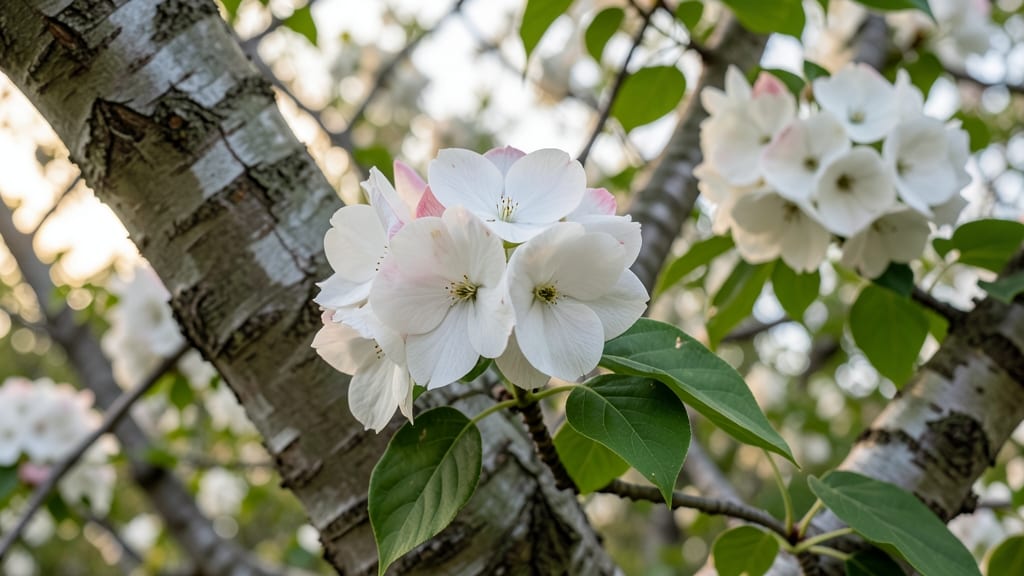
Tired of dogwoods that fade after spring? The 'Florida Pink' cultivar and other disease-resistant white flowering dogwoods (like 'Cherokee Brave' or 'White Cloud') deliver reliable blooms while offering year-round interest most varieties miss. Their signature white bracts appear in spring, but the real magic happens later—fall foliage in fiery reds and oranges, and exfoliating winter bark that adds texture to dormant gardens.
These cultivars thrive in partial shade to full sun with moist, well-drained soil, making them perfect for understory plantings or as focal points in mixed borders. Unlike traditional dogwoods, they're bred to resist powdery mildew and anthracnose, common diseases that plague other varieties. For best results, plant in spring or early fall and mulch heavily to retain moisture. The 'Florida Pink' variety even sports subtle pink tinges in its bracts, adding unexpected depth to your spring display.
Ideal for gardeners who want low-maintenance beauty with seasonal layers, these dogwoods transform any landscape from spring showstopper to winter interest. Their compact size (20-30 feet tall) makes them perfect for small gardens, while their adaptability suits both urban and woodland settings. 💚
Eastern Redbud Trees

If you're dreaming of a spring garden that bursts into color before most trees even think about blooming, the Eastern redbud (Cercis canadensis) is your secret weapon. This underrated native stunner is one of the first trees to bloom each year, often appearing in late winter to early spring—sometimes even while snow still lingers on the ground.
With its vibrant pink-white flowers that dot bare branches like clusters of tiny lanterns, the Eastern redbud creates a magical display that lasts just 1-2 weeks but feels like a full season of color. The heart-shaped leaves emerge next, turning a fresh shade of pinkish-green before maturing to rich green. This compact tree (typically 20-30 feet tall) thrives in full sun to partial shade and adapts to various soil types, making it perfect for foundation plantings, small gardens, or pollinator-friendly borders.
What makes redbuds especially valuable is their early spring timing, which provides critical nectar for emerging pollinators when few other flowers are available. Their adaptability and low-maintenance nature make them ideal for beginner gardeners, urban landscapes, and native plant enthusiasts alike. 🌱