
Blooming
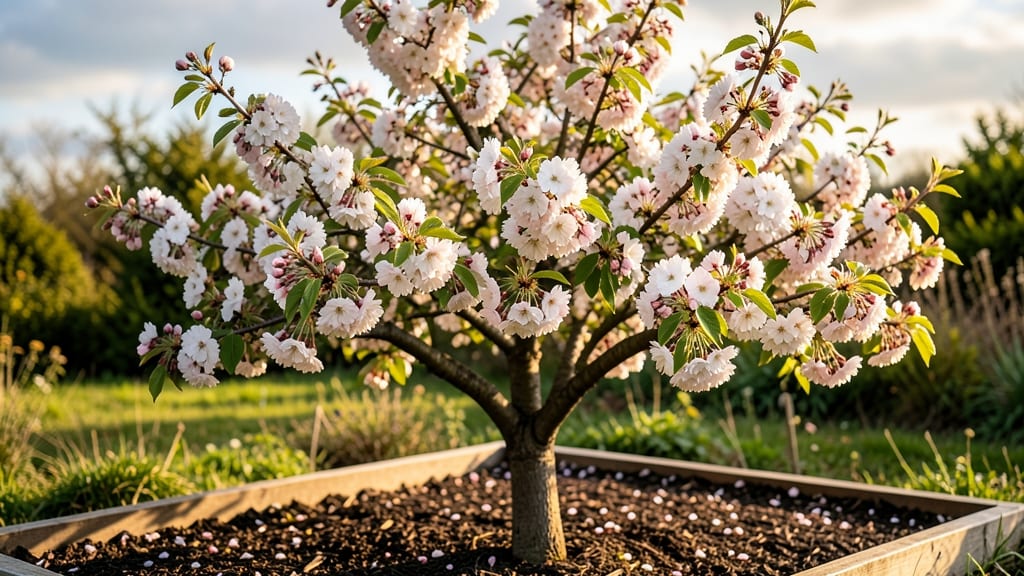
Cherry trees bloom in spring at a time that depends on your variety and climate zone — and getting it right means the difference between a stunning floral display and empty branches.
Picture this: you’ve waited all winter for those pink and white blossoms 🌸 to arrive, only to wake up to a late frost wiping them out before they’ve even opened.
That’s why timing matters so much, and it’s not just about the calendar—it’s about your local frost dates, the type of cherry tree you’ve planted, and even last year’s growing conditions.
From early bloomers like Stella that burst into color by late March to late-season varieties like Bing that wait until May, each type has its own schedule. Throw in regional differences—like Zone 6a gardeners playing the frost game every spring—and you’ve got a puzzle worth solving.
Here’s how to predict your cherry tree’s bloom window with confidence, plus tips to protect those delicate flowers from Mother Nature’s surprises.
You’ll learn how to read your tree’s signals, adjust care based on its bloom stage, and even nudge it toward a longer display. Because once you understand the rhythm of cherry tree blooms, you can turn that spring spectacle into a yearly highlight—no guesswork required.
Cherry tree bloom time by variety: sweet vs tart cherries
Timing your cherry tree blooms is half the battle for a stunning spring display. Sweet cherries like Bing and Rainier burst into bloom earlier than tart varieties, while Montmorency and Stella often play catch-up.
Understanding these differences helps you plan pruning, pest control, and even enjoy the show-stopping blossoms at their peak. Let’s break down the exact bloom windows for your favorite varieties.
Most cherry trees bloom in late winter to early spring, but the timing varies dramatically between sweet and tart cherries. Sweet cherries typically bloom 2-3 weeks earlier than their tart counterparts, which can be a game-changer if you’re dealing with late frost risks.
For example, Bing cherries often start blooming in mid-March in warmer zones, while Montmorency tart cherries might not peak until late April. This window matters because frost can ruin blossoms and reduce fruit yield.
| Variety | Type | Bloom Time (USDA Zone 6a) | Bloom Duration | Key Notes |
|---|---|---|---|---|
| Bing | Sweet | Mid-March to Early April | 10-14 days | Early bloomer; frost-sensitive |
| Rainier | Sweet | Late March to Mid-April | 12-16 days | Longer bloom; needs cross-pollination |
| Stella | Sweet | Early to Mid-April | 10-12 days | Self-pollinating; compact size |
| Montmorency | Tart | Late April to Early May | 14-18 days | Late bloomer; cold-hardy |
| Balaton | Tart | Mid-April to Late April | 10-14 days | Dwarf variety; great for small gardens |
The Bing cherry is the early bloomer of the sweet cherry group, often starting as early as mid-March in warmer climates like USDA Zone 7 or 8.
This makes it highly frost-sensitive, so if you’re in a cooler zone, consider planting near a heat source or choosing a later-blooming variety like Stella.
The Rainier cherry, known for its pinkish-red fruit, blooms slightly later, giving it a 10-day advantage over frost risks compared to Bing.
Tart cherries, like Montmorency, are the late bloomers of the bunch, typically peaking in late April to early May. This timing often aligns better with frost-free periods in northern climates, making them a reliable choice for USDA Zones 4-6. The Balaton tart cherry, a dwarf variety, blooms in mid-April and is perfect for small gardens or container growing. Its compact size doesn’t compromise bloom time, though.
If you’re growing multiple cherry varieties, plan for cross-pollination. For example, Bing cherries need a pollinator like Stella or Rainier to produce fruit, while Montmorency is self-fertile.
Timing your pruning is also critical—avoid heavy pruning during late winter when buds are forming, or you’ll reduce next year’s blooms. Instead, prune in late summer or early fall to encourage robust growth for the following spring.
For ornamental cherry trees, like the Okame cherry, bloom times can vary even more. These early spring bloomers often start as early as February in mild climates, offering weeks of vibrant pink and white flowers before leaves emerge.
If you’re growing ornamentals, focus on protecting blossoms from late frosts by using row covers or strategic planting near walls that absorb heat.
One pro tip for extending bloom seasons is to water deeply before bud break. Consistent moisture in late winter helps trees establish strong roots, leading to healthier blooms.
Avoid over-fertilizing in fall or early winter, as this can stimulate late growth that’s vulnerable to cold damage. Instead, apply a balanced fertilizer in early spring once new growth appears.
Finally, keep an eye on local microclim
How climate zones affect cherry tree bloom timing
Your cherry tree’s bloom timing shifts dramatically depending on your USDA climate zone. In colder zones like 5-6, buds burst later to avoid frost damage, while warmer zones like 8-9 enjoy earlier, longer displays. Understanding these differences helps you predict blossoms and protect delicate flowers from late frosts.
For example, a Stella cherry tree in Zone 5 may bloom in late May, while the same variety in Zone 8 could flower as early as March.
These shifts aren’t just about aesthetics—they directly impact fruit set and tree health. Let’s break down how to adjust your expectations and care routines by zone.
In Zone 5, late frosts often strike after buds open, so choose late-blooming varieties like Montmorency or Stella for better survival rates. These trees delay flowering until after the last frost date (typically May 15 in most Zone 5 regions).
I’ve found wrapping young trees with frost cloth during spring blooms can add 3-5 extra days of protection.
Warmer zones like 8-9 offer longer bloom seasons, but heat stress can shorten displays. If your Rainier cherry blooms in February, expect flowers to last 4-6 weeks—unless a heatwave above 90°F causes buds to drop prematurely.
Mulching with organic matter helps regulate soil temps and preserves moisture for extended blooming.
To extend bloom seasons in any zone, focus on soil health and watering consistency. Well-draining, slightly acidic soil (pH 6.0-6.5) encourages robust root systems, which support longer flowering.
I recommend deep watering twice weekly during bloom (or more in Zone 9’s dry heat) to prevent bud drop. A drip irrigation system automates this and reduces stress on the tree.
Finally, pruning strategies vary by zone. In Zones 5-6, prune in late winter (before buds swell) to remove weak wood that might freeze. In Zones 7-9, light pruning after bloom removes spent flowers and improves airflow, reducing fungal risks like brown rot.
Always sterilize tools with rubbing alcohol to prevent disease spread.
With these zone-specific adjustments, you’ll transform unpredictable blooms into reliable, stunning displays—no matter where you garden. 🌸