
Blooming
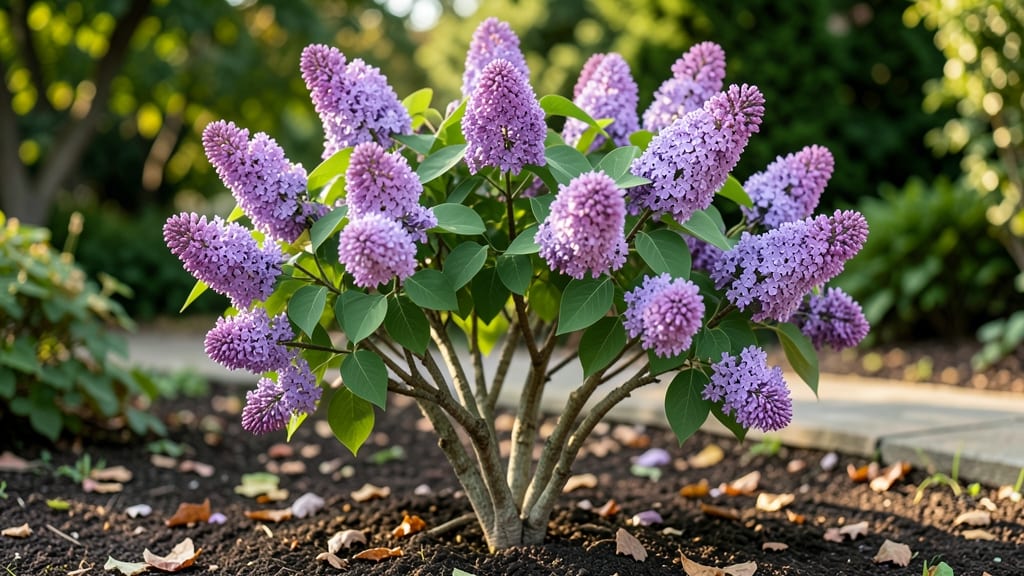
Lilacs bloom on old wood, meaning their flowers grow on previous year’s growth rather than new shoots. Pruning immediately after blooming preserves next year’s flowers, while cutting back too late risks removing buds for the following season.
This unique growth habit means lilacs set their flower buds in late summer or fall on the previous year’s stems, not the fresh spring growth. 🌸 If you prune at the wrong time—like in early spring—you’ll accidentally trim off next year’s blooms before they even appear.
The key is patience: wait until flowers fade completely before shaping the shrub, or you’ll miss the entire season of fragrant blooms.
Many gardeners make the mistake of pruning lilacs too aggressively or at the wrong time, which can leave them looking bare for years. The good news? Once you understand this growth pattern, lilacs become one of the easiest shrubs to maintain.
Just remember: old wood equals next year’s flowers, and your pruning timing will thank you with a spectacular spring display.
💡 In This Article
- Why Lilac Flowers Grow on Old Wood
- Best Lilac Pruning Timing and Techniques
Why lilac flowers grow on old wood
Lilacs belong to the oleaceae family and produce flowers on second-year wood, meaning buds form in late summer or early fall on stems that grew the previous year.
This process begins when the plant's apical meristems (growth points) transition from vegetative growth to reproductive growth. 🌿 Unlike spring-flowering shrubs like forsythia or hydrangeas, which bloom on new growth, lilacs rely entirely on mature stems to develop their iconic clusters.
The buds remain dormant through winter and only swell in early spring when temperatures rise consistently above 50°F.
The reason new growth rarely produces flowers comes down to energy allocation. Lilacs prioritize storing nutrients in their woody stems during summer, which then fuel flower bud development.
When you prune back to fresh green shoots, you're essentially cutting off the plant's "savings account" for next year's blooms. 🌸 For example, a 5-year-old lilac stem may produce 50-100 flower buds along its length, while a new shoot from this year's growth might produce none.
This is why aggressive pruning can leave your lilac looking like a bare stick for multiple seasons.
What makes this growth habit fascinating is how it differs from other popular shrubs. Take roses, for example—they bloom on both old and new wood, giving gardeners more flexibility with pruning timing. But lilacs are strictly old-wood bloomers, which means their pruning window is narrow.
The buds form in late summer (typically July-August in most climates) and remain vulnerable until they harden off in fall. This explains why many gardeners accidentally prune away next year's flowers when they trim too early.
Here's what's actually happening at the cellular level: The plant's cambium layer (the growth tissue just beneath the bark) becomes active in late summer, producing flower buds in the leaf axils along mature stems.
These buds contain all the genetic instructions needed to develop into flowers, along with stored nutrients that will sustain them through winter. 🌱 When you prune correctly—after flowering—you're preserving these nutrient-rich stems for the following season's blooms.
One common misconception is that lilacs need to be pruned heavily every year to stay healthy. In reality, most established lilacs only need light shaping every 2-3 years to maintain their form.
The plant's natural growth pattern means it can produce abundant flowers with minimal intervention, as long as you respect its old-wood blooming habit. This is why many heritage lilac varieties (like 'Katherine Havemeyer') can live for 50+ years with proper care, continuously producing fragrant blooms decade after decade.
The fragrance component adds another layer to this process. Lilacs produce volatile organic compounds during bud formation that contribute to their signature scent.
These compounds develop more fully when buds form on mature stems, which is why old-wood lilacs often have a more intense aroma than new growth. 🌸 This botanical quirk explains why gardeners who understand the old-wood blooming habit often report their lilacs smell "stronger and sweeter" year after year.