
Blooming
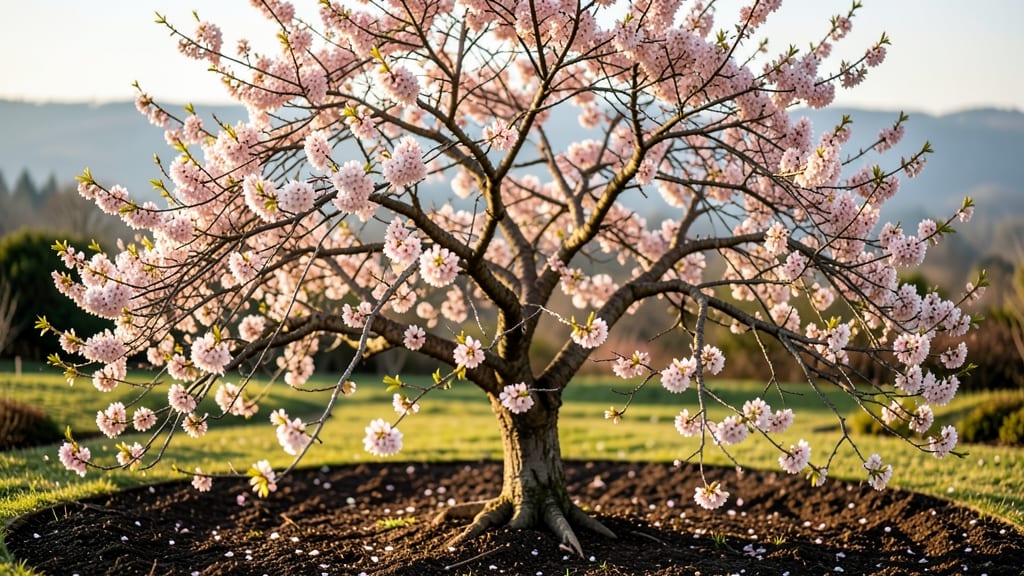
The cherry blossom bloom time you’ve been waiting for depends on where you live—and planting at the right moment could mean the difference between a showstopping spring and a sad, sparse display.
Picture this: your neighborhood transformed into a sea of pink and white, but you’re left staring at bare branches because you missed the planting window by a month.
It happens more than you’d think, and the key to avoiding it lies in understanding how climate, variety, and even soil temperature play into when those delicate 🌸 petals finally unfurl.
From the frost-tender Yoshino in Zone 6a to the heat-loving Kwanzan in warmer regions, each cultivar has its own schedule—and knowing yours can help you plan everything from pruning to photography sessions.
Whether you’re a first-time gardener or a seasoned pro, these insights will help you sync your planting with nature’s calendar for the most stunning spring display possible.
Below, I’ll break down the exact planting months by zone, share tricks to nudge blooms earlier or later, and reveal the top varieties that stretch your viewing window from one week to over two. No more guessing—just guaranteed blossoms.
Cherry blossom bloom time by USDA hardiness zone: exact planting months
Timing your cherry blossom planting is everything when you want to catch that spring spectacle of pink and white blooms. These trees thrive when planted during their dormancy period, which varies dramatically by USDA hardiness zone.
In colder zones (4-6), you’ll plant in fall to establish roots before winter, while warmer zones (7-10) favor early spring planting to avoid summer heat stress.
The key to perfect bloom timing lies in understanding your zone’s last frost date and the temperature thresholds that trigger bud break. Most cherry blossoms need chilling hours between 300-1,000 hours below 45°F (7°C) to break dormancy.
Without these, blooms can be sparse or delayed. Let’s break down the exact planting windows by zone to ensure your tree blooms at its peak.
| USDA Zone | Best Planting Month | Bloom Window | Variety Notes | Temperature Threshold |
|---|---|---|---|---|
| Zones 4-5 | September-October (fall) or early April (spring) | Late April-early May | Yoshino, Kwanzan (cold-hardy) | 500-1,000 chilling hours |
| Zones 6-7 | October-November (fall) or March (spring) | Mid-April-late May | Weeping, Autumnalis (early bloomer) | 600-800 chilling hours |
| Zones 8-9 | November-December (fall) or January-February (spring) | February-March (early) or April-May (late) | Okame, Shirotae (heat-tolerant) | 300-500 chilling hours |
| Zones 10+ | January-February (spring only) | January-February (winter blooms) | Taihaku, Kiku-shidare-zakura (tropical varieties) | Minimal chilling (0-200 hours) |
For Zone 4-5 gardeners, planting in fall gives roots time to establish before winter, while spring planting in April ensures the tree isn’t stressed by summer heat. The Yoshino cherry, a classic with pink double blooms, thrives in these zones and typically blooms in late April.
However, late frosts can damage petals, so monitor your local forecast closely.
In Zones 6-7, the Autumnalis variety is a game-changer because it blooms earlier and sporadically throughout the season. Plant in October-November to avoid summer heat stress. These zones also support weeping cherries, which create stunning cascading displays but require well-draining soil to prevent root rot.
Warmer Zones 8-9 can grow heat-tolerant varieties like Okame, which blooms in February-March—perfect for extending your bloom season. Plant in November-December to avoid summer drought stress. These zones often experience milder winters, so choose varieties with moderate chilling requirements (300-500 hours) to ensure reliable blooms.
Zone 10+ gardeners have the advantage of year-round growing conditions, but cherry blossoms here need special attention. Varieties like Taihaku bloom in winter (January-February) and require minimal chilling (0-200 hours). Plant in January-February to align with natural dormancy cycles. These trees also benefit from afternoon shade to prevent leaf scorch.
Pro tip: Use mulch (3-4 inches) around your tree’s base to regulate soil temperature and retain moisture. In Zones 4-7, apply mulch in late fall to protect roots from freezing. For Zones 8-10, mulch in early spring to cool roots during hot summers.
This small step can shift bloom timing by 1-2 weeks, giving you more time to enjoy the show.
Remember, soil temperature matters just as much as air temperature. Cherry blossoms need soil temps above 50°F (10°C) to break dormancy. Use a soil thermometer to monitor conditions, especially in Zone 6-7, where fluctuating temps can delay blooms.
If your soil stays too cold, consider planting in a slightly sheltered microclimate, like near a south-facing wall.
Finally, prune in late winter (just before buds swell) to shape your tree and encourage stronger blooms. Remove any dead or crossing branches to improve airflow, which reduces the risk of fungal diseases like powdery mildew. With the right
How to adjust planting for early or delayed cherry blossom blooms
If your local cherry blossom season arrives too early or too late, you can strategically adjust planting to align blooms with your ideal viewing window. The key lies in understanding how soil temperature, pruning timing, and microclimates influence dormancy and bud formation.
Urban areas often experience 2-4°F warmer soil than rural spots, which can shift bloom times by 1-2 weeks. Let’s explore how to fine-tune your planting for perfect spring color.
For earlier blooms, plant in late fall (October-November) when soil temperatures hover around 40-50°F. This gives roots time to establish while buds remain dormant until warmer spring air triggers flowering.
Conversely, delayed blooms can be achieved by planting in early spring (March-April)—just ensure the last frost has passed to avoid winter damage.
⚠️ WARNING: Late frosts are the #1 threat to cherry blossoms! Even a single night below 28°F can blacken delicate petals. If your area experiences unpredictable spring weather, choose late-blooming varieties like Kwanzan (which blooms 10-14 days later than Yoshino) or use row covers for young trees.
Urban heat islands can also advance bloom times by up to 2 weeks—plant near reflective surfaces (like light-colored walls) to cool the microclimate slightly.
⚠️ Critical Frost Risk for Cherry Blossoms
Never plant in low-lying areas where cold air pools. Urban canyons (tight streets between tall buildings) can trap 5°F colder air than open spaces. If your yard is prone to frost pockets, opt for dwarf varieties (like Shirotae) that bloom slightly later or use windbreaks to disrupt cold air flow.
Pruning plays a surprising role in bloom timing. To delay blooms, prune in late winter (February) to remove 1/3 of last year’s growth. This forces the tree to focus energy on new shoots rather than flowering.
For earlier blooms, prune in early summer (June-July) to stimulate next year’s flower buds. Always use sterilized tools to prevent bacterial canker, a common cherry tree disease.
Soil temperature matters more than air temperature for bloom timing. Use a soil thermometer to monitor depths of 4-6 inches—cherry blossoms need consistent 50°F+ for 3-4 weeks before budbreak.
In cooler zones (4-5), black plastic mulch can raise soil temps by 5-8°F and advance blooms by 10 days. Just remove it before spring rains to avoid waterlogging.
Microclimates offer another lever: South-facing slopes warm up 30% faster than north-facing ones, while water features nearby can delay blooms by 5-7 days due to cooler air. Test your yard’s microclimates by planting test varieties in different spots—track which locations yield the most consistent bloom times.
Pair your cherry blossom with early-blooming bulbs (like daffodils) to extend the visual season naturally.
With these adjustments, you can shift bloom times by 2-4 weeks—just remember: patience is key. Young trees (under 5 years) may take 1-2 extra years to reach full bloom potential after transplanting.
Celebrate each season’s progress, and soon you’ll have a cherry blossom spectacle tailored perfectly to your schedule. 🌸