
Flowers
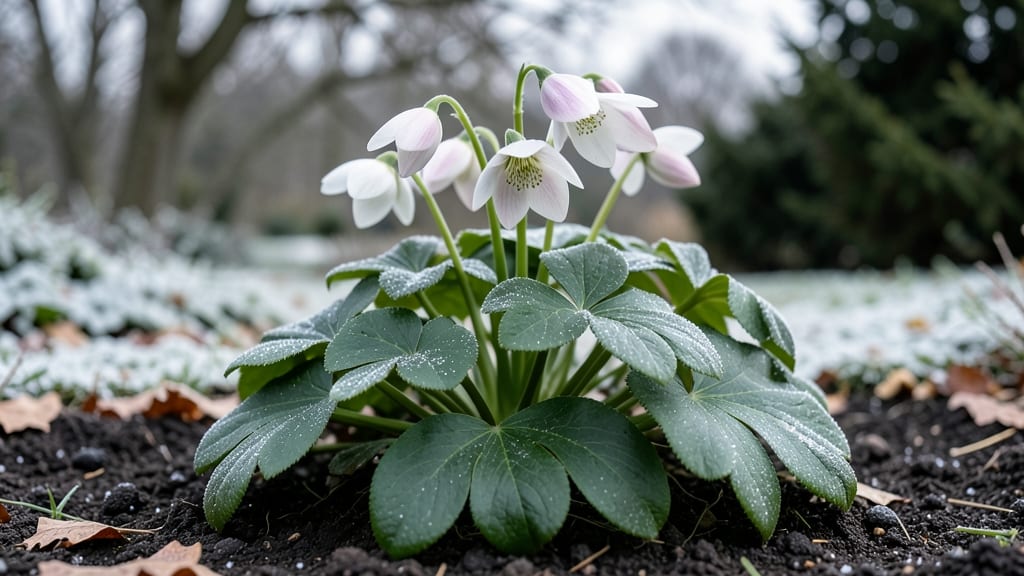
Are there flowers that bloom in winter? The answer is a resounding yes—winter-blooming flowers that thrive in cold climates bring unexpected color when most gardens are asleep, turning frost into their stage.
Picture this: crisp air, snow-dusted branches, and clusters of vibrant blooms peeking through the chill—it’s not a mirage. Plants like hellebores and winter jasmine (🌸) prove that winter gardens can be just as lively as spring ones, with the right choices.
But not all winter flowers are created equal. Some need coddling, while others laugh at frost like old pros. The key? Picking the right varieties for your zone and giving them a little TLC—like mulching or strategic planting—to keep them popping through the cold months.
Below, I break down the top cold-hardy bloomers, their care secrets, and how to stretch their season so your yard stays bright even when the calendar says "hibernate."
Top 10 winter-blooming flowers that thrive in cold climates
When most gardens lie dormant under winter frost, these hardy winter bloomers prove that cold seasons can be just as vibrant. I’ve selected 10 cold-resistant flowers that thrive in USDA zones 4-8, offering color from late fall through early spring.
Whether you’re in a snowy Zone 5 or a milder Zone 7, these perennials and annuals deliver year-round interest with minimal fuss.
Many gardeners assume winter means brown landscapes, but winter jasmine, hellebores, and winter aconite defy that myth. These plants not only survive frost but often bloom more prolifically in cooler weather.
Their secret? Deep roots, evergreen foliage, and adaptive growth habits that store energy during summer for winter displays.
The key to success with winter bloomers is proper site selection and seasonal care. Most prefer well-draining soil and partial shade to full sun, depending on the variety.
Below, I’ve compared the top 10 cold-hardy flowers by bloom time, hardiness, and care requirements to help you create a low-maintenance winter garden that wows neighbors.
How to select and plant winter flowers for maximum impact
Selecting winter flowers isn’t just about choosing cold-hardy varieties—it’s about creating a year-round visual feast that thrives when other gardens are dormant. The key lies in strategic planning that accounts for frost tolerance, soil preparation, and optimal planting windows.
Many gardeners mistakenly assume winter flowers require spring planting, but the best results often come from fall preparation.
Start by evaluating your USDA hardiness zone to select flowers that naturally thrive in your climate. For example, Hellebores (Zone 4-9) and Winter Jasmine (Zone 6-9) are excellent choices for their resilience.
These plants not only survive frost but bloom beautifully during late winter and early spring, providing early-season color when few other flowers are in bloom.
⚠️ CRITICAL STEP: Always prioritize well-draining soil—waterlogged roots can quickly kill even the hardiest winter bloomers. Amend your soil with compost or organic matter before planting to improve drainage and nutrient retention. A pH test (ideal range: 6.0-7.0 for most winter flowers) ensures your plants can access essential nutrients during their dormant season.
Step-by-Step Guide to Planting Winter Flowers
- 🌱 Step 1: Choose Frost-Resistant Varieties
- Hellebores (Lenten Rose)
- Winter Jasmine (Jasminum nudiflorum)
- Camellias (Zone 7-10)
- Pansies (Viola × wittrockiana)
- 🌡️ Step 2: Plant in Fall (Best Time: September-October)
- Allows roots to establish before frost
- Avoids transplant shock in spring
- Ideal for perennials like hellebores
- 🪴 Step 3: Prepare Soil with Organic Matter
- Mix in 2-3 inches of compost
- Add perlite for drainage
- Test pH (aim for 6.0-7.0)
- 🌿 Step 4: Plant with Companion Flowers
- Pair hellebores with ferns for texture
- Combine winter jasmine with boxwood shrubs
- Avoid planting near aggressive spreaders
- ❄️ Step 5: Mulch After Planting
- Use 2-3 inches of straw mulch
- Protects roots from temperature swings
- Retains moisture during dry spells
Timing is everything when planting winter flowers. While fall planting (September-October) gives roots time to establish before winter, early spring planting (March-April) works for tender varieties like pansies.
For example, Winter Jasmine thrives when planted in well-draining soil with full sun—its bright yellow blooms appear in late winter, often before snow melts completely.
Don’t overlook the power of companion planting to extend your winter garden’s appeal. Pair Hellebores with ferns or ornamental grasses to create texture, while Winter Aconite (Eranthis hyemalis) adds cheerful yellow blooms near pathways. These combinations not only enhance visual interest but also improve pollinator support during the off-season.
After planting, monitor your winter flowers for early signs of stress, such as wilting or discolored leaves. While most winter bloomers are frost-tolerant, heavy snow or prolonged cold snaps may require gentle brushing off to prevent damage.
With the right selection, soil prep, and timing, your winter garden will burst with color long after summer’s last bloom fades.