
Blooming
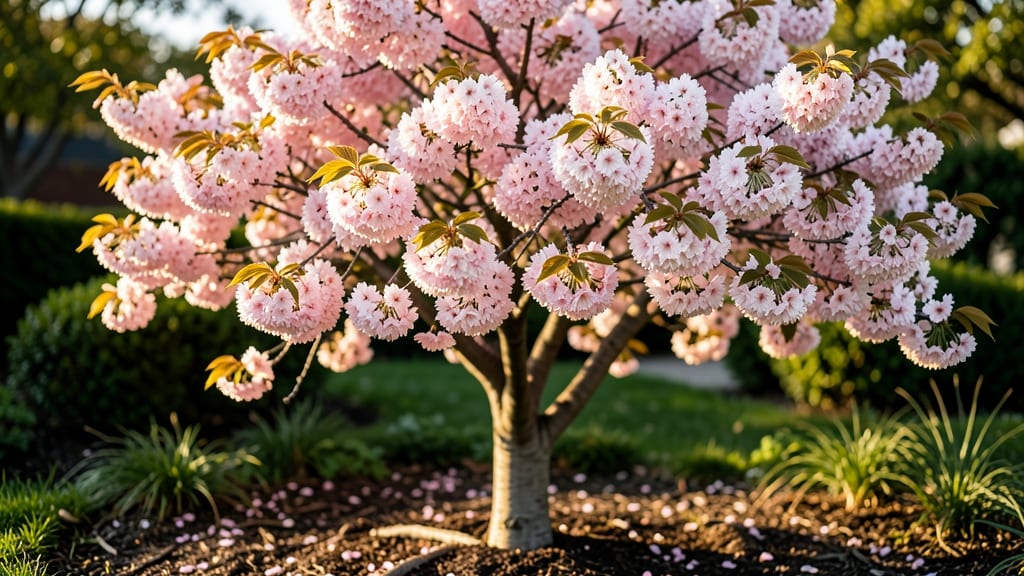
The cherry blossom tree bloom time transforms yards into dreamy pink canopies in spring, typically between March and May 🌸.
Watching cherry blossoms burst into bloom is a magical experience—but timing is everything. Whether you're planning a spring celebration or simply admiring nature's fleeting beauty, knowing the exact bloom window for your region ensures you never miss this seasonal spectacle.
In USDA Zone 6a, like much of the Midwest, blooms usually peak in late April to early May, but climate and variety play huge roles. A late frost or warm winter can shift the schedule by weeks, so tracking local forecasts becomes your secret weapon.
Below, I break down the science behind bloom timing, how to pick the right tree for your area, and the 3 key factors that determine whether your cherry blossom arrives early, on time, or late.
Cherry blossom bloom time by USDA hardiness zones: when to expect peak season
Timing your visit to see cherry blossoms in full bloom depends entirely on your USDA hardiness zone. These delicate trees thrive in zones 4 through 9, but their bloom windows vary dramatically—sometimes by weeks—between regions.
Whether you're planning a trip to Washington D.C.'s Tidal Basin or admiring your backyard Prunus serrulata, knowing your zone's average bloom period ensures you won't miss this fleeting spectacle.
Bloom timing also shifts based on microclimates—urban areas often bloom 1-2 weeks earlier than rural spots due to the "urban heat island" effect. For example, Brooklyn Botanic Garden in Zone 7a typically sees blooms 5-7 days ahead of upstate New York locations.
Even within a single zone, elevation and proximity to large bodies of water can push bloom dates forward or delay them.
Let's dive into the zone-by-zone breakdown of cherry blossom bloom times, including early bloomers, peak season, and late-season varieties that extend the viewing window. This comparison will help you plan your garden or your next cherry blossom pilgrimage with precision.
| USDA Zone | Average Bloom Window | Early Bloomers (Zone Variations) | Late Bloomers (Zone Variations) | Regional Hotspots |
|---|---|---|---|---|
| 4 | Late May - Early June | Early May (southern Zone 4) | Mid-June (northern Zone 4) | Minneapolis, Detroit |
| 5 | Mid-April - Late May | Early April (Zone 5b) | Early June (Zone 5a) | Chicago, Cincinnati |
| 6 | Early April - Mid-May | Late March (Zone 6b) | Late May (Zone 6a) | Philadelphia, St. Louis |
| 7 | Late March - Early April | Mid-March (Zone 7b) | Mid-April (Zone 7a) | Washington D.C., Brooklyn |
| 8 | Mid-February - Late March | Early February (Zone 8b) | Early April (Zone 8a) | Atlanta, New Orleans |
| 9 | January - Mid-February | Late December (Zone 9b) | Mid-February (Zone 9a) | Los Angeles, San Diego |
In Zone 4, where winters are harsh, cherry blossoms often wait until late May or early June to bloom, aligning with the last reliable frost dates.
However, Zone 4b areas like Detroit may see early bloomers as soon as mid-May, while Zone 4a (e.g., Minneapolis) typically blooms 2 weeks later.
This delay gives gardeners in colder zones a longer window to prepare for post-bloom care, like pruning spent flowers to encourage next year's buds.
Moving to Zone 5, you'll find a 2-week spread from early April in Zone 5b (e.g., Chicago) to late May in Zone 5a. The National Cherry Blossom Festival in Washington D.C. (Zone 7a) famously peaks in late March to early April, but nearby <
How to predict your cherry blossom tree's exact bloom date using temperature trends
Predicting when your Prunus serrulata will burst into bloom isn't just guesswork—it's science! By tracking temperature trends and using degree-day calculations, you can pinpoint bloom dates with surprising accuracy. This method helps you avoid late frost damage while maximizing your enjoyment of those iconic pink blossoms.
Cherry blossoms rely on chilling hours (cold winter temperatures) followed by warm spring days to trigger blooming. The National Oceanic and Atmospheric Administration (NOAA) provides free tools to track these patterns. For example, Washington D.C.'s famous Tidal Basin trees typically bloom when 500-600 degree-days accumulate after dormancy.
- Track chilling hours: Cherry blossoms need 800-1,000 hours below 45°F (7°C) to break dormancy. Use a smart weather station or NOAA data.
- Calculate degree-days: Sum daily temps above 45°F (7°C) after dormancy. 500-600 degree-days = bloom time for most varieties.
- Monitor late frosts: Blooms appear when night temps stay above 32°F (0°C) for 3+ days. Check NOAA frost forecasts.
- Use bloom prediction apps: Try Cherry Blossom Forecast (iOS/Android) or Gardeners' Almanac for real-time alerts.
- Adjust for microclimates: Urban areas bloom 1-2 weeks earlier than rural zones due to the heat island effect.
Heatwaves can delay blooms by extending dormancy, while unseasonably warm winters may cause early (and frost-sensitive) blooms. For instance, my Yoshino cherry blossom in USDA Zone 7 bloomed 10 days early last year after a mild winter. Always cross-check with local gardeners' reports for accuracy.
For hybrid varieties like Kwanzan, add 100-200 degree-days to your calculations—they bloom 1-2 weeks later than standard Prunus serrulata. Pro tip: Plant early-blooming and late-blooming varieties together to extend your seasonal display.
Start tracking temperatures now! Use a free NOAA API or apps like PlantNet to log daily highs/lows. By late winter, you'll have a precise bloom forecast—no more missed photo ops or frost-damaged blossoms.
Once you master this method, you'll feel like a cherry blossom whisperer. Share your predictions with neighbors to create a community bloom watch—it's a rewarding way to connect over nature's fleeting beauty. 🌸