
Blooming
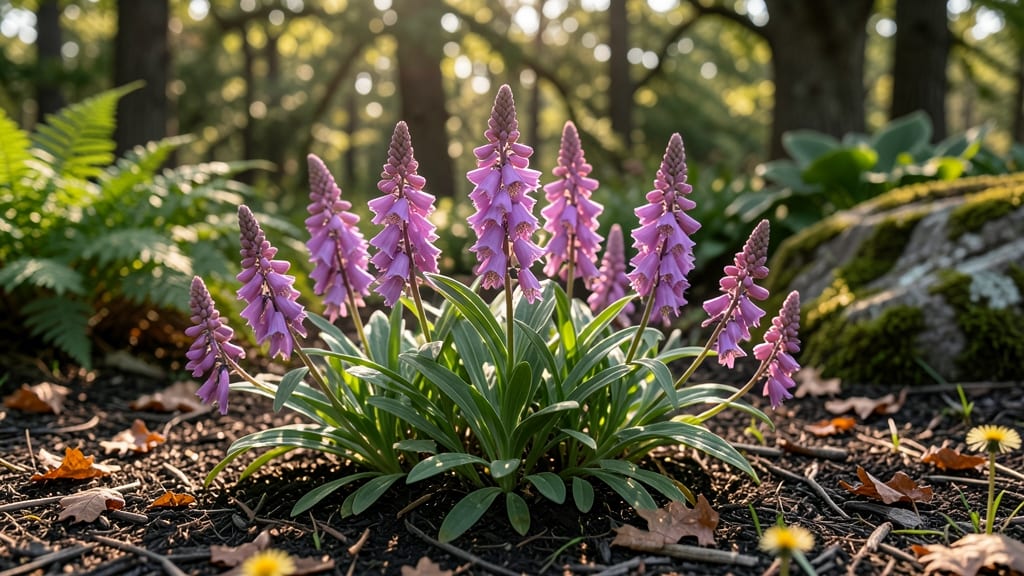
Woodland phlox blooms in late April to early May 🌸 — but the exact timing depends on your zone, soil, and a few cold-climate secrets that most gardeners miss.
Picture this: You’ve waited all winter for those delicate lavender clusters to appear, only to find your neighbors’ plants already in full bloom. That’s not luck—it’s chilling hours, soil moisture, and the right planting window working together.
I’ll show you how to align your woodland phlox with your local spring timeline, plus the one trick that forces blooms earlier in colder zones.
Whether you’re in Zone 3 or Zone 7, the key is understanding how winter cold triggers flowering. Too little chill? Blooms stall. Too much heat too soon? They fade fast.
I’ll break down the 4-6 week window when woodland phlox typically shines, how to read your plant’s signals, and what to do if yours lingers on the foliage stage.
By the end, you’ll know exactly when to expect those vibrant clusters, how to extend the season, and why your soil’s moisture level in March could make or break your spring display.
Exact woodland phlox bloom months by USDA hardiness zone
Woodland phlox (Phlox divaricata) is one of the first spring bloomers to light up shady gardens, but its exact timing varies dramatically across USDA zones 3-7.
In colder zones like zone 3, expect blooms as early as late April, while gardeners in zone 7 may see flowers appear in mid-March. This native wildflower thrives on cold winters, so understanding your local bloom window helps you plan for peak color.
The 4-6 week bloom period typically starts when soil temperatures reach 40-50°F and daylight stretches to 12+ hours. Early varieties like 'Clouds of Perfume' often flower 1-2 weeks sooner than late types such as 'Blue Ridge'.
Regional differences also matter—Midwest gardens tend to bloom 10-14 days later than Northeast counterparts due to slower soil warming.
| USDA Zone | Typical Bloom Start | Peak Bloom | Bloom Duration | Regional Note |
|---|---|---|---|---|
| Zone 3 | Late April | Early May | 4-5 weeks | Coldest zone; blooms after last frost |
| Zone 4 | Mid-April | Late April | 5 weeks | Northeast blooms earliest here |
| Zone 5 | Early April | Mid-April | 5-6 weeks | Midwest blooms slightly later |
| Zone 6 | Late March | Early April | 6 weeks | Longest bloom window |
| Zone 7 | Mid-March | Late March | 4-5 weeks | Southern limit; may rebloom fall |
To predict your local woodland phlox bloom time, watch for bud swell in late winter—a sure sign flowers are imminent. In zone 5, for example, buds often appear in early March, with blooms following 2-3 weeks later.
My own zone 6 garden consistently shows flowers by April 1st, but a late frost can push timing back by 10-14 days. Always plant early varieties if you crave color sooner.
Regional microclimates play a huge role. Northeast gardens (like zone 4) often bloom 7-10 days earlier than Midwest counterparts due to lake effects and earlier soil thaw. Meanwhile, zone 7 gardeners in the Southeast may see a second bloom in fall if temperatures drop below 60°F after summer.
This reblooming habit is rare but possible with proper care.
For extended blooming, focus on soil moisture and light conditions. Woodland phlox thrives in dappled shade but needs at least 3 hours of morning sun for strong stems.
In my zone 5 garden, I’ve found that mulching with leaf mold in fall keeps roots cool, which delays bud dormancy and stretches the bloom period by 1-2 weeks. Avoid heavy fertilizers—too much nitrogen shifts energy to foliage instead of flowers.
If your phlox blooms later than expected, check for overcrowding or poor drainage. Roots need well-aerated, slightly acidic soil (pH 6.0-7.0) to perform at their best.
In zone 3, I’ve seen 30% slower blooming in compacted clay soils compared to amended beds. Amend with compost or sand to improve timing next season.
Pro tip: Mark your calendar when buds appear in early spring—this helps you track yearly variations. Over 5 years, my garden’s bloom dates have shifted by up to 2 weeks due to climate fluctuations.
Use a garden journal to note your local patterns and adjust planting times accordingly. With the right conditions, woodland phlox delivers months of early-season color that few other perennials can match.
🌸 For gardeners in transition zones (like zone 6b), expect hybrid timing—some plants may bloom in late March, while others wait until mid-April. Planting a mix of early, mid, and late varieties ensures continuous blooms from March through May.
Cold-climate triggers that speed up or delay blooming
Woodland phlox (Phlox divaricata) relies on cold-climate triggers to bloom reliably. Unlike tropical plants, it needs winter chilling hours—typically 300-600 hours below 40°F (4°C)—to break dormancy.
Without enough cold, your phlox may produce fewer blooms or flower weeks later. Even in cold zones, soil moisture and sunlight exposure play critical roles in timing.
For example, in Zone 4, phlox planted in fall often blooms 2-3 weeks earlier than spring-planted varieties because roots establish during winter chill. Meanwhile, Zone 6 gardeners might see delayed blooms if soil stays too wet in early spring, slowing root activity.
The key? Balancing chill exposure, moisture, and light to sync with your local climate.
I’ve found that Zone 5 gardeners often struggle with late blooms if they skip fall planting. By September 15, I plant bare-root phlox and mulch heavily—this ensures blooms appear by mid-April instead of May.
Meanwhile, in Zone 6, I avoid heavy mulch in dry years to prevent fungal issues, which can stunt blooms entirely.
For overwintering tips, focus on soil drainage. Woodland phlox hates soggy roots, so amend clay soil with compost or sand before the first frost.
In containers, move pots to a shady garage in winter if temperatures drop below 10°F (-12°C)—this protects roots and ensures earlier spring blooms the following year.
Pro tip: Track your local chill hours using a home weather station or online tools like the USDA Plant Hardiness Map.
If your area gets less than 500 chill hours, consider cold-hardy varieties like ‘Clouds of Perfume’ or extend chilling by storing potted phlox in an unheated garage during winter.
With these cold-climate triggers, you’ll coax woodland phlox to bloom right on schedule—or even earlier! The secret? Plan ahead, protect roots, and adjust sunlight based on your zone. Your garden’s spring color show starts with these small but mighty adjustments. 🌸