
Blooming
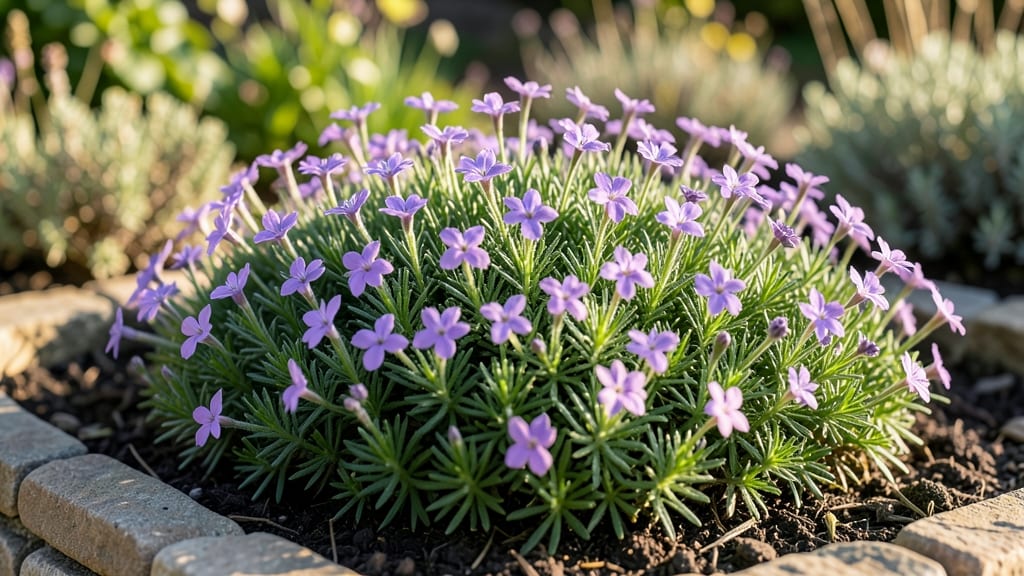
The Phlox subulata bloom time is a dance with temperature—spring’s first burst of color, followed by a heat-triggered encore that can extend your garden’s show into summer.
If you’ve ever wondered why your Moss Phlox 🌸 blooms in spring but fades by summer—only to surprise you with a second flush—heat is the hidden secret. This hardy ground cover thrives on temperature cues, and understanding its bloom triggers can turn a single-season display into months of vibrant color.
In Zone 6a (where many gardeners live), expect the first blooms in early April, with a second wave if summer stays mild. But too much heat? That’s when even the hardiest varieties pull back—unless you know how to coax them into reblooming.
Below, I’ll break down the exact conditions that extend blooms, common mistakes that cut them short, and how to pair Phlox subulata with other spring stars for a garden that never stops shining.
Phlox subulata bloom time by USDA hardiness zones: when heat triggers reblooms
Phlox subulata, or moss phlox, is one of those garden workhorses that rewards patience with bursts of color. While most gardeners expect a single spring bloom, this versatile ground cover often delivers a surprise heat-induced rebloom later in the season. The timing of these blooms depends heavily on your USDA hardiness zone, with temperature thresholds between 50°F and 75°F acting as natural triggers. Understanding these patterns helps you plan for year-round color and avoid missing the second show.
In cooler zones like 3-5, the primary bloom occurs in late spring (April-May), while warmer zones 6-8 may see an earlier start in March-April.
What’s fascinating is how summer heat waves can trigger a second flush of blooms in late summer or early fall, especially in zones 5-8. This rebloom isn’t guaranteed but often happens when daytime temperatures dip into the 70s°F after a hot spell, signaling the plant to produce flowers again.
| USDA Zone | Primary Bloom Window | Rebloom Trigger | Late-Season Color |
|---|---|---|---|
| 3-4 | Mid-May to early June | Rare; needs warm spells above 65°F | Minimal; focus on spring blooms |
| 5 | Late April to May | Possible in July-August with heat waves | Light rebloom; best in partial shade |
| 6 | March-April | Common in July-September | Vibrant; pairs well with fall asters |
| 7-8 | February-March or September-October | Frequent; triggered by 70s°F after heat | Bold; extends season into November |
In Zone 3-4, gardeners should focus on spring blooms since reblooms are rare due to shorter growing seasons. The cool nights and short days of these zones often prevent the heat-induced triggers needed for a second flush.
However, if you notice unseasonably warm spells in July, your phlox might surprise you with a few late blooms—especially if planted in well-draining soil with afternoon shade.
Zones 5-6 offer the best of both worlds: reliable spring blooms and a 50-70% chance of reblooming in late summer. The key is to monitor temperature fluctuations. If daytime highs reach the mid-70s°F after a heatwave, your phlox may respond by producing new buds.
To encourage this, avoid heavy summer pruning and keep the soil lightly moist but not soggy—this mimics natural rainfall patterns that trigger blooming.
Gardeners in Zones 7-8 often enjoy two distinct bloom periods: one in early spring and another in late summer or fall. The fall blooms are particularly stunning because they coincide with cooler temperatures and longer nights, which intensify flower colors.
In these zones, heat management becomes crucial. Providing afternoon shade during peak summer months can prevent stress while still allowing enough sunlight for photosynthesis. This balance is what unlocks those late-season color bursts.
One common misconception is that overwatering will prolong blooms. In reality, consistent moisture without waterlogging is key. Phlox subulata is drought-tolerant once established, but it needs enough water to trigger blooming cycles.
In my own garden in Zone 6a, I’ve found that deep watering once a week during dry spells keeps the plants happy without encouraging fungal issues. Mulching with 2-3 inches of organic matter also helps retain moisture and regulate soil temperature.
To maximize reblooms, I recommend light pruning after the first bloom. Cut back one-third of the plant height to encourage bushier growth and more flower stems. This works best in Zones 5-8 where the plant has time to recover before summer heat sets in.
Avoid heavy pruning in Zones 3-4, as these plants need all their energy to survive winter. Instead, focus on removing spent blooms to keep the plant looking tidy and encourage new growth.
For gardeners in warmer zones, late-summer color combinations are where phlox truly shines. Pairing purple or pink phlox with golden sedum or salvia creates a striking contrast that extends your seasonal interest.
In Zone 8, I’ve seen phlox rebloom as late as November when planted near a south-facing wall that captures residual heat. This late-season display is one of the reasons I
How to extend Phlox Subulata Blooms: 3 Heat-Management Tips for Longer Flowers
Phlox subulata thrives on seasonal heat cues, but summer’s intensity often cuts blooms short. The key to extending its vibrant displays lies in managing temperature stress without sacrificing its natural rhythm. Unlike annuals, this perennial relies on cool-season triggers—so we’ll use strategic adjustments to coax a second flush without overwhelming it. Think of it like a dance: too much heat too soon, and the show ends early.
First, recognize that heat stress above 75°F forces Phlox subulata into dormancy. But with the right approach, you can delay this response. The secret? Pruning, moisture balance, and shade timing—three levers that work together to keep your moss phlox blooming longer.
Let’s break down how to apply each without sacrificing the plant’s health or next year’s performance.
🌱 3 Heat-Management Tips for Extended Blooms
- 1. Strategic Pruning: Trim spent blooms by 1/3 after first flush (May) to redirect energy. Avoid cutting into new growth—this triggers second blooms in fall.
- 2. Moisture Balance: Water deeply 2x/week in summer to cool roots. Avoid wetting foliage—this prevents fungal stress that shortens blooms.
- 3. Shade Timing: Provide afternoon shade (1–3 PM) in Zones 7–9 to lower leaf temps by 10–15°F, delaying dormancy.
Let’s start with pruning, the most direct way to control bloom timing. After your Phlox subulata finishes its primary spring display (typically May), give it a light haircut—but not too close! Cutting back 1/3 of the plant height removes spent blooms while preserving foliage that photosynthesizes for reblooms.
Pro tip: Use clean, sharp shears to avoid tearing stems, which invites disease. Timing matters too—prune immediately after blooms fade, not mid-summer when heat stress peaks.
Next, moisture balance is critical. Phlox subulata is drought-tolerant once established, but during heatwaves, deep watering 2 times per week (early morning) keeps roots cool and encourages deeper root growth. The goal? Maintain consistent soil moisture without soggy conditions.
A 5-inch soil probe helps gauge depth—if it’s dry, water; if moist, hold off. Mulch with 2–3 inches of straw to retain moisture and insulate roots from temperature swings.
Finally, shade adjustments can work wonders in hot climates. If you’re in USDA Zones 7–9, install dappled shade cloth (30–50% coverage) over your phlox during afternoon hours (1–3 PM).
This reduces leaf temperatures by 10–15°F, delaying dormancy signals. For containers, move them to a shadier spot temporarily—just ensure they still get 4–6 hours of morning sun for photosynthesis.
Combine these three strategies, and you’ll see second blooms in late summer or early fall, often lasting into October. The trick is patience: don’t rush the plant into dormancy by overpruning or letting it dry out.
With heat management, your Phlox subulata will reward you with months-long color instead of a single spring burst.