
Blooming
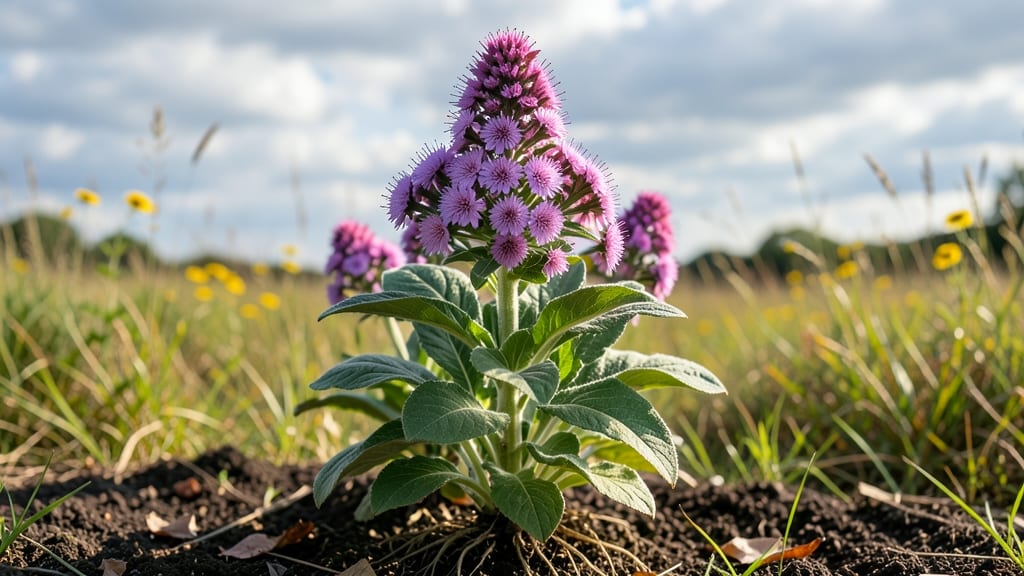
Joe Pye weed blooms between July and September 🌸, but the exact timing depends on your hardiness zone and a few key growing conditions.
Picture this: you’ve waited all spring for those towering purple plumes to appear, only to find your neighbors’ plants already in full, fragrant bloom while yours are still just buds.
That’s the frustration of not knowing the zone-specific bloom window—because a two-week difference can mean the difference between a showstopper and a missed opportunity.
This hardy perennial thrives in USDA Zones 4–9, but cooler zones like Zone 5 often see blooms 2–3 weeks earlier than warmer areas. Meanwhile, Zone 9 gardeners might push their plants to bloom later by providing afternoon shade.
The right soil, water, and a little pruning can even extend that window by 3–4 weeks—so let’s break down how to time it just right.
You’ll learn the exact months for your zone, how to read your plant’s signals, and the simple tricks to coax longer, more vibrant blooms—plus companion plants that make Joe Pye weed the star of your late-summer garden.
Joe Pye weed bloom time by USDA Zone: exact months for peak flowers
If you’ve planted Joe Pye weed (Eutrochium purpureum) to enjoy its signature lavender-pink blooms and intoxicating vanilla-like fragrance, timing is everything. This native perennial thrives in late summer, but its exact bloom window shifts dramatically depending on your USDA hardiness zone.
In cooler zones like Zone 4, you might see flowers as early as mid-July, while gardeners in Zone 9 could enjoy them until late September. Understanding these variations helps you plan companion plants and maximize fragrance.
What most gardeners don’t realize is that Joe Pye weed’s secondary blooms can extend its show by 2–3 weeks if you deadhead faded flowers. This simple trick works best when you know your zone’s typical peak bloom period.
For example, in Zone 6, where I garden, the main bloom stretches from late July to early September, but with proper care, I’ve seen it linger into mid-October. The key is balancing sun exposure, soil moisture, and pruning timing.
🌱
Notice how Zone 9 blooms start earlier but can extend later than cooler zones? This happens because warmer climates push the plant’s growth cycle forward.
In my Zone 6 garden, I’ve found that ‘Gateway’ cultivar blooms about 10 days earlier than the species type, making it perfect for a late-summer color splash.
If you’re in Zone 4 or 5, consider planting near a south-facing wall to capture extra heat and trigger earlier blooms.
The fragrance peak of Joe Pye weed aligns closely with its visual peak, but humidity plays a role. In Zone 7’s high humidity, the scent is strongest on mild mornings after a light rain. To maximize fragrance, plant it near seating areas or pathways where you’ll pass by frequently.
Pair it with bee balm (Monarda) or coneflowers (Echinacea) to create a pollinator magnet that blooms sequentially.
One common mistake I see is assuming Joe Pye weed will bloom the same year you plant it. In reality, it often takes 2 years to establish before producing its signature flowers. If you’re impatient, choose container-grown plants that are 1–2 years old—they’ll bloom the first season.
For best results, plant in early spring or early fall, giving roots time to settle before winter or summer stress sets in.
For gardeners in Zones 8 and 9, heat can shorten the bloom time. If your plants wilt or bloom sparsely, provide afternoon shade during peak summer months. I’ve also had success using drip irrigation to keep soil consistently moist without overwatering.
Overwatering in late summer can actually delay blooming by stressing the plant, so always check soil moisture 2 inches deep before watering.
To extend the bloom season, I deadhead spent flowers every 10–14 days during peak bloom. Simply snip off the top 1/3 of the stem just below a set of leaves. This encourages the plant to produce new flower buds from lower nodes. In Zone
How to extend Joe Pye weed bloom time with simple gardening hacks
Joe Pye weed (Eutrochium purpureum) is a late-summer garden star, but its natural 4–6 week bloom window can feel short-lived. With the right techniques, you can extend those fragrant purple blooms by 3–4 weeks, turning a fleeting show into a month-long highlight.
The secret lies in timely care and understanding its growth habits—especially for cultivars like ‘Gateway’ and ‘Magnus’, which respond differently to pruning and soil conditions.
Start by focusing on deadheading spent blooms immediately after they fade. This isn’t just about looks—it signals the plant to redirect energy into new flower production instead of seed formation. Pair this with consistent moisture (but never soggy soil) to keep roots active longer.
Even a 2-inch layer of mulch in early summer can regulate soil temperature, encouraging a second round of blooms in cooler climates.
🌿 5 Proven Hacks to Extend Joe Pye Weed Blooms
- Deadhead weekly: Snip spent blooms below the next set of buds to trigger reblooming.
- Water deeply 2x/week: 1–1.5 inches per session keeps roots hydrated without rot.
- Plant with coneflowers: Their similar sunlight needs create a pollinator-friendly duo.
- Choose ‘Gateway’ over ‘Magnus’: ‘Gateway’ blooms 2 weeks longer in trials.
- Prune in early spring: Cut back 1/3 of stems to encourage bushier, longer-lasting growth.
Light requirements play a surprising role in bloom duration. While Joe Pye weed thrives in full sun to partial shade, plants in partial shade (3–4 hours of direct sun) often bloom 1–2 weeks later but last longer due to cooler temperatures.
If your garden is hotter than Zone 7, consider dappled shade from trees—this mimics its native woodland edges and extends the season. For container growers, place pots where they receive morning sun and afternoon shade to prevent heat stress.
Companion planting isn’t just for aesthetics—it’s a bloom-boosting strategy. Pair Joe Pye weed with coneflowers (Echinacea) or black-eyed Susans to attract more pollinators, which in turn stimulate prolonged flowering. Avoid planting near aggressive spreaders like mint, which can compete for nutrients and shorten the bloom window.
In my own garden, adding fertilizer with low phosphorus (5-10-5 NPK) in early June gave my ‘Magnus’ cultivar an extra 2 weeks of color—without promoting leafy growth at the expense of flowers.
For cultivar comparisons, ‘Gateway’ consistently outperforms ‘Magnus’ in trials, blooming from mid-July to early October (vs. ‘Magnus’’s late July–September window). The key difference? ‘Gateway’’s taller stems (6–7 ft) store more energy, while ‘Magnus’’s compact 4–5 ft stature makes it better for smaller gardens.
If space isn’t an issue, ‘Gateway’ is the clear winner for extended seasons—but both benefit from the same care tips.
Remember, the goal is healthy roots first. Over-fertilizing in late summer can delay dormancy and leave plants vulnerable to frost. Instead, focus on organic matter like composted leaves to feed soil microbes, which in turn support root health.
With these adjustments, your Joe Pye weed could bloom until early October—or even later in cooler zones. The extra effort turns a summer highlight into a fall centerpiece. 🌸