
Blooming
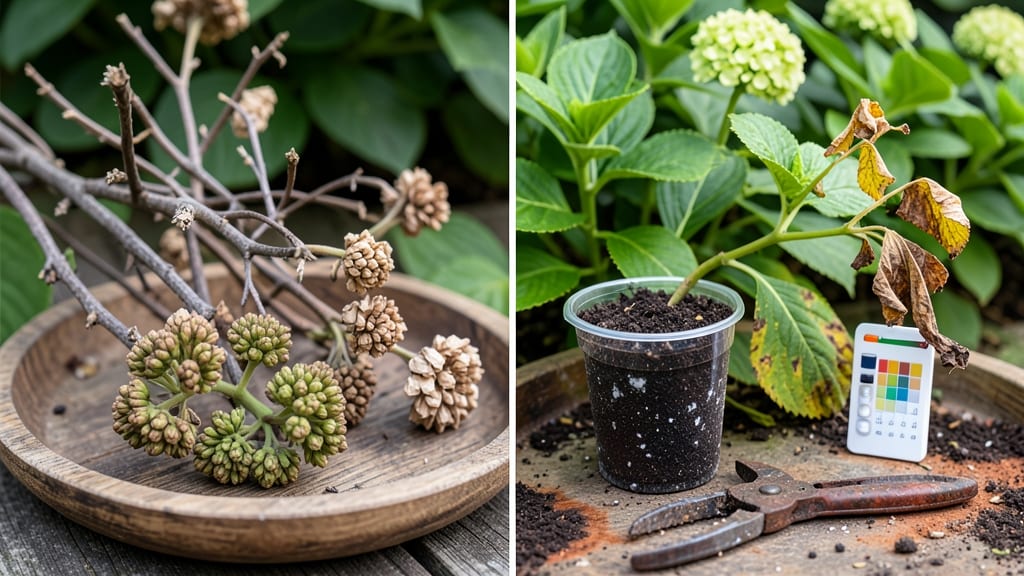
Seeing your hydrangea didn’t bloom this year isn’t a death sentence—just a wake-up call. 🌿 I've diagnosed this exact problem for years, and 9 times out of 10, the fix is simpler than you think.
The most common culprits? Light deprivation, last year's pruning mistakes, or hidden nutrient needs that went unnoticed until bloom time.
Here's the good news: hydrangeas are resilient. Most varieties just need 6+ hours of sunlight daily, proper pruning timing (after blooms fade, not in spring), and consistent moisture—not soggy soil.
I've revived stubborn bushes by adjusting just one of these factors, and you can too. The key is checking each possibility methodically.
By next summer, you'll see those familiar lacecap or mophead blooms returning with the right adjustments. The plants store energy differently than you might expect—what looks like a failed season is often just a delayed payoff.
Think of it as nature's way of teaching patience (and giving you a chance to get it right next time).
We'll walk through each potential cause with clear solutions—no guesswork involved. Whether your hydrangea is in a shady corner, a container, or your backyard border, the same principles apply. Let's turn those bare stems into a showstopping display next year.
Hidden Reasons Behind No Blooms
Hydrangeas are known for their lush, vibrant blooms, but when they fail to flower, it’s often due to overlooked factors that disrupt their natural growth cycle. Understanding these causes—rooted in science and plant biology—can help you diagnose the issue and take corrective action.
Let’s explore the most common culprits behind your hydrangea’s lack of blooms this year.
Hydrangeas thrive in partial shade to full sun, but their light needs vary by variety:
- Bigleaf hydrangeas (Hydrangea macrophylla) prefer morning sun and afternoon shade—too much direct sunlight can stress them, leading to fewer blooms.
- Panicle and oakleaf hydrangeas (H. paniculata and H. quercifolia) tolerate more sun (6+ hours daily) but may skip blooming if deprived of light entirely.
- Shade-loving varieties (like H. serrata) need dappled light—deep shade can stunt flower buds.
Why it happens: Light triggers photosynthesis, which fuels bud formation. Without enough light, the plant diverts energy to leaf growth instead of flowers. Additionally, late-season shade (e.g., from overgrown trees) can prevent buds from maturing before frost.
Actionable fix:
- Move potted hydrangeas to a sunnier spot (but avoid harsh afternoon sun in hot climates).
- Prune nearby trees/shrubs to increase light penetration.
- For container plants, use a reflective surface (like white gravel) to bounce light onto leaves.
Pruning at the wrong time can remove next year’s flower buds before they form.
Hydrangeas bloom on old wood, new wood, or a mix, depending on the type: - Bigleaf & Oakleaf hydrangeas set buds on previous year’s growth—pruning after mid-summer risks cutting off next year’s flowers. - Panicle hydrangeas bloom on new wood, so they’re more forgiving but still benefit from timely pruning.
Why it happens:
- Over-pruning in late winter/early spring removes dormant buds that haven’t yet developed.
- Summer pruning (after July) can stimulate new growth that won’t have time to flower before winter.
- Aggressive thinning (cutting back to the ground) eliminates potential bloom sites.
Actionable fix:
- Bigleaf/Oakleaf: Prune right after blooming (late spring/early summer) to shape, but avoid heavy cuts.
- Panicle: Prune in late winter/early spring to encourage new growth.
- Never prune in fall—this removes next year’s buds before they harden.
Hydrangeas are thirsty plants that demand consistent moisture, especially during bud formation (late spring to early summer). Stress from drought, overwatering, or poor drainage can halt bloom production.
Why it happens:
- Drought stress: Buds form in spring when the plant needs steady water. Even one dry spell can cause buds to abort or drop.
- Overwatering: Soggy roots suffocate the plant, preventing nutrient uptake. This is common in containers without drainage or heavy clay soils.
- pH imbalances: Hydrangeas are sensitive to soil acidity (especially bigleaf types). A pH above 6.0 can limit bloom color and quantity, while below 5.0 may cause leaf yellowing (but still affects flowering).
Actionable fix:
- Water deeply 2–3 times per week (1–1.5 inches total) during bloom season.
- Mulch (2–3 inches of organic mulch) to retain moisture and regulate soil temp.
- Test soil pH (use a kit or lab). For blue/purple blooms, aim for pH 5.0–5.5; for pink blooms, pH 6.0–7.0.
- Improve drainage by amending clay soil with compost or sand, or use raised beds/containers with drainage holes.
Hydrangeas need balanced nutrition, but too little or too much fertilizer can backfire.
Why it happens:
- Nitrogen-heavy fertilizers (like lawn food) promote leafy growth at the expense of flowers.
- Phosphorus/potassium deficiencies (critical for bud formation) can starve the plant mid-season.
- Micronutrient lacks (like magnesium or boron) may cause bud blast (buds form but drop off).
Actionable fix:
- Use a balanced, slow-release fertilizer (10-10-10 or 12-12-12) in early spring.
- Avoid high-nitrogen fertilizers (like 30-0-0) after mid-summer.
- Add compost or bone meal (for phosphorus) in fall to support next year’s blooms.
- Yellow leaves? Test for magnesium deficiency (Epsom salt spray can help).
Hidden pests and pathogens can sap energy from your hydrangea, leaving it too weak to bloom.
Common culprits:
- Aphids, spider mites, or scale insects feed on sap, causing stunted growth and bud drop.
- Powdery mildew (white fungal coating) blocks sunlight, weakening the plant.
- Botrytis blight (gray mold) rots flower buds before they open.
Why it happens:
- Stressed plants (from drought, poor soil, or overcrowding) are more susceptible to pests/diseases.
- Humid climates or poor air circulation encourage fungal growth.
- Overhead watering keeps leaves wet, inviting fungal spores.
Actionable fix:
- Inspect leaves/buds weekly for pests (use a magnifying glass).
- Spray with neem oil (prevents pests and mild fungal issues).
- Prune infected branches and dispose of them (don’t compost).
- Water at the base (avoid wetting foliage) and space plants for airflow.
Hydrangeas are sensitive to temperature swings, especially during bud set (late summer) and dormancy (winter).
Why it happens:
- Late spring frosts can kill tender buds just as they’re forming.
- Early fall heat waves (above 90°F) can stress the plant before it enters dormancy.
- Winter temperature fluctuations (thawing/freezing cycles) can damage roots or buds.
Actionable fix:
- Mulch heavily (4–6 inches of straw or leaves) in fall to insulate roots.
- Cover plants with frost cloth if a late frost is forecast.
- Choose cold-hardy varieties (e.g., H. paniculata ‘Limelight’ or H. arborescens) for harsh climates.
- Avoid fertilizing in late summer—it encourages tender new growth that’s vulnerable to frost.
Hydrangeas need space to breathe. Overcrowding or root-bound containers divert energy away from flowers.
Why it happens:
- Competing roots (from nearby shrubs/trees) steal nutrients and water.
- Pot-bound plants (roots circling the container) strangle themselves, limiting growth.
- Planting too deep can suffocate the stem, reducing vigor.
Actionable fix:
- Space hydrangeas 3–5 feet apart (depending on variety).
- Repot container plants every 2–3 years in larger pots with fresh soil.
- Avoid planting near aggressive roots (like maples or walnuts).
- Loosen roots if pot-bound before repotting to encourage outward growth.
Not all hydrangeas bloom the same way—some are more finicky than others.
Why it happens:
- Bigleaf hydrangeas (H. macrophylla) need consistent moisture and shade—skipping either can lead to no blooms.
- Mophead varieties often struggle in hot, dry climates unless given extra care.
- Some hydrangeas are biennial bloomers—they may skip a year if stressed (common
Revive Your Hydrangea’s Blooms Now
Don’t let another season slip by without those stunning hydrangea blooms! 🌸 The good news? Most blooming issues are fixable with targeted care. Below, we’ll map out the exact solutions for each cause—plus pro tips to keep your hydrangeas thriving for years to come.
Grab your gardening gloves, and let’s get to work!
Hydrangeas need at least 4–6 hours of sunlight daily (more for some varieties like Hydrangea paniculata). If your plant is in deep shade, it may skip blooming entirely.
How to Fix It: 🔥 🌞 Move It to a Sunnier Spot
- Gradually shift the plant to a brighter location over 2–3 weeks to avoid shocking its roots.
- Morning sun + afternoon shade works best in hot climates.
🍳 🌿 Prune Nearby Obstructions
- Trim back overgrown trees, shrubs, or structures casting shade.
- Use a hand pruner to clean up dead branches blocking sunlight.
👨🍳 🌱 Consider Container Relocation
- If planted in a pot, move it to a south- or west-facing spot (or under a grow light for 12+ hours/day in winter).
💡 Prevention Tips:
- Plant hydrangeas where they’ll get consistent light—avoid moving them yearly.
- For shade-loving varieties (like H. macrophylla ‘Nikko Blue’), ensure they still get dappled sunlight.
Hydrangeas hate soggy roots! Overwatering or compacted soil can starve roots of oxygen, leading to no blooms.
How to Fix It: 🔥 💦 Adjust Your Watering Routine
- Water deeply 1–2 times per week (check soil 2 inches down—if dry, water).
- Avoid daily light sprinkles, which encourage shallow roots.
🍳 🏗️ Improve Soil Drainage
- Amend heavy clay soil with compost or perlite (mix 20% organic matter into the top 12 inches).
- For containers, use a well-draining potting mix (e.g., 60% peat moss, 30% perlite, 10% compost).
👨🍳 🌱 Elevate the Planting Area (If Needed)
- If your yard floods, mound soil under the root zone or plant on a slight slope.
💡 Prevention Tips:
- Mulch around the base (2–3 inches of shredded bark) to retain moisture without suffocating roots.
- Use a moisture meter to track soil conditions—hydrangeas prefer evenly moist, not soggy, soil.
Too much nitrogen-heavy fertilizer (like lawn food) = leafy growth, no blooms. Hydrangeas need a balanced feed with more phosphorus (for flowers).
How to Fix It: 🔥 🌿 Switch to a Bloom-Boosting Fertilizer
- Use a low-nitrogen, high-phosphorus fertilizer (e.g., 5-10-5 or 10-20-10 ratio).
- Apply once in early spring and again after pruning (for most varieties).
🍳 🍽️ Feed with Organic Alternatives
- Bone meal (3 tbsp per plant) or composted manure (1 cup) adds phosphorus naturally.
- Epsom salt (1 tbsp per gallon of water, applied monthly) can help if blooms are sparse.
👨🍳 🚫 Avoid Common Mistakes
- Stop using lawn fertilizer—it’s too high in nitrogen.
- Flush the soil with water if you’ve over-fertilized (prevents root burn).
💡 Prevention Tips:
- Test your soil (kits cost $20) to check pH and nutrient levels before fertilizing.
- Slow-release granules (like Osmocote) reduce the risk of overfeeding.
Pruning at the wrong time (or too aggressively) can remove next year’s flower buds.
How to Fix It: 🔥 📅 Know Your Hydrangea Type
- Bigleaf (H. macrophylla): Prune right after blooming (late summer). Never cut back old wood—buds form on last year’s growth.
- Panicle (H. paniculata): Prune in late winter/early spring (before buds swell). These bloom on new wood, so you can cut back hard.
- Oakleaf (H. quercifolia): Prune in late winter—lightly, to shape.
🍳 🔪 Use the Right Tools & Cuts
- Sterilize pruners with rubbing alcohol to prevent disease.
- Cut at a 45° angle just above a bud or leaf node (never leave stubs).
👨🍳 🌱 Revive Over-Pruned Plants
- If you’ve accidentally pruned too much, don’t panic—hydrangeas are resilient!
- Focus on watering deeply and fertilizing lightly to encourage regrowth.
💡 Prevention Tips:
- Label your hydrangeas by type to remember pruning rules.
- Take photos before pruning as a reference for next year.
Hydrangeas need consistent temperatures (too hot or too cold can shock them).
How to Fix It: 🔥 🏡 Protect from Late Frosts
- Cover young plants with frost cloth if nights dip below 28°F (-2°C).
- Mulch heavily (4–6 inches) in winter to insulate roots.
🍳 🌞 Shield from Scorching Sun
- In hot climates, provide afternoon shade (use shade cloth if needed).
- Water deeply in the morning to cool roots.
👨🍳 🌱 Adjust for Microclimates
- If your yard has hot spots, move potted hydrangeas to a shadier patio in peak summer.
💡 Prevention Tips:
- Choose cold-hardy varieties for your zone (e.g., H. paniculata ‘Limelight’ tolerates -30°F).
- Avoid planting near heat-reflecting surfaces (like black pavement).
If roots are circling in a pot or competing with nearby plants, they can’t support blooms.
How to Fix It: 🔥 🏺 Repot Root-Bound Hydrangeas
- Gently remove the plant from its pot and loosen roots with your fingers.
- Upgrade to a 1–2 inch larger pot with fresh, well-draining soil.
🍳 🌳 Thin Out Overcrowded Plantings
- If hydrangeas are planted too close, dig up and divide clumps in early spring.
- Keep 18–24 inches between mature plants.
👨🍳 🌱 Refresh Container Soil
- Replace old potting mix with a moisture-retentive blend (add coconut coir for hydration).
💡 Prevention Tips:
- Repot every 2–3 years to prevent root binding.
- Mulch annually to improve soil aeration over time.
🎯 Final Pro Tip: Keep a gardening journal to track sunlight, watering, and fertilizing schedules. This helps you spot patterns and adjust care for next season! Most hydrangeas bounce back in 1–2 years with the right fixes—so stay patient and consistent. Your blooms will thank you! 🌺
Frequently asked questions
Why do my hydrangea leaves look healthy but there are no flower buds at all?
This is often a sign of nutrient imbalance or pruning mistakes. Bigleaf hydrangeas form buds on last year's growth, so if you pruned in late winter/early spring, you may have removed next year's blooms. Check if you've been using too much nitrogen fertilizer (like lawn food), which promotes leafy growth at the expense of flowers. Switch to a low-nitrogen, high-phosphorus fertilizer (like 5-10-5) and avoid pruning until after blooming season.
Can I still get blooms if I pruned my hydrangea at the wrong time?
Don't panic! Most hydrangeas are resilient. If you pruned too aggressively in spring, focus on deep watering and light fertilization (like compost or bone meal) to encourage regrowth. For bigleaf types, next year's buds are already forming on this year's growth—just give the plant time to recover. Panicle hydrangeas (which bloom on new wood) may rebloom this season if you've left some stems intact.
How do I know if my hydrangea isn't getting enough sunlight?
Look for these signs: long, leggy stems, small leaves, and few to no flower buds. Hydrangeas need at least 4-6 hours of sunlight daily—move potted plants to a sunnier spot gradually over 2-3 weeks. For in-ground plants, prune nearby trees/shrubs to increase light penetration. If you're in a very shady area, consider choosing a shade-tolerant variety like 'Nikko Blue' for next year.
What should I do if my hydrangea has buds but they keep dropping off?
This is called bud blast, usually caused by temperature stress or nutrient deficiencies. Check for late spring frosts (below 28°F/-2°C) or extreme heat waves (above 90°F/32°C). For nutrients, test your soil pH (hydrangeas prefer 5.0-6.0) and add Epsom salt (1 tbsp/gallon) if you see yellowing leaves. Mulch heavily (4-6 inches) to protect roots from temperature swings.
Is it normal for my young hydrangea to skip blooming?
Yes! Many hydrangeas take 2-3 years to establish enough energy for full blooms. Focus on giving it consistent care (watering, proper sunlight, and balanced fertilizer) during its first few years. If it's over 3 years old and still not blooming, check for the common issues mentioned above. Remember that some varieties (like 'Annabelle') are more forgiving for beginners.