
Blooming
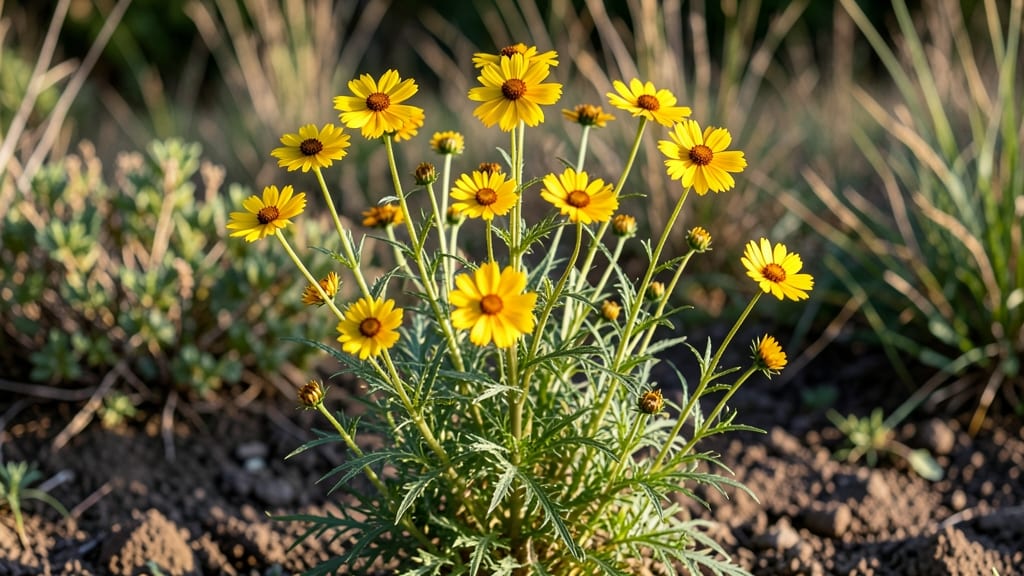
Coreopsis blooms in early to mid-summer 🌼, transforming your garden into a golden-yellow explosion—but timing isn’t just about the calendar.
Picture this: you’ve planted your coreopsis in March or April, watered it faithfully, and now you’re waiting for those cheerful blooms. But why does your neighbor’s plant burst into color weeks earlier?
The answer lies in your USDA zone, the variety you chose, and a few simple tricks to extend that bloom time.
For gardeners in Zone 6a, the first flush typically arrives in June, but with the right care—like deadheading spent blooms or choosing long-blooming varieties—you can coax a second wave of flowers into September.
Below, I’ll break down exactly how to time it right, from planting to pruning, so you get the longest possible show.
Whether you’re a first-time grower or a seasoned pro, these tips will help you turn your coreopsis into a year-round star with minimal effort. Let’s get started!
Coreopsis bloom time by USDA zone: first flush timing guide
If you're planning your garden's color palette, coreopsis bloom time is your secret weapon. This cheerful perennial delivers bright yellow, pink, and red blooms that attract pollinators while thriving in drought conditions.
But timing matters—plant too early or late, and you might miss the first flush of flowers entirely. Let's break down when to expect those showstopping blooms based on your USDA zone.
The first flush of coreopsis blooms typically arrives between late spring and early summer, but exact timing shifts dramatically across regions. In warmer southern zones, you might see buds opening as early as April, while gardeners in cooler northern climates may wait until June.
Understanding these variations helps you time plantings strategically for maximum impact.
Here’s how to predict when your coreopsis will burst into color based on your USDA zone, plus tips to extend the blooming season with simple adjustments.
In USDA zones 3-5, where winters are harsh, coreopsis often waits until mid-June to early July for its first flush. This delay gives the plant time to establish roots before flowering.
To encourage earlier blooms, plant cold-hardy varieties like 'Moonbeam' in late April or May, once the soil warms to 60°F. These varieties are bred to handle cooler temperatures while still delivering vibrant color.
Gardeners in zones 6-7 enjoy the best of both worlds, with first blooms arriving as early as late May. This timing aligns perfectly with spring pollinator activity, making coreopsis a beacon for bees and butterflies.
For extended blooming, plant in March to early April and deadhead spent flowers regularly. This simple task tricks the plant into producing more buds instead of setting seed.
Warmer climates in zones 8-9 see coreopsis bloom as early as April, but summer heat can shorten the season if not managed. To delay heat stress, plant in February to March and place your coreopsis in partial shade during peak afternoon sun.
This shade protection keeps foliage lush and encourages a second flush of blooms in fall.
In zone 10, where winters are mild, coreopsis can bloom as early as March. However, year-round warmth can cause the plant to bolt prematurely or produce smaller flowers.
To maintain consistent blooming, plant in January to February and use 30% shade cloth during peak summer months. This light shade prevents the plant from overheating while still allowing enough sunlight for photosynthesis.
No matter your zone, soil preparation plays a key role in timing and duration of blooms. Coreopsis thrives in well-draining soil with a slightly acidic to neutral pH (6.0-7.0).
Amend heavy clay soils with compost or sand to improve drainage, and avoid over-fertilizing with nitrogen, which promotes leafy growth over flowers. Instead, use a balanced 5-10-10 fertilizer in early spring to support bloom production.
For extended seasonal interest, pair coreopsis with complementary perennials like black-eyed Susans or coneflowers, which share similar sun and soil requirements. This layered planting strategy ensures your garden stays colorful from late spring through fall, even if individual plants finish blooming.
With the right zone-specific timing and care, your coreopsis can deliver months of cheerful color with minimal effort.
Ready to plan your coreopsis planting? Start by checking your USDA zone and adjusting your timeline based on the first bloom windows above.
Whether you're in a cool northern climate or a warm southern region, these tips will help you maximize your coreopsis blooms and keep your garden bursting with color all season.
How to encourage a second coreopsis bloom: pruning & care tips
Coreopsis thrives on sunlight and minimal intervention, but with the right techniques, you can coax a stunning second bloom cycle from your plants.
Most varieties produce their first flush of bright yellow or pink blooms in early summer, but with proper care, they'll often reward you with a second round in late summer or early fall.
To trigger that second bloom, focus on three key areas: deadheading, seasonal pruning, and nutrient management. Each step plays a crucial role in signaling your coreopsis to produce new flowers instead of focusing on seed production. Let's break down the exact timing and methods for each.
🌼 Coreopsis Bloom Time Tip
Optimal second bloom timing: Late July to early August is the sweet spot for encouraging a second flush. Look for buds forming on new growth—this is your coreopsis preparing for round two! In warmer climates (zones 8-10), this may happen as early as June, while cooler zones (3-6) might see it extend into September.
Start with deadheading as soon as your first blooms fade. Use clean, sharp pruning shears to snip spent flowers just above the next set of leaves. This removes the seed heads that would otherwise signal the plant to stop flowering.
I recommend doing this every 2-3 days during peak bloom to keep your coreopsis producing fresh flowers.
For seasonal pruning, wait until after your first major bloom cycle ends. Cut back the entire plant by one-third to encourage bushier growth and more flowering stems.
This is especially important for tall varieties like 'Sunray' that can become leggy. Time this pruning for mid-July in most regions—just as the first flush winds down.
Don't forget about soil nutrition—coreopsis responds well to a balanced fertilizer like 5-10-10 applied in early summer. I use about 1 tablespoon per plant mixed into the soil, followed by a light watering.
For container-grown coreopsis, use half-strength fertilizer every 4-6 weeks. Avoid heavy nitrogen fertilizers—they promote leafy growth at the expense of flowers.
Finally, maintain consistent moisture without overwatering. Coreopsis is drought-tolerant, but consistent watering encourages stronger stems and more blooms. Water deeply in the morning to prevent fungal issues, and always ensure your plants have well-draining soil.
Mulch around the base with 2-3 inches of organic mulch to retain moisture and regulate soil temperature.
With these techniques, your coreopsis should reward you with a second spectacular bloom that extends your garden's color well into fall. The key is staying attentive—regular checks for new buds and prompt deadheading will make all the difference! 🌻