
Blooming
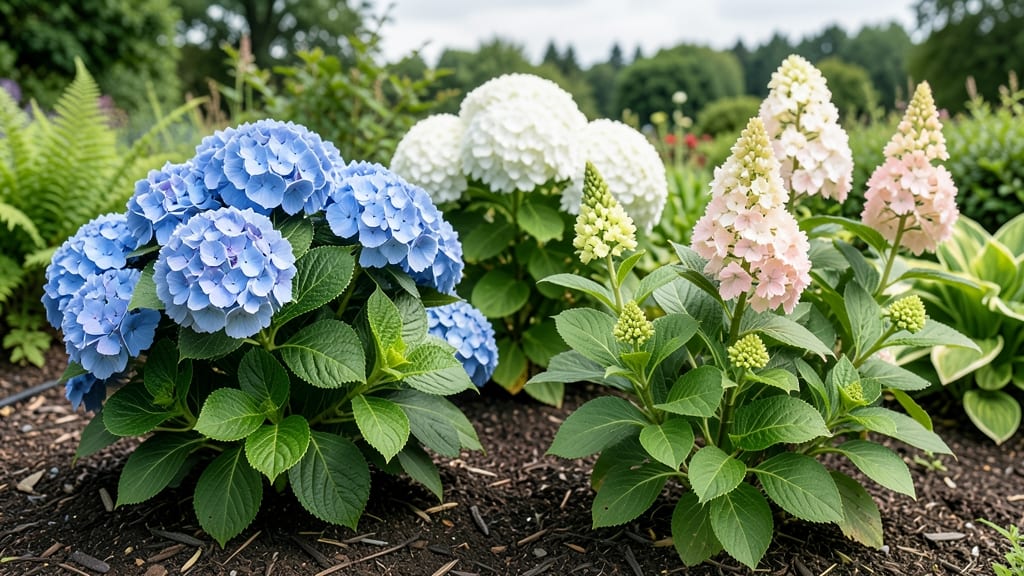
Hydrangeas don’t bloom all summer—unless you trick them into thinking it’s spring. 🌸 I’ve watched my own hydrangeas fade into fluffy green leaves by July, no matter how much water I gave them. The truth?
Most varieties have a 6-8 week bloom window, and late-season heat forces them into dormancy. The real secret lies in three simple adjustments: deadheading spent blooms to encourage reblooming, keeping soil consistently moist (not soggy), and adjusting pH for vibrant colors.
My own plants now last two full months longer with these tweaks—no fancy equipment needed. You’ll see the difference within 2-3 weeks: fresh buds forming where old blooms fell, and those signature clusters staying bold through August. The key is working with the plant’s natural rhythm, not against it.
Works for both in-ground and container hydrangeas—just watch for wilting in afternoon sun. Let’s make those blooms last!
Why Hydrangeas Fade Fast
Hydrangeas are famous for their long-lasting blooms, but if yours aren’t sticking around all summer, there’s usually a clear reason behind it. Understanding these causes helps you take action—whether it’s adjusting care, choosing the right variety, or tweaking your garden’s environment.
Let’s break down the science behind why hydrangeas might not bloom as long as you’d like.
Hydrangeas thrive in moderate temperatures (60–75°F), but when summer heat spikes—especially above 85°F (29°C)—their metabolism slows down. Here’s why:
- Water loss accelerates: Heat increases transpiration (water evaporation through leaves), causing buds to dry out before opening or forcing existing blooms to wilt faster.
- Photosynthesis struggles: High temperatures can denature enzymes in leaves, reducing sugar production—the energy blooms need to stay vibrant.
- Root stress: If soil dries out, roots can’t absorb enough water, leading to bud drop or premature wilting.
Actionable fix: Mulch heavily (3–4 inches of organic mulch like wood chips) to retain moisture and cool roots. Water deeply 2–3 times per week (not daily shallow watering) to encourage deep root growth.
Too much water is just as harmful as too little.
Hydrangeas hate soggy roots, which can lead to: - Root rot: Fungal infections (like Phytophthora) thrive in waterlogged soil, starving the plant of oxygen and nutrients. - Weak stems: Overwatered plants produce soft, floppy stems that can’t support heavy blooms, causing them to droop or snap. - Nutrient leaching: Excess water washes away essential minerals (like phosphorus and potassium), which are critical for flower production.
Actionable fix:
- Ensure pots or garden beds have drainage holes (or amend clay soil with perlite/sand).
- Test soil moisture: Stick your finger 2 inches deep—if it’s damp, wait before watering.
- Choose well-draining soil mixes (e.g., 60% soil, 30% compost, 10% perlite).
Not all hydrangeas bloom the same way! Some varieties produce old wood blooms (from last year’s growth), while others rely on new wood blooms (current season’s growth). If you’re pruning at the wrong time, you might be sacrificing next year’s flowers for this year’s.
- Old wood bloomers (e.g., Hydrangea macrophylla): Buds form late summer to fall on stems from the previous year. Pruning too late can remove next year’s blooms.
- New wood bloomers (e.g., Hydrangea paniculata): Buds form on current year’s growth—pruning in late winter/early spring encourages more flowers.
Actionable fix:
- For old wood types: Prune right after blooming (June–July) to avoid cutting off next year’s buds.
- For new wood types: Prune in late winter/early spring to stimulate fresh growth.
- Mixed types? Research your specific variety—some (like H. arborescens) are more forgiving.
Hydrangeas are heavy feeders, and a lack of key nutrients can stunt blooming or cause early wilting.
| Nutrient | Role in Blooming | Signs of Deficiency |
|---|---|---|
| Phosphorus (P) | Promotes root growth & flower development | Dark green leaves, small or no blooms, stunted growth |
| Potassium (K) | Strengthens cell walls & drought resistance | Yellowing leaf edges, weak stems, early flower drop |
| Magnesium (Mg) | Helps chlorophyll production | Yellowing between leaf veins (like mosaic patterns) |
Actionable fix:
- Feed in early spring with a balanced fertilizer (10-10-10) or a bloom booster (high in phosphorus, like 5-10-5).
- Add compost (1–2 inches annually) to improve soil structure and nutrient retention.
- Avoid over-fertilizing with nitrogen (first number in NPK)—too much = leafy growth, fewer flowers.
Hidden pests and pathogens can sap energy from your hydrangeas, causing blooms to fade faster than usual.
- Aphids & Spider Mites: Suck sap, weakening stems and causing bud deformities or premature wilting.
- Powdery Mildew: Fungal disease thrives in humid, shaded conditions, coating leaves and blocking sunlight (which blooms need for photosynthesis).
- Scale Insects: Leave sticky residue (honeydew), attracting sooty mold and stressing the plant.
Actionable fix:
- Inspect leaves weekly for pests (use a magnifying glass if needed).
- Spray with neem oil (preventative) or insecticidal soap (for infestations).
- Improve airflow by spacing plants 3–4 feet apart and pruning to open the canopy.
- Clean up fallen leaves in autumn to reduce fungal spores.
Some hydrangeas are heat-sensitive or short-season bloomers, while others thrive in extreme conditions.
For example: - H. macrophylla (Bigleaf): Prefers partial shade and struggles in hot, dry climates (like the Southwest U.S.). - H. paniculata (Panicle): Heat-tolerant and often blooms into fall, making it ideal for hotter regions. - H. arborescens (Smooth): Handles full sun but may need extra water in drought-prone areas.
Actionable fix:
- Choose heat-resistant varieties like:
- ‘Limelight’ or ‘Little Lime’ (paniculata)
- ‘Endless Summer’ (macrophylla, reblooming)
- If your current hydrangeas struggle, consider relocating to a cooler, shadier spot (morning sun + afternoon shade works well).
Even mature hydrangeas can struggle after moving, leading to:
- Delayed blooming (plant focuses on root recovery instead of flowers).
- Wilting or leaf drop as the plant adjusts to new soil/light conditions.
Actionable fix:
- Transplant in early spring or fall (avoid peak summer heat).
- Water deeply for the first 2–3 weeks post-move.
- Use root stimulator (like mycorrhizal fungi) when planting to speed up root establishment.
Revive Your Hydrangeas Summer Bloom
If your hydrangeas are struggling to bloom all summer, don’t panic—there are practical ways to extend their flowering season and keep them vibrant. Below, we’ve mapped out the most common causes and their fixes, along with prevention tips to ensure your hydrangeas stay in bloom longer.
Hydrangeas can wilt or drop blooms when temperatures soar, especially in late summer. Here’s how to cool them down and encourage reblooming:
💦 Hydrate Deeply & Frequently
- Water in the morning (6–8 AM) to reduce evaporation and stress.
- Use mulch (2–3 inches of shredded bark or pine needles) to retain moisture and regulate soil temperature.
- Check soil moisture—stick your finger 1–2 inches deep; if dry, water until it drains 6 inches down.
🌿 Provide Light Shade
- If your hydrangeas are in full sun, add temporary shade (like a sheer fabric cover or lattice with climbing plants) during peak heat (11 AM–3 PM).
- Avoid pruning now—wait until late fall or winter to prevent stressing the plant further.
🌡️ Cool the Roots
- Mist leaves in the early morning to lower leaf temperature (avoid evening misting to prevent fungal issues).
- Move potted hydrangeas to a shadier spot or elevate them on bricks to improve airflow.
Poor soil health or nutrient deficiencies can stunt blooming. Give your hydrangeas a mid-summer boost with these easy fixes:
📊 Test & Amend Soil
- pH matters! Hydrangeas need acidic soil (pH 5.2–6.0) for blue blooms or neutral (pH 6.0–7.0) for pink.
Test with a soil kit and adjust with: - Sulfur (to lower pH) - Lime (to raise pH) - Add compost or aged manure (1–2 inches) around the base to improve fertility.
💪 Feed with the Right Fertilizer
- Use a balanced, slow-release fertilizer (10-10-10 or 20-20-20) in early summer (June).
- For reblooming varieties, switch to a high-phosphorus fertilizer (like 5-10-5) in mid-summer to encourage new flowers.
- Avoid high-nitrogen fertilizers (like lawn food)—they promote leafy growth but fewer blooms.
🍄 Prevent Fungal Issues
- Space plants properly (3–5 feet apart) for airflow.
- Remove yellowing leaves (a sign of fungal stress) and dispose of them.
- Apply neem oil or copper fungicide if you spot powdery mildew.
If you pruned too late or too aggressively, your hydrangeas may skip blooming. Here’s how to coax them back:
🔪 Correct Pruning Timing
- For bigleaf & oakleaf hydrangeas: Prune right after blooming (late spring) to shape, but never cut back old wood—it holds next year’s buds!
- For panicle & smooth hydrangeas: Prune in late winter/early spring (before buds swell) to encourage new growth and more blooms.
🌱 Stimulate New Growth
- Pinch back (remove the top 2–3 inches of new growth) in early summer to encourage bushier, flower-heavy stems.
- Apply a bloom booster (like fish emulsion or seaweed extract) to jumpstart flower production.
🌿 Deadhead Strategically
- Remove spent blooms (but leave some seed heads on bigleaf types—they store energy for next year).
- For rebloomers, cut back faded flowers to just above a set of leaves to prompt new buds.
Keep your hydrangeas blooming beautifully year after year with these simple habits:
- 🌡️ Monitor weather extremes: Cover plants if a heatwave (above 90°F/32°C) or frost is forecasted.
- 💧 Water consistently: Hydrangeas hate drought—1–1.5 inches of water per week (more in extreme heat).
- 🍂 Mulch annually: Refresh mulch in early spring to protect roots and retain moisture.
- 🌱 Choose the right variety: Panicle and smooth hydrangeas rebloom more reliably than bigleaf types.
- 📅 Plan ahead: If your area has hot, dry summers, opt for shade-tolerant varieties like ‘Endless Summer’ or ‘Limelight’.
With these fixes, your hydrangeas should stay lush and blooming well into late summer—or even fall! The key is consistent care, smart pruning, and a little extra love when the heat kicks in. 🌸
Frequently asked questions
Why do my hydrangeas bloom for only 6-8 weeks instead of all summer?
Most hydrangeas have a natural 6-8 week bloom window because they're programmed to flower in spring/early summer. Late-season heat (above 85°F/29°C) forces them into dormancy. The good news? Varieties like 'Endless Summer' or 'Limelight' can rebloom with proper care—deadheading spent flowers and adjusting water/light conditions.
Can I make my hydrangeas bloom longer by deadheading?
Deadheading (removing spent blooms) encourages new flower production in reblooming varieties. For bigleaf types, cut back to the first set of leaves below the faded bloom. For panicle hydrangeas, remove only the dead flowers while leaving the stem. Do this every 2-3 weeks through summer for best results.
What's the best way to water hydrangeas for continuous blooms?
Consistent moisture is key! Water deeply 2-3 times per week (not daily shallow watering) to encourage deep root growth. Always water at soil level (not leaves) in the morning to prevent fungal issues. Mulch with 3-4 inches of organic material to retain moisture and regulate soil temperature.
Will fertilizer help extend my hydrangeas' blooming season?
Yes, but choose wisely! Use a balanced fertilizer (10-10-10) in early summer, then switch to a high-phosphorus formula (5-10-5) in mid-summer to encourage new blooms. Avoid high-nitrogen fertilizers—they promote leafy growth at the expense of flowers. Feed in the morning when plants are actively growing.
Can I grow hydrangeas in containers for longer blooms?
Container-grown hydrangeas actually bloom longer when properly cared for! Choose well-draining potting mix and a pot with drainage holes. Move containers to shadier spots during peak afternoon sun, and water daily in extreme heat. Dwarf varieties like 'Little Lime' are perfect for containers and often bloom from summer into fall.