
Blooming
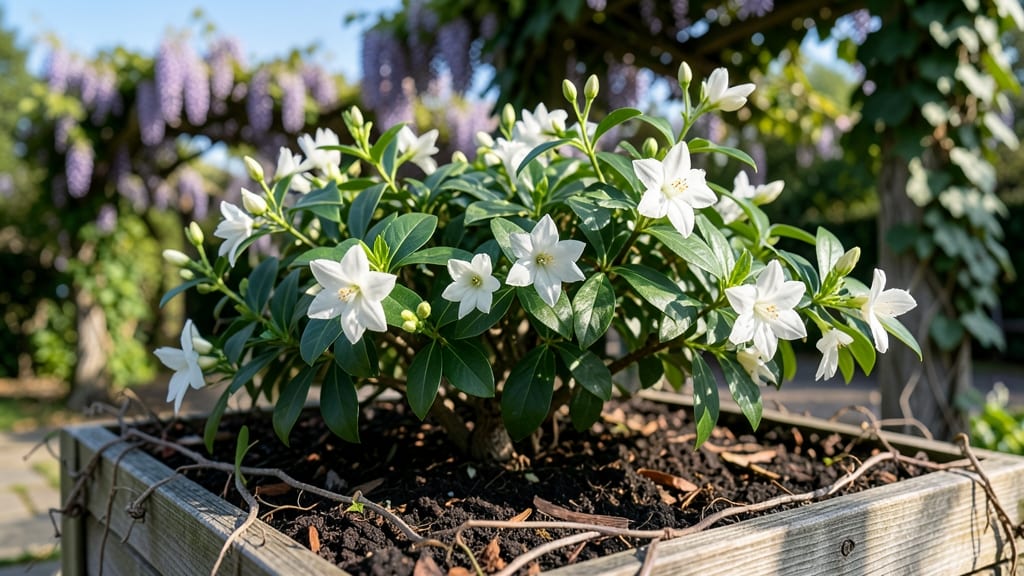
Jasmine blooms in Florida typically between April and June, with some varieties like Arabian jasmine extending into fall. Warm temperatures and humidity trigger flowering, while cooler nights enhance fragrance intensity.
Florida’s climate creates perfect conditions for jasmine to thrive, but timing varies by variety. 🌸 Most common types like Arabian jasmine and Star jasmine peak in spring, while Yellow jasmine often blooms slightly later into early summer.
Coastal areas tend to see earlier blooms due to milder winters, while inland regions may experience delayed flowering until late May or June. The key to maximizing fragrance is maintaining consistent moisture without overwatering—jasmine hates soggy roots but loves humidity.
What many gardeners don’t realize is that jasmine’s scent actually intensifies after dark. 🌙 The cooler evening temperatures trigger higher volatile oil production in the flowers, making nighttime the best time to enjoy their fragrance.
If you’re growing jasmine in Florida, I recommend planting near patios or windows where you can appreciate those late-night blooms—just be prepared for the bees to join the party!
💡 In This Article
- Florida Jasmine Blooming Seasons by Variety
- Optimizing Jasmine Growth for Peak Florida Blooms
Florida jasmine blooming seasons by variety
Florida's diverse climate creates distinct bloom windows for different jasmine varieties. Arabian jasmine (Jasminum sambac), often called the "queen of jasmine," typically blooms from mid-April to early June, with occasional fall blooms if temperatures stay above 65°F.
This variety thrives in Florida's coastal regions where winter lows rarely drop below 40°F, allowing for earlier and more prolonged flowering compared to inland areas.
For Star jasmine (Trachelospermum jasminoides), the bloom period extends from late May through July, with some late blooms in September.
This evergreen vine handles Florida's heat better than most, making it a favorite for trellises and fences. Yellow jasmine (Jasminum officinale) follows a similar schedule but often blooms slightly later, from June to August, due to its slightly higher heat tolerance and preference for well-drained soil.
The Pink jasmine (Jasminum polyanthum) variety presents a unique pattern, blooming primarily in late spring (May-June) with a secondary flush in September-October if given proper care. This dual-blooming habit makes it particularly rewarding for Florida gardeners who want year-round fragrance.
The key difference between coastal and inland blooms lies in temperature consistency—coastal areas provide more stable conditions, while inland regions experience wider temperature swings that can delay flowering by 2-3 weeks.
What's fascinating about jasmine blooming patterns is how they're triggered by specific temperature thresholds. Most varieties require daytime temperatures above 75°F and nighttime temperatures between 60-70°F to initiate flowering. Florida's summer heat provides ample daytime warmth, but the critical factor is maintaining those cooler evenings.
In South Florida, where humidity often exceeds 80%, jasmine blooms may appear 2-4 weeks earlier than in North Florida due to the longer growing season.
For gardeners looking to extend their jasmine's bloom season, understanding these variety-specific patterns is crucial. For example, while Arabian jasmine may finish its primary bloom by July, strategic pruning after the first flush can encourage a secondary bloom in September-October.
The trade-off is slightly smaller flowers, but the extended fragrance makes it worthwhile. 🌿
One often-overlooked factor is how jasmine responds to Florida's occasional cold snaps. While most varieties are hardy to 20°F, temperatures below 30°F can damage new growth and delay spring blooming.
In Central Florida, where cold fronts occasionally dip into the 20s°F, gardeners should protect their jasmine plants with frost cloth or mulch to ensure robust blooming the following season.
The fragrance intensity also varies by variety and bloom time. Early spring blooms tend to be more delicate in scent, while summer blooms develop stronger, more complex aromas due to the higher volatile oil production triggered by Florida's intense sunlight and humidity.
This is why Arabian jasmine grown in South Florida often produces the most potent fragrance—its extended growing season allows for continuous oil development in the flowers.