
Blooming
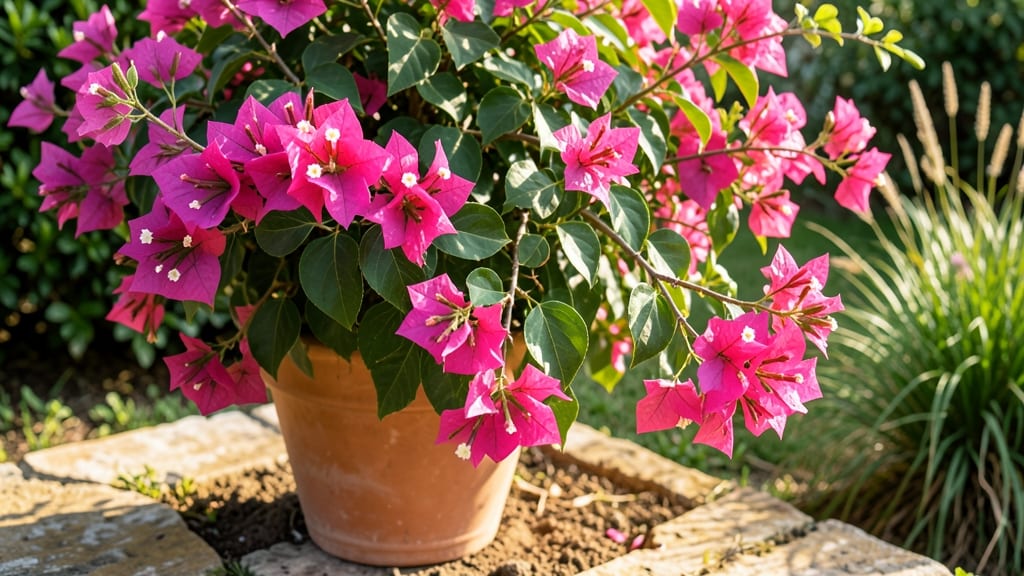
Bougainvillea blooms in Florida when temperatures climb above 85°F—a heat-triggered cycle that turns your yard into a riot of color from late spring through fall.
If you’ve ever wondered why your 🌸 bougainvillea’s vibrant blooms seem to vanish and reappear like clockwork in Florida’s sweltering heat, the answer lies in its unique heat-triggered flowering cycle—one that’s heavily influenced by variety, climate, and seasonal shifts.
Most Florida varieties, like ‘San Diego Red’ or ‘Thunderbird,’ kick off their show in May or June, but cooler coastal areas might see a delayed start. The key? Pruning at the right time—right after blooms fade—to encourage fresh growth that’ll burst into color when the heat ramps up.
In this guide, I’ll break down the exact months your bougainvillea will shine, how to time pruning for maximum blooms, and simple tricks to extend that seasonal spectacle—because in Florida, your 🌸 bougainvillea shouldn’t take a summer vacation.
Bougainvillea bloom seasons in Florida: heat-triggered months by variety
Florida’s bougainvillea varieties burst into bloom when temperatures consistently hit 85°F+, but the exact timing depends on the cultivar. Unlike many plants, bougainvillea responds to heat stress rather than cool seasons, making Florida’s long, hot summers perfect for continuous flowering.
The key is understanding each variety’s heat threshold and seasonal triggers—some bloom year-round, while others have distinct flushes tied to Florida’s dry season (November–April).
Most bougainvilleas in Florida show their first major bloom flush in late winter or early spring (February–March), just as daytime highs creep toward 80°F. This initial burst is often followed by a summer-long display if temperatures stay warm.
However, varieties like ‘Thunderbird’ or ‘California Gold’ may produce a second flush in fall when cooler nights return, though color intensity often fades without consistent heat.
🌡️ Temperature is the #1 trigger: Bougainvillea blooms form on new growth, which thrives when days are hot but nights stay above 65°F. Florida’s USDA Zones 9a–11 provide ideal conditions, but even slight dips below 60°F can stall flowering. Pruning at the wrong time—like after a cold snap—can also reset the plant’s cycle, delaying blooms by weeks.
Here’s how Florida’s most popular varieties align with heat-triggered bloom windows, including their peak months and secondary flushes:
Notice how ‘Thunderbird’ skips summer blooms entirely—this is because its heat threshold is higher (90°F+) and Florida’s summer humidity can stress it without proper airflow. Meanwhile, ‘Vera’ is the exception, blooming lightly even in mild winters (Zone 9a), thanks to its cold tolerance.
For most varieties, pruning in late winter (January–February) just before the first 85°F+ days encourages the earliest spring flush.
Florida’s dry season (November–April) is critical for bougainvillea because reduced rainfall mimics mild drought stress, a natural trigger for blooming. In South Florida (Zone 10a–11), where winters are barely cooler, varieties like ‘San Diego Red’ may bloom year-round if given consistent care.
However, in North Florida (Zone 9a), expect a 2–3 month dormant period in winter when temperatures dip below 65°F at night.
Pro tip: If your bougainvillea’s blooms fade mid-summer, it’s often due to overwatering or lack of sunlight. Let the soil dry between waterings and ensure it gets 6+ hours of direct sun daily. A light pruning in late summer (August–September) can also stimulate a fall flush before cooler weather sets in.
For container-grown bougainvillea in Florida, move pots to sheltered locations during cold snaps (below 50°F) to protect roots. Even heat-loving varieties like ‘Thunderbird’ can suffer if roots freeze. Mulching with gravel or bark
How Florida’s climate affects bougainvillea blooming: pruning, water, and stress triggers
Florida’s year-round warmth makes bougainvillea a star performer, but understanding how heat, humidity, and pruning interact is key to unlocking nonstop blooms. Unlike temperate climates, bougainvillea in Florida responds to stress triggers—like drought and pruning—that stimulate flowering. The trick? Mimic nature’s cues without overdoing it.
Most Florida bougainvillea varieties bloom in spring and summer, but the intensity depends on how you manage water stress and pruning timing. For example, the ‘Thunderbird’ variety thrives with dry spells between waterings, while ‘California Gold’ needs slightly more moisture to maintain vibrant yellow bracts.
Humidity also plays a role—high humidity can dilute color intensity, so well-draining soil and airflow are critical.
⚠️ callout warning
Overwatering in Florida’s heat suffocates roots and triggers leaf drop, not blooms. Bougainvillea is drought-tolerant—water deeply every 5-7 days in summer, then reduce to every 10-14 days in winter. Over-pruning in late winter removes next season’s blooms. Prune only after blooming (spring/summer) to encourage new growth.
Ignoring humidity leads to pale, weak blooms. Space plants 3-4 feet apart for airflow and use gravelly soil to prevent root rot. High humidity + poor drainage = fungal issues that kill blooms before they open.
Timing your pruning is everything. In Florida, the best time to prune is right after blooming (late spring/early summer) to shape the plant and encourage new growth for fall blooms. Avoid heavy pruning in late winter—this removes flower buds already forming for spring.
Instead, do a light trim in February to remove dead wood and open the canopy for sunlight.
Drought stress is your friend—withhold water for 2-3 weeks before expected blooming periods to trigger flower production. This works best in spring and fall, when temperatures are warm but not extreme.
For example, if you want summer blooms, reduce watering in late May to shock the plant into flowering. Just don’t let it wilt completely!
Humidity levels in Florida can dilute bloom colors, especially in coastal areas. To combat this, use well-draining cactus/succulent mixes and avoid mulching too heavily. Container-grown bougainvillea often produces brighter blooms because you control moisture levels.
If your plant’s colors look washed out, it’s time to adjust watering or move it to a slightly drier microclimate.
Pro tip: Fertilize lightly with a low-nitrogen, high-phosphorus blend (like 7-7-7) in spring and fall to support blooming. Avoid heavy feeding in summer—too much nitrogen promotes leafy growth at the expense of flowers. And always water before fertilizing to prevent root burn in Florida’s intense sun.