
Blooming
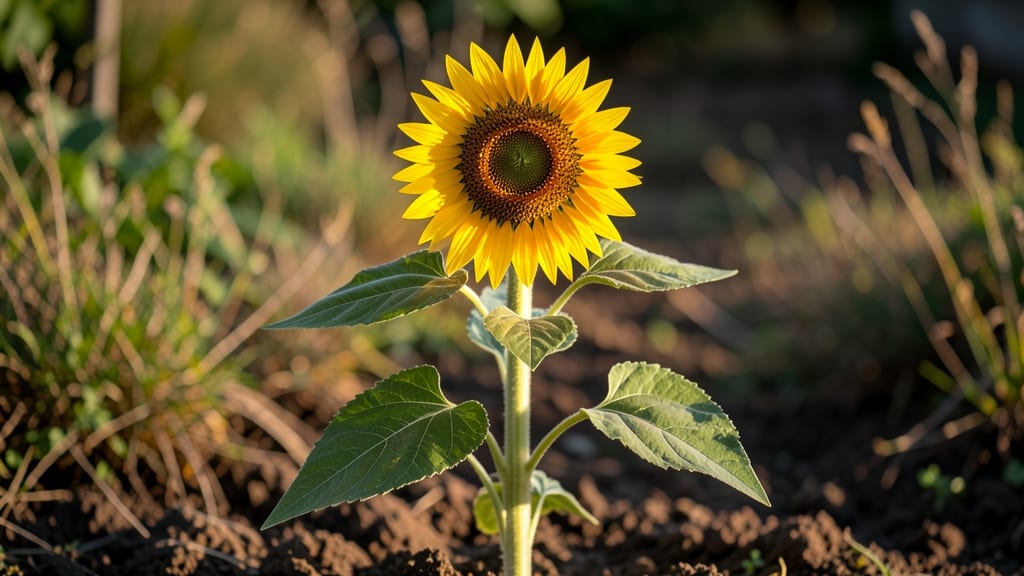
Sunflowers in Texas bloom between late May and October, depending on when you plant and your heat zone — but getting the timing right means the difference between a garden full of golden 🌻 faces and a sad, wilted disappointment.
If you’ve ever planted sunflowers in Texas only to watch them bolt in the heat or freeze under a late frost, you’re not alone.
The key is knowing your USDA zone and variety — giant sunflowers like 'Mammoth' need cooler starts, while heat-loving 'Autumn Beauty' thrives when planted in March for a summer-long show.
Below, I break down the exact bloom windows by Texas region, from North Texas’s cooler springs to South Texas’s early starts, plus how to stretch your sunflower season with simple tricks like succession planting and deadheading.
You’ll leave here with a planting calendar tailored to your zone, the best varieties for your garden size, and pro tips to keep those blooms coming until fall — no guesswork, just golden results.
Sunflower blooming timeline in Texas by heat Zone (USDA 7-10)
Texas gardeners know sunflowers thrive in our long, hot summers, but blooming times vary dramatically by USDA heat zone and variety.
In USDA Zone 7 (North Texas), cooler springs delay blooms until late June or July, while Zone 10 (South Texas) can see flowers as early as April or May.
Daylight length also plays a role—sunflowers need 12+ hours of light to trigger flowering, which happens naturally in Texas by late spring.
Temperature matters too: 'Mammoth' varieties may bolt (flower too early) in Zone 9-10 heat if planted in February, while 'Teddy Bear' dwarf types bloom later but handle 100°F+ temperatures better. Let’s break down the exact month-by-month blooming windows for Texas’ most popular varieties across all heat zones.
🌻 Key Insight: Planting in March-April gives most Texas zones a 3-4 month bloom window, but succession planting can stretch this to June-October. Below is your heat zone-specific timeline with actionable planting dates.
In USDA Zone 7 (North Texas), where last frost dates range from February 15-March 15, plant 'Mammoth' varieties in late March for blooms by mid-July. The longer daylight of summer triggers flowering, but high humidity can cause powdery mildew—space plants 18-24 inches apart for airflow.
For Zone 8-9 (Central Texas), April planting yields blooms by June, while May plantings flower in July-August. 'Autumn Beauty' varieties excel here, offering multi-colored blooms that last until October. Use black plastic mulch to warm soil faster and speed up germination in cooler springs.
South Texas (Zone 10) gardeners can start seeds as early as February, with 'ProCut' varieties blooming by May. The longer growing season (up to 300 frost-free days) allows for two planting cycles: February-March and July-August for fall blooms.
However, extreme heat (>105°F) can stress plantsafternoon shade with 30% shade cloth if needed.
Pro tip: Deadhead spent blooms to encourage secondary blooms on 'Autumn Beauty' types. In Zone 7, this can extend your golden display until early October. For dwarf varieties like 'Teddy Bear', container growing works well—place pots on patios or balconies to catch rainwater and reduce watering.
Remember, soil temperature matters more than air temperature. Sunflowers need soil at 60°F+ to germinate. Use a soil thermometer in Zone 7 to avoid slow starts in March. In Zone 10, direct sow in February for earlier blooms, but protect seedlings from
Best sunflower varieties for Texas gardens and their bloom windows
Choosing the right sunflower variety for your Texas garden means balancing bloom timing, heat tolerance, and garden space. Texas’s USDA zones 8a–10b offer long growing seasons, but some varieties thrive better in North Texas’s cooler springs, while others dominate South Texas’s extended summers.
Here are my top 6 sunflower varieties that perform exceptionally well in Texas, complete with their bloom windows and care tips.
For commercial growers or those with limited space, 'ProCut' and 'Russian Giant' are game-changers. Meanwhile, home gardeners will love the dwarf varieties like 'Teddy Bear' for containers or borders. Each variety’s bloom duration varies—some last just 2–3 weeks, while others stretch into 4–6 weeks with proper care.
Let’s dive into the details so you can pick the perfect sunflower for your Texas garden.
🌻 Texas Sunflower Variety Comparison
If you’re in North Texas (USDA 8a–8b), prioritize planting 'Mammoth Russian' or 'Autumn Beauty' in March–April for summer blooms. These varieties handle late spring frosts better than others and reward you with towering stems and long bloom durations.
For South Texas (USDA 9a–10b), you can push planting back to February and enjoy blooms from June through October.
The 'Teddy Bear' variety is my go-to for small spaces or container gardens—it blooms reliably in June–August and thrives even in drought conditions. Its compact size makes it perfect for balconies or mixed borders. For commercial growers, 'ProCut' is unbeatable—its long,