
Blooming
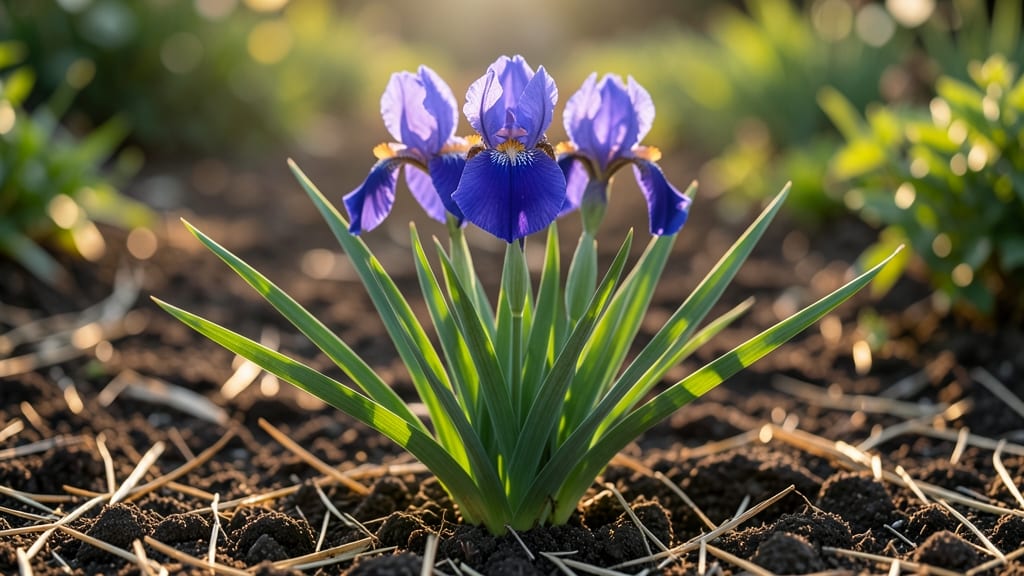
Irises bloom in Texas when the heat triggers their growth, typically between February and May in most regions, but timing shifts dramatically depending on your zone and variety.
Texas gardeners know timing is everything—especially when it comes to irises, which burst into color at different times depending on heat zones and varieties. Get your planting schedule right, and you’ll enjoy vibrant blooms from early spring to late summer.
In North Texas (Zone 8a), expect Louisiana irises to open in late February, while German irises may wait until April. Down in South Texas (Zone 10b), some varieties bloom as early as January or stretch into June.
Below, I break down exact bloom windows by region, the best varieties for your heat zone, and simple tricks to coax earlier or later flowers—so you can plan your garden’s 🌸 showstopper moments.
Texas Iris bloom seasons by hardiness Zone: exact months for each region
Texas irises thrive in the Lone Star State's diverse climate, but their bloom timing varies dramatically from North Texas' cooler zones to South Texas' intense heat. Understanding these differences helps you select varieties that align with your USDA hardiness zone and create a garden with year-round color.
Early spring bloomers like Iris germanica often appear first, while Louisiana irises may wait until late summer.
Heat plays a critical role in iris blooming. In Zone 6, where winters can drop below 10°F, irises often bloom in March or April after escaping dormancy.
Meanwhile, Zone 10 gardens in South Texas may see Iris hexagona flowering as early as February or even January in mild winters. The key is matching varieties to your local climate.
Here's a detailed breakdown of bloom seasons across Texas hardiness zones, including the most popular varieties for each region:
In Zone 6-7, gardeners should focus on Iris germanica varieties like 'Professor Bluestem' or 'Cadence,' which bloom reliably in March and April. These varieties need 6-8 weeks of winter chill to trigger flowering, making them perfect for North Texas' cooler winters.
Plant them in full sun with well-draining soil to encourage robust blooms.
Moving to Zone 8a, Central Texas gardeners enjoy a dual-blooming season with spring and fall flowers. The Louisiana iris ('Dixie' or 'Audrey') thrives here, offering purple and white blooms from February to March and again in August-September.
These varieties handle Central Texas' 90°F+ summers better than traditional bearded irises but still need regular watering during establishment.
For Zones 9b-10b, where summers are brutal, Iris hexagona (blue flag iris) becomes a standout performer. This native variety blooms in December-January and again in May-June, avoiding the peak heat. Plant it in partial shade and moist, well-draining soil to mimic its natural wetland habitat.
South Texas gardeners should also consider heat-tolerant cultivars of Iris germanica like 'Florence Sullivan' for late spring blooms.
Heat tolerance varies significantly between iris types. Louisiana irises and Pacific Coast irises handle Texas summers best, while Siberian irises struggle in Zones 9-10 due to their need for cooler temperatures.
Always check a variety's USDA zone range before planting—some labeled for Zones 3-9 may still perform poorly in South Texas' 100°F+ heat.
To extend bloom seasons, consider fall planting for varieties like Iris germanica, which often produce their first flowers the following spring. In Zones 8-10, mulching with 2-3 inches of organic matter helps retain moisture and cool roots during summer dormancy.
This simple trick can shift bloom timing by 2-4 weeks in some cases.
Remember that microclimates within Texas create additional variations. A North-facing slope in Austin may stay cooler than a South-facing bed, potentially shifting bloom times by 1-
Best Iris varieties for Texas heat: bloom timelines and care tips
Texas summers can be brutal, but some iris varieties thrive in the heat—especially Louisiana irises and Siberian irises. These hardy beauties offer stunning blooms while enduring temperatures that would wilt other flowers.
The key? Choosing the right type for your region and giving them the care they need to keep flowering through the season.
Unlike bearded irises, which prefer cooler climates, heat-loving varieties like Iris hexagona (Louisiana iris) and Iris lactea (Siberian iris) bloom later in the year, often from spring to early fall.
Their deep roots and drought tolerance make them perfect for Texas gardens, but they still need a few tricks to perform their best.
🌸 Top 5 Heat-Resistant Iris Varieties for Texas
- 1. Louisiana Iris (Iris hexagona) – Thrives in wet, humid climates; blooms April–June and sometimes again in fall. Loves full sun to partial shade.
- 2. Siberian Iris (Iris sibirica) – Drought-tolerant once established; blooms May–July. Prefers moist, well-draining soil and full sun.
- 3. Japanese Iris (Iris ensata) – Heat- and humidity-loving; blooms June–August. Thrives in pond edges or moist soil.
- 4. Rocky Mountain Iris (Iris missouriensis) – Drought-resistant; blooms late spring to early summer. Needs well-draining soil and full sun.
- 5. Bearded Iris (Iris germanica) – Best for North/Central Texas; blooms March–May. Needs well-draining soil and full sun.
To extend blooming in Texas heat, focus on soil moisture and mulching. Louisiana irises, for example, love wet feet but hate soggy soil—amend clay with compost to improve drainage. For Siberian irises, a 2-inch layer of mulch keeps roots cool and retains moisture during dry spells.
Deadheading spent blooms prolongs flowering and prevents seed formation, which drains energy. After blooming, feed with a low-nitrogen fertilizer (like 5-10-10) in early fall to build roots for next year’s blooms. Avoid high-nitrogen fertilizers—they encourage leafy growth at the expense of flowers.
If your irises struggle in 100°F+ heat, provide afternoon shade with a lightweight shade cloth (30–50% block). Water deeply once a week at the base—never overhead—to avoid fungal issues like leaf spot, which thrives in Texas humidity.
With the right variety and care, your Texas garden can burst with iris blooms from spring to fall. Start with Louisiana or Siberian irises for heat resistance, and don’t forget to divide clumps every 3–4 years to keep them vigorous. Happy gardening! 🌿