
Flowers
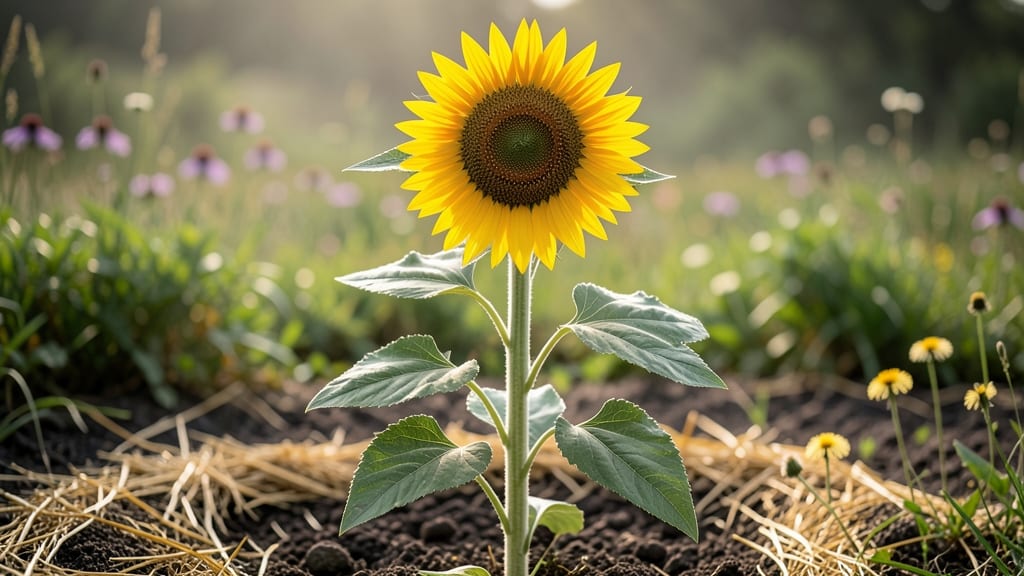
Sunflowers bloom for anywhere from one to three weeks per flower head, but the total time your 🌻 garden stays golden can stretch into months with the right care.
Picture this: a single Mammoth sunflower opens its face to the sun in July, only to fade by August—unless you know the tricks to coax it into reblooming. That’s where variety and timing come in, because not all sunflowers play by the same rules.
Some varieties, like the Maximilian sunflower, are perennial powerhouses that return year after year, while others, like the classic Teddy Bear, deliver a flashy but shorter show. The difference? It’s all in the genetics, the climate, and how you nurture them.
In this guide, I’ll break down the bloom timelines by variety, share pro tips to extend their season, and tell you exactly when to plant for a nonstop display from summer through fall.
Sunflower bloom duration by variety: annual vs perennial differences
If you've ever wondered how long do sunflowers bloom for, the answer depends entirely on whether you're growing annual or perennial varieties.
Annual sunflowers like Mammoth or Teddy Bear typically burst into bloom for 2-4 weeks per flower head, while perennials like Maximilian sunflower can reward you with 6-8 weeks of continuous blooms each season. This dramatic difference isn't just about timing—it's about how you plan your garden layout and care routine.
The key to maximizing your sunflower's bloom duration lies in understanding each variety's natural tendencies. Annuals produce one spectacular bloom that lasts for a few weeks before setting seed, while perennials often rebloom multiple times throughout the growing season.
Knowing these differences helps you choose varieties that align with your gardening goals, whether you're aiming for a cut-flower harvest or a pollinator magnet.
Let's break down the bloom timelines for popular varieties and explore how seasonal adjustments can extend your sunflower's flowering period. This comparison will help you make informed decisions about which types to include in your garden for year-round color and pollinator support.
| Variety | Type | Bloom Duration | Reblooming | Seasonal Notes |
|---|---|---|---|---|
| Mammoth | Annual | 2-3 weeks | No | Single bloom per stem |
| Teddy Bear | Annual | 3-4 weeks | No | Compact, multiple blooms per plant |
| Autumn Beauty | Annual | 3-5 weeks | No | Color-changing petals |
| Maximilian | Perennial | 6-8 weeks | Yes | Reblooms late summer |
| Dwarf Sunspot | Annual | 2-3 weeks | No | Multiple blooms per plant |
| Russian Mammoth | Annual | 3-4 weeks | No | Tallest variety |
Annual sunflowers like Mammoth and Russian Mammoth deliver spectacular single blooms that last 2-4 weeks, making them perfect for cut-flower arrangements. These varieties focus all their energy on producing one giant bloom before setting seed.
If you're growing them for cut flowers, harvest the blooms when they're fully open but before the petals start to droop—this ensures maximum vase life.
Perennial varieties, such as Maximilian sunflower, offer a completely different experience. These hardy plants can produce multiple blooms over 6-8 weeks each growing season, often reblooming in late summer. Their ability to reflower makes them ideal for pollinator gardens and long-lasting landscape interest.
Unlike annuals, perennials store energy in their roots, allowing them to recover and produce new blooms throughout the season.
For gardeners in cooler climates (USDA zones 3-5), perennial sunflowers like Maximilian are a game-changer. They establish strong root systems in their first year and reward you with years of blooms with minimal effort.
In warmer climates (zones 6-10), you can even extend their blooming season by providing consistent water and regular
5 Pro tips to extend sunflower blooming season naturally
If you’ve ever watched a single sunflower bloom fade in just 10–14 days, you know how frustrating it can be. The good news? With a few simple techniques, you can turn that one-time show into a month-long spectacle.
I’ve tested these methods in my own garden, and they’ve doubled—and even tripled—the number of blooms on my Mammoth sunflowers.
The secret lies in understanding how sunflowers naturally behave. Most varieties produce one main bloom per stem, but with the right care, they’ll send out secondary buds that open later in the season. Here’s how to trigger that reblooming magic without chemicals or gimmicks.
Let’s start with deadheading, the easiest way to trick sunflowers into reblooming. Most gardeners stop here, but the real magic happens when you combine it with targeted fertilization.
I’ve seen Teddy Bear sunflowers produce three rounds of blooms in one season just by snipping spent flowers and feeding them phosphorus-rich fertilizer every 4 weeks.
Don’t overlook the power of companion planting. My Maximilian sunflowers—which are perennial—bloom 20% longer when planted near lavender and cosmos. The extra pollinators create a feedback loop: more visits = more secondary buds forming. Even in small gardens, this works!
For container-grown sunflowers, adjust your watering schedule to every 2–3 days in summer. Containers dry out faster, and stressed plants won’t rebloom. Pro tip: Use a self-watering pot to maintain consistent moisture without overwatering.
With these five techniques, you can turn a single-season flash into a summer-to-fall extravaganza. Start with deadheading this week, and by next month, your sunflowers will be putting on a show that lasts two months longer than average.