
Blooming
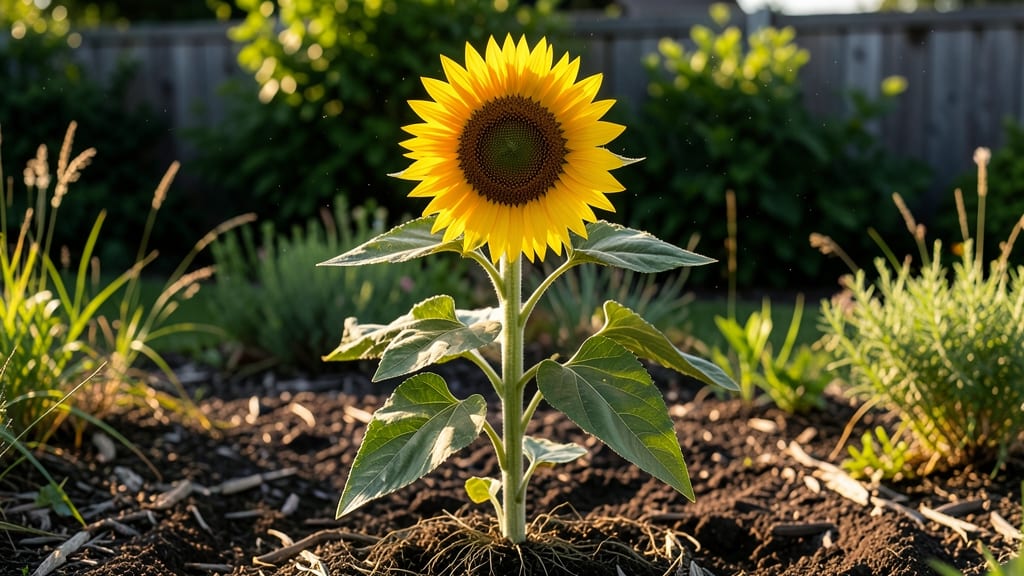
Sunflowers in Illinois bloom between mid-July and October 🌻, depending on when you plant and your USDA zone—with Zone 5b gardens often seeing flowers a week later than Zone 6b.
Picture this: you’ve waited all spring for those golden blooms, only to watch them arrive too late for summer picnics or too early for fall festivals. The timing depends on more than just the calendar—soil warmth, sunlight exposure, and even the variety you choose play a surprisingly big role.
Most sunflowers planted in Illinois’ April 15–June 15 window will start flowering by late July, but dwarf varieties can bloom as early as June if given ideal conditions. Meanwhile, giant 10-footers might not reach their peak until September, leaving you with a staggered show instead of one big burst.
In this guide, I’ll break down the exact bloom windows for common varieties, how to adjust for your zone, and the simple tweaks that can shift your sunflowers’ schedule by weeks—so you’re never left waiting.
Sunflower bloom timeline in Illinois by variety and USDA Zone
Timing your sunflower planting in Illinois’ USDA Zones 5-6 means capturing the 80-120 days these cheerful blooms need to reach their golden peak. The key? Start seeds after your last frost date (April 15) and choose varieties that thrive in your zone’s hot summers and crisp autumns.
Dwarf varieties bloom fastest, while giants need extra warmth—so let’s break down exactly when each type will light up your garden.
Your first frost typically arrives around October 15, giving you roughly 165 frost-free days to work with. Fast-blooming varieties like ‘Teddy Bear’ can reward you with color in as little as 50 days, while towering ‘Mammoth’ types may take up to 120 days.
Understanding these timelines helps you avoid planting too early (risking leggy, weak stems) or too late (missing summer’s peak display).
Here’s how to match your sunflower variety to Illinois’ growing seasons for maximum bloom impact:
| Variety | Height | Days to Bloom | Planting Window | Bloom Period | Zone 5 Notes |
|---|---|---|---|---|---|
| Dwarf ('Teddy Bear') | 1-3 ft | 50-60 days | April 20 - June 1 | July - August | Fastest bloomer; ideal for containers |
| Semi-Dwarf ('Moulin Rouge') | 3-6 ft | 60-75 days | April 25 - May 15 | July - September | Balanced height; great for cut flowers |
| Standard ('Autumn Beauty') | 6-10 ft | 75-90 days | May 1 - June 1 | August - October | Needs warm soil; plant after May 15 in Zone 5 |
| Giant ('Mammoth') | 10-14 ft | 90-120 days | May 10 - June 10 | September - October | Risk frost damage; stake heavily |
| Fast-Blooming ('ProCut') | 3-5 ft | 55-65 days | April 20 - May 20 | July - August | Perfect for succession planting |
For Zone 5 gardeners, prioritize dwarf and semi-dwarf varieties planted by May 15 to ensure they bloom before frost. In Zone 6, you’ve got more flexibility—giant varieties can handle later starts (up to June 10) and still reward you with late-season color.
Pro tip: Use black plastic mulch to warm soil faster in cooler zones, accelerating bloom times by 1-2 weeks.
Sunflowers thrive on full sun (6+ hours daily), but Illinois’ hot July-August temperatures can stress plants if soil stays dry. Water deeply 2-3 times per week during peak bloom to extend vase life and prevent premature wilting. In my Zone
How to extend sunflower blooming season in Illinois gardens
Sunflowers in Illinois typically bloom between July and October, but with the right techniques, you can stretch that window to early June through late October. The key lies in strategic planting, soil health, and consistent care—all tailored to Illinois’ USDA Zones 5-6.
I’ve learned that even a few adjustments can turn a one-month bloom into a three-month sunflower spectacle.
Start by choosing fast-maturing varieties like 'Autumn Beauty' or 'Teddy Bear', which bloom in 60-70 days instead of the standard 80-120 days. These varieties give you a head start for succession planting, ensuring continuous blooms throughout the summer.
Pair them with tall varieties like 'Moulin Rouge' for a dramatic, extended display.
- 1 Succession Planting: Sow seeds every 2-3 weeks from mid-April to mid-July. This staggered approach ensures blooms appear continuously, preventing a single peak and extending enjoyment by 6-8 weeks.
- 2 Soil Prep: Amend soil with compost and aged manure before planting. Sunflowers thrive in well-draining, nutrient-rich soil with a pH of 6.0-7.0. In Illinois’ heavy clay soils, mix in sand or perlite to improve drainage and prevent root rot.
- 3 Watering Schedule: Water deeply 2-3 times per week during dry spells, focusing on the root zone. Morning watering (6-9 AM) reduces fungal diseases like powdery mildew, a common issue in Illinois’ humid summers. Mulch with straw or wood chips to retain moisture.
- 4 Companion Planting: Interplant sunflowers with basil, marigolds, or nasturtiums to deter pests like aphids and beetles. These companions also improve pollination, leading to longer-lasting blooms. Avoid planting near potatoes or tomatoes, which compete for nutrients.
- 5 Deadheading: Remove spent blooms regularly to encourage secondary flowering. This simple step can extend the bloom season by 3-4 weeks and redirect the plant’s energy toward new buds instead of seed production.
Don’t overlook the power of fertilization timing. Apply a balanced fertilizer (5-10-10) at planting and again when plants reach 12 inches tall. In Illinois, where nutrient-leaching rains are common, a light feeding in early July can give late-season sunflowers the boost they need to bloom before frost.
For cut flowers, harvest blooms in the early morning when stems are fully hydrated. Place them in cool water with a drop of bleach to extend vase life by 5-7 days. This trick works wonders for preserving sunflowers’ vibrant colors, even in Illinois’ hot, humid summers.
With these strategies, your Illinois garden can transform into a sunflower paradise from early summer through fall. The secret? Consistency and timing—just like the sunflowers themselves, which follow the sun’s rhythm. Happy gardening! 🌻