
Blooming
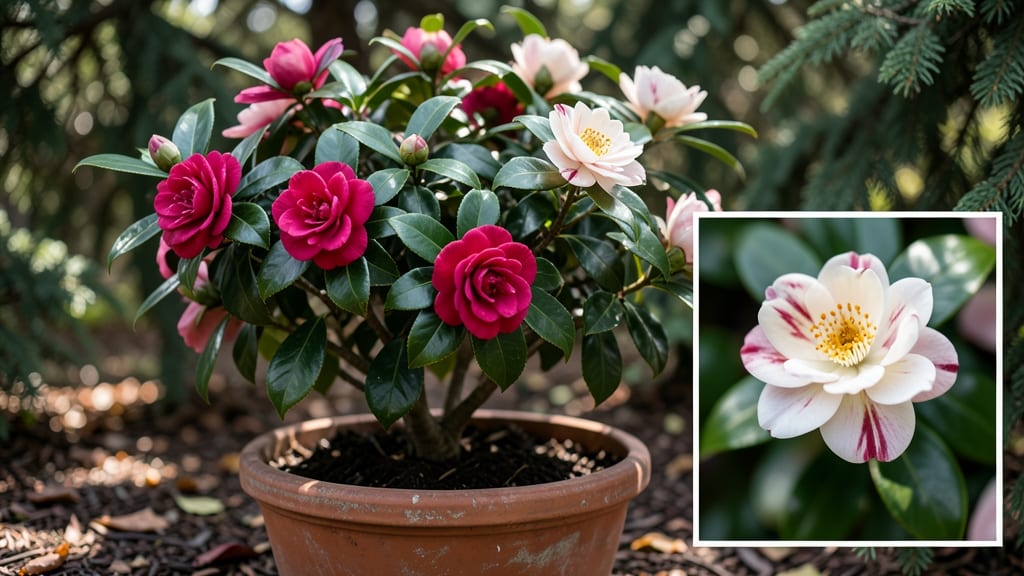
Camellias bloom in North Carolina from late fall through early spring, with timing that shifts dramatically between the coast and the mountains 🌸.
Picture this: your neighbor’s Sasanqua camellias are already bursting into color by November, while your Japonica varieties stubbornly cling to their buds until February. That’s not a mystery—it’s the result of microclimates and the right variety choices.
If you’ve ever missed the peak bloom window, you’re not alone, but the secret to catching them at their best lies in knowing your zone and the right plants for it.
North Carolina’s USDA Zones 6b-8a create a stunning gradient of bloom times, from the coastal plain’s early shows to the Piedmont’s delayed but dramatic displays.
Whether you’re in the humid lowlands or the cooler high country, the right camellia variety can turn your winter garden into a fragrant masterpiece—if you plant it at the right time and give it the care it craves.
In this guide, I’ll break down exactly when to expect blooms in your area, how to extend the season with simple pruning tricks, and which varieties will give you months of color—no matter where you live in the Tar Heel State.
NC camellia bloom seasons by USDA hardiness Zones (6a-8b)
North Carolina’s camellia bloom seasons are as diverse as its landscapes, with USDA Zones 6a-8b offering distinct windows for early, mid, and late-season varieties. In Zone 6a (mountain regions like Asheville), expect shorter bloom windows, while Zone 8b (Coastal Plain) enjoys prolonged displays.
Understanding these patterns helps you select the perfect camellia varieties for your garden’s microclimate.
Most camellias bloom in late winter to early spring, but Sasanqua camellias (hardy to Zone 7) often surprise gardeners with fall blooms from October to December. Meanwhile, Japonica camellias (Zones 7-9) typically shine from January through March.
Coastal areas like Wilmington may see blooms 2-4 weeks earlier than inland Piedmont regions due to milder winters.
Temperature triggers play a critical role: Sasanqua varieties need cool nights (50-60°F) to set buds in summer, while Japonica types require winter chilling (below 45°F for 300-600 hours). In Zone 7a, this often means November to January blooms, while Zone 8a gardeners might see December to February displays.
| USDA Zone | Bloom Window | Key Varieties | Temperature Trigger | Regional Notes |
|---|---|---|---|---|
| 6a (Asheville) | Late Jan–Early Mar | Sasanqua 'Yuletide', Japonica 'Donation' | 300+ chilling hours | Shortest season; protect from late frosts |
| 7a (Piedmont) | Nov–Feb (Sasanqua), Jan–Mar (Japonica) | Sasanqua 'Bonanza', Japonica 'April Trick' | 400+ chilling hours | Fall blooms in mild winters |
| 7b (Raleigh) | Oct–Dec (Sasanqua), Dec–Apr (Japonica) | Sasanqua 'Cuspidata', Japonica 'George Walton' | 500+ chilling hours | Longest continuous bloom |
| 8a (Coastal) | Sep–Nov (Sasanqua), Jan–Apr (Japonica) | Sasanqua 'Shishigashira', Japonica 'Desire' | 600+ chilling hours | Early fall blooms; mild winters |
| 8b (Outer Banks) | Aug–Oct (Sasanqua), Dec–May (Japonica) | Sasanqua 'Kiri Shizuku', Japonica 'Spring’s Promise' | 700+ chilling hours | Year-round potential with right care |
In Zone 6a, where winters are colder, Sasanqua camellias like 'Yuletide' often provide the only winter color, blooming from late January to early March.
These varieties are hardy to 10°F and thrive in partial shade, making them ideal for mountain gardens. Japonica types in this zone may need winter protection like burlap wraps if temperatures dip below 15°F.
Moving to Zone 7a (Piedmont region), you’ll find a longer bloom season thanks to milder winters. Sasanqua varieties like 'Bonanza' often bloom from November through December, while Japonica camellias like 'April Trick' extend the show into March.
The Piedmont’s continental climate creates a distinct fall bloom window that’s less common in coastal areas.
Coastal Zone 8a gardeners enjoy the longest bloom seasons, with Sasanqua camellias often starting as early as September and continuing through November. Varieties like 'Cuspidata' thrive in humid coastal air and sandy soils, while
How to extend camellia blooms in NC: pruning and care tips
Camellias are North Carolina’s winter garden stars, but their bloom windows can feel disappointingly short if you’re not nurturing them properly. The key to longer, more abundant blooms lies in timely pruning, soil management, and watering strategies that align with their natural cycles.
Unlike many plants, camellias bloom on old wood, so aggressive pruning can actually shorten their flowering season. Let’s fix that!
First, let’s tackle the biggest mistake gardeners make: over-fertilizing with high-phosphorus fertilizers in the wrong season. While phosphorus (the middle number in NPK) is crucial for blooms, excessive phosphorus in fall or winter can lead to weak buds and shorter bloom cycles.
Instead, focus on a balanced acidic fertilizer (like 8-4-8) applied in early spring when new growth begins.
- 1 Prune after blooming: Cut back spent blooms and crossing branches in late spring (May-June) to encourage next year’s buds.
- 2 Adjust soil pH: Test your soil—camellias thrive in acidic soil (pH 5.0-6.0). Add sulfur or peat moss if your soil is alkaline.
- 3 Water deeply in winter: 1-2 gallons per plant every 2-3 weeks during dry spells to prevent bud drop.
- 4 Avoid summer pruning: Never trim in summer or early fall—this removes next year’s flower buds that form on old wood.
- 5 Mulch heavily: Apply 3-4 inches of mulch (pine bark or pine straw) to retain moisture and regulate soil temperature.
Your watering schedule plays a surprisingly big role in bloom longevity. Camellias are drought-sensitive during their bloom cycles, so deep, infrequent watering (1-2 gallons per plant every 7-10 days) is better than shallow, frequent watering.
In Zone 7a, where winters can be colder, reduce watering slightly in January-February to let the plant rest, but never let the soil dry out completely.
Another pro tip: Sasanqua camellias (which bloom in fall) and Japonica camellias (which bloom in winter/early spring) have different care needs. For Sasanquas, focus on late summer pruning to shape the plant and remove dead wood—but avoid heavy cuts.
For Japonicas, prune only after blooming to preserve next year’s flower buds.
Finally, watch for bud blast, a common issue in NC where buds drop before opening. This usually happens due to temperature fluctuations, overwatering, or nutrient deficiencies.
If you notice buds swelling then falling, adjust your care: reduce watering slightly, apply a light acidic fertilizer, and protect plants from cold winds with burlap wraps if needed.
With these 5 key strategies, your camellias can bloom 2-3 weeks longer than average, giving you a stunning winter garden that rivals spring blooms. The secret? Patience and precision—camellias reward careful gardeners with months of color instead of just a few fleeting weeks! 🌸