
Blooming
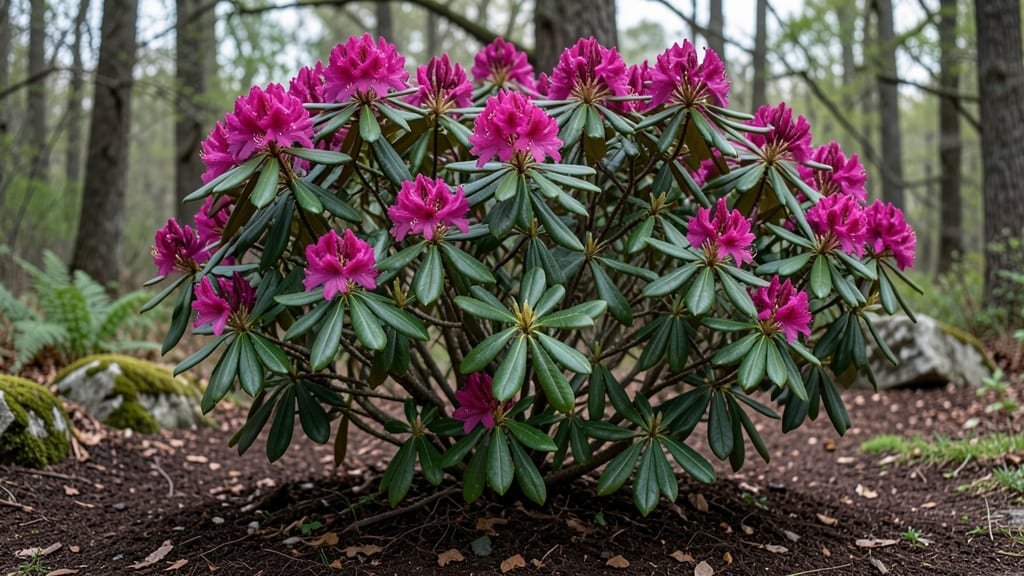
Rhododendrons in North Carolina bloom between late March and early May 🌸, with timing shifting dramatically from the mountains to the coast.
Picture this: one week, your backyard shrubs erupt in color, while a friend in the Piedmont still waits for buds. That’s how much elevation and microclimates matter—higher zones like 6b see blooms by mid-April, while Zone 8a gardens may not peak until May.
Mild winters and early springs can push blooms even earlier, but late frosts in the mountains sometimes delay the show. The key to planning around them? Knowing your zone’s average last frost date and choosing varieties that match your local timing.
Below, I break down the exact bloom windows by region, plus tips to extend your rhododendron’s show—because missing this spring spectacle is no one’s idea of a good time.
NC rhododendron bloom timeline by USDA hardiness zones (6b-8a)
North Carolina’s rhododendrons are a gardener’s dream, but their bloom times vary dramatically across the state’s USDA zones 6b-8a. In the cooler mountain regions (Zone 6b), blooms often appear as early as late March, while coastal areas (Zone 8a) may see flowers as late as May.
Understanding these differences helps you plan visits to state parks or time your own garden care.
Temperature plays a critical role—most rhododendrons need consistent daytime temps above 50°F to trigger blooming. In Western NC, higher elevations can delay blooms by 2-3 weeks compared to Eastern NC lowlands. Even within a single zone, microclimates (like sheltered valleys) can shift bloom windows by 10 days or more.
| Zone | Bloom Window | Temp Trigger | Regional Notes |
|---|---|---|---|
| 6b (Mountains) | Late March - Early May | 50°F+ daytime | Earlier in valleys; late frosts risk |
| 7a (Piedmont) | Mid-April - Late May | 55°F+ consistent | Peak in April; drought delays |
| 7b (Coastal Piedmont) | Early April - Early June | 52°F+ stable | Longer blooms; humid conditions |
| 8a (Coastal) | Mid-April - Late June | 58°F+ minimum | Late bloomers thrive here |
In Zone 6b, early bloomers like Rhododendron catawbiense often push through snow to bloom in late March, while Zone 8a varieties such as Rhododendron 'PJM Elite' may linger until June.
The Asheville area typically sees peak blooms 2 weeks earlier than Raleigh, making timing crucial for garden tours.
For gardeners in Zone 7a, the Piedmont region offers the most reliable April blooms, but late frosts can damage buds. I’ve found that south-facing slopes warm up faster, often triggering blooms 10 days earlier than north-facing sites. Always monitor your local weather forecasts for frost warnings.
If you’re in Zone 8a, expect a more extended show—some varieties bloom in waves, with early flowers fading as new buds open. This prolonged display makes coastal gardens ideal for extended seasonal interest. However, humidity levels can stress plants, so proper mulching is key.
One pro tip: Late-season bloomers in Zone 8a often benefit from light pruning after blooming to encourage next year’s flowers. I’ve seen June blooms in Wilmington gardens that would’ve been missed in cooler zones. Always prune after the final frost date to avoid cutting off next year’s buds.
For Western NC gardeners, elevation matters—Mount Mitchell areas (Zone 6b) may see blooms 3 weeks later than Boone. I recommend planting early bloomers near south-facing walls to capture extra warmth and extend the season. This simple trick can add 2-3 weeks to your bloom time.
Remember that soil acidity (pH 4.5-6.0) and moisture levels also influence timing. Well-mulched plants in Zone 7b often bloom 1-2 weeks earlier than those in dry, exposed sites. Always test your soil before planting—acid-loving rhododendrons thrive with proper pH.
Whether you’re chasing wild rhododendrons in Linville Gorge or tending your backyard shrubs, timing is everything. Mark your calendar for mid-April in most zones—this is when NC’s rhododendron spectacle reaches its peak. With the right variety and care, you could enjoy blooms from March to June!
How to extend rhododendron blooms in North Carolina gardens
Rhododendrons already steal the show with their vibrant spring blooms, but with the right care, you can extend their display by weeks. In North Carolina’s diverse microclimates, timing and technique make all the difference.
Whether you’re in the mountains of Zone 6b or the coastal plains of Zone 8a, these strategies will help your rhododendrons bloom longer and brighter.
Start with proper pruning—the key to encouraging more buds. Prune right after blooming (late May to June) to remove spent flowers and shape the plant. Avoid heavy pruning in fall or winter, as this can stimulate new growth that won’t harden off before frost.
Focus on thinning out crowded branches to improve airflow and light penetration, which reduces disease risk and boosts next year’s buds.
Rhododendrons thrive in acidic soil (pH 4.5-6.0), and soil pH adjustments can dramatically extend bloom time.
Test your soil in early spring—if the pH is above 6.0, amend with sulfur or peat moss to lower it gradually. Organic matter like pine needles or composted leaves also help maintain acidity. A well-fed rhododendron produces more buds and longer-lasting flowers.
⚠️ Common Mistakes That Shorten Bloom Cycles
Over-fertilizing with high-nitrogen products can burn roots and reduce flowering. Stick to balanced, acidic fertilizers like 10-10-10 or slow-release rhododendron blends.
Pruning at the wrong time (e.g., mid-summer or fall) removes next year’s buds. Always prune after blooming to preserve flowering wood.
Ignoring soil moisture—drought stress causes buds to drop prematurely. Mulch with pine bark or wood chips to retain moisture and regulate soil temperature.
Watering plays a critical role in extending blooms. Rhododendrons need consistent moisture, especially during bud formation (late winter to early spring). Water deeply once a week (2-3 gallons per plant) and mulch heavily to lock in moisture.
Avoid overhead watering, which can promote fungal diseases like powdery mildew. Morning watering is ideal—it reduces evaporation and prevents nighttime dampness.
Protect your rhododendrons from late spring frosts, a common issue in North Carolina’s higher elevations (e.g., Asheville, Boone). Use frost cloths or row covers on cold-sensitive varieties like ‘Catawbiense’ or ‘Roseum Elegans’.
Even a single late frost can damage open buds, cutting bloom time short. Plant frost-hardy varieties like ‘PJM’ or ‘Nova Zembla’ in exposed areas for earlier and longer blooms.
Create a microclimate-friendly garden by planting rhododendrons near evergreens or walls that traps heat and extends the growing season. In cooler zones (6b-7a), group plants together to create warmth. Avoid windy spots, which can stress plants and shorten bloom duration.
With these simple adjustments, your rhododendrons will bloom like never before—turning your NC garden into a year-round spectacle.